
Even though India has almost no active domestic gold production today, with the once-famous Kolar Gold Fields now largely a part of history, the country continues to rank as the world’s second-largest consumer of gold. To meet this massive demand, India imports nearly 700–800 tonnes of gold annually, placing a considerable burden on the national economy.
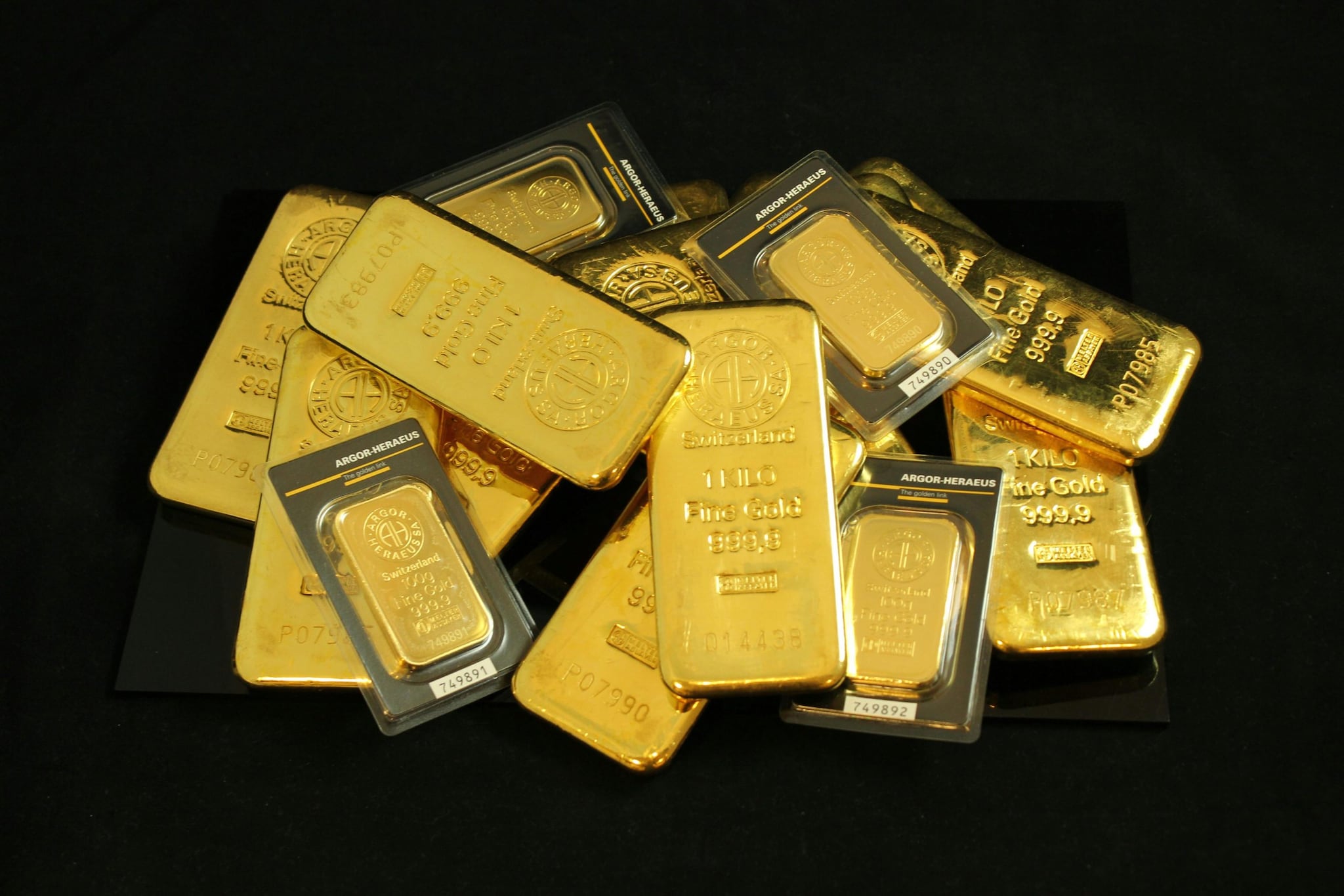
The reasons behind this massive appetite are a complex blend of tradition, economics, and psychology.

In India, gold is synonymous with weddings. It is estimated that wedding-related purchases account for nearly 50% of the annual gold demand. No Indian wedding, regardless of the family’s economic status, is considered complete without gold jewellery. It serves as Sreedhan—a form of financial security for the bride.
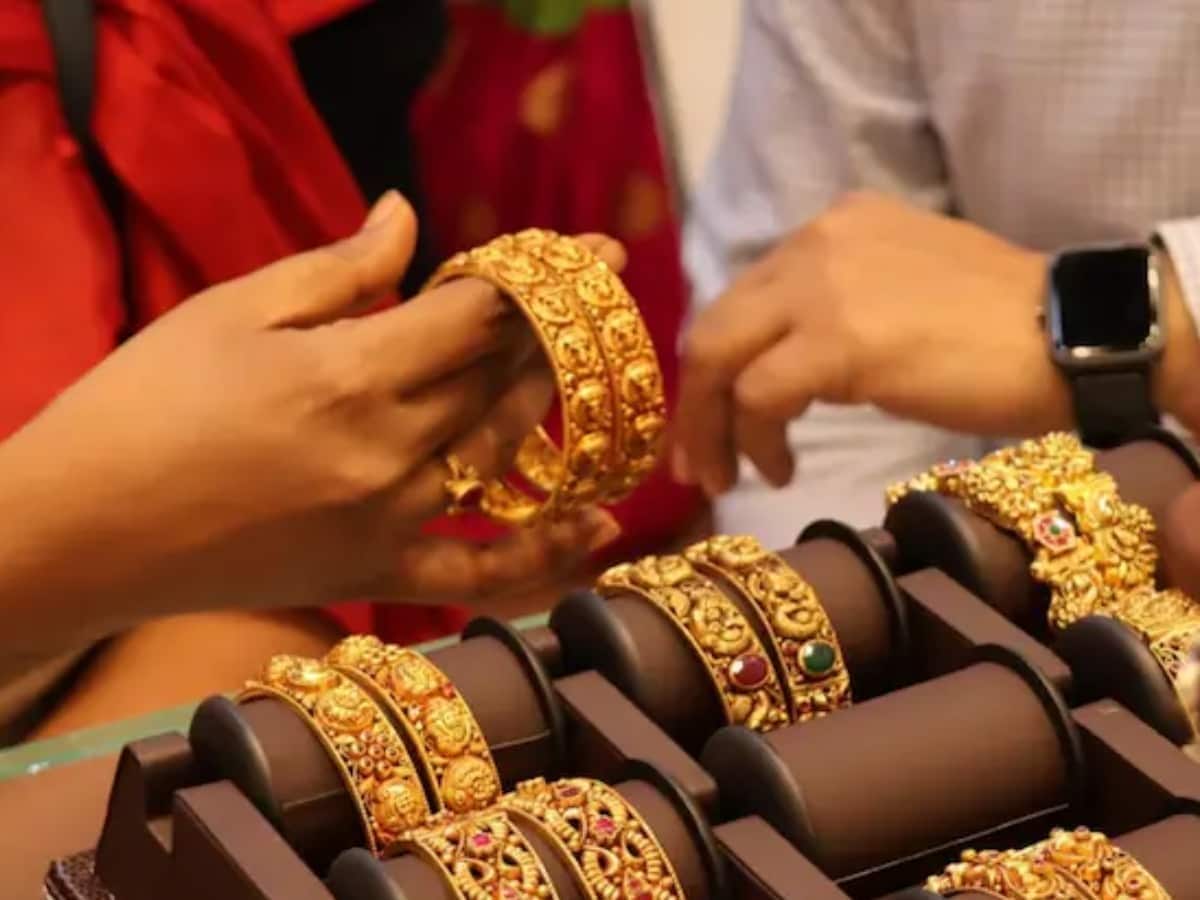
Beyond weddings, festivals like Dhanteras and Akshaya Tritiya are specifically dedicated to buying gold, as it is considered auspicious and a way to invite Goddess Lakshmi into the home.

Reportedly, a significant portion of India’s gold demand comes from rural areas, where access to formal banking can be limited. For a farmer, gold is a liquid asset. It is easier to walk into a local jeweller and pawn a gold chain for an emergency loan than to navigate the paperwork of a bank. This portable wealth provides a sense of security that paper currency or digital numbers cannot match.
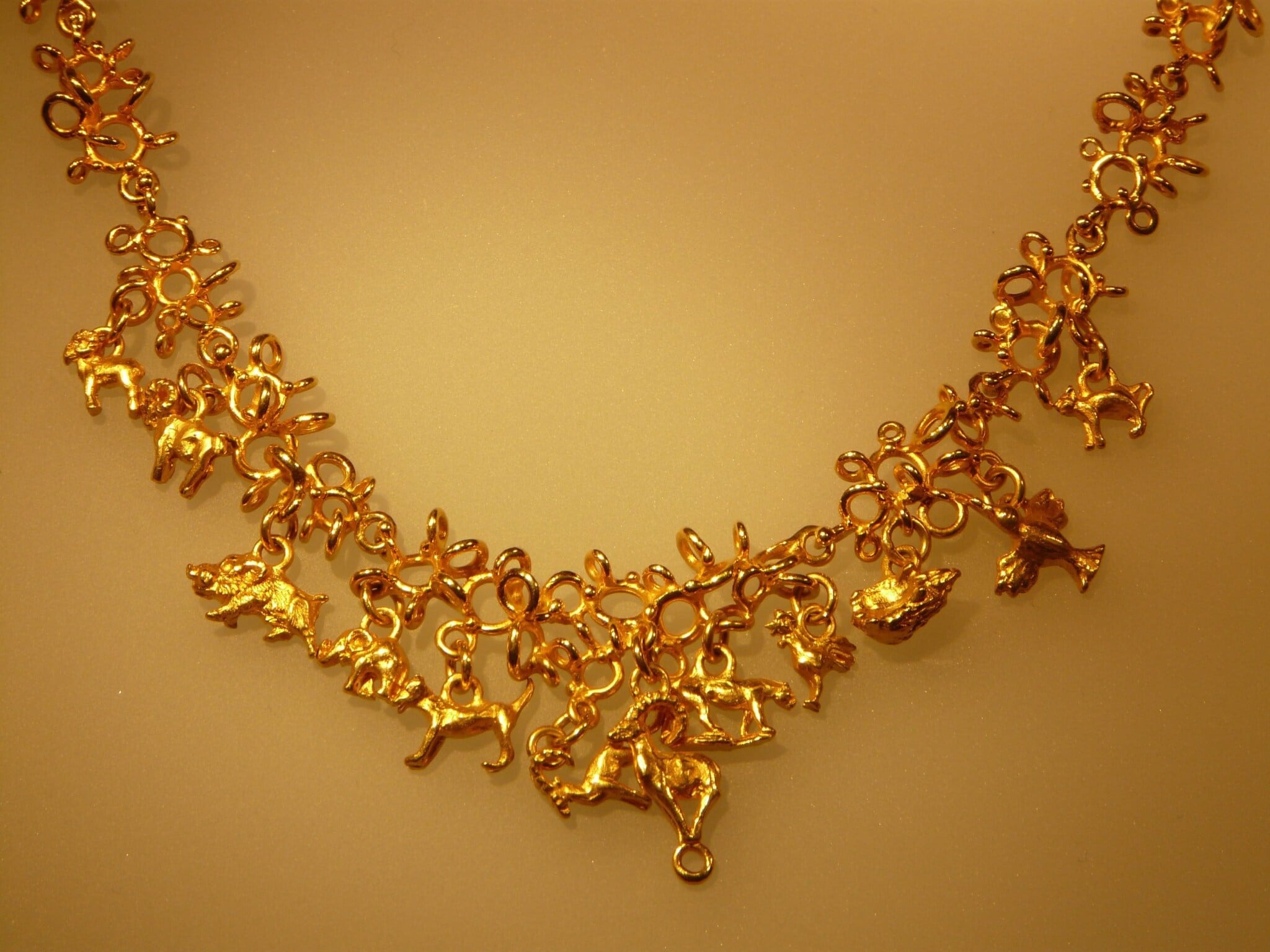
Additionally, gold is perceived as a safe haven asset. When the value of the currency drops, the price of gold typically rises, protecting the buyer’s purchasing power. For many Indian households, gold is not an expense but a long-term investment that has consistently outperformed many other asset classes over decades.

While individuals love gold, the Indian government views it with caution as India produces almost no gold, and every gram must be bought using US Dollars. This creates several macroeconomic challenges:
– Trade Deficit: Gold is often the second-largest item on India’s import bill, after crude oil. In the 2025-26 fiscal year, gold imports reached an all-time high of approximately $72 billion.
– Current Account Deficit (CAD): Massive gold imports mean more money flowing out of the country than coming in, which can weaken the Rupee.
– Idle Wealth: Most gold in India is kept in lockers or worn as jewellery. This is “dead capital” because it doesn’t circulate in the economy to fund infrastructure, schools, or businesses.
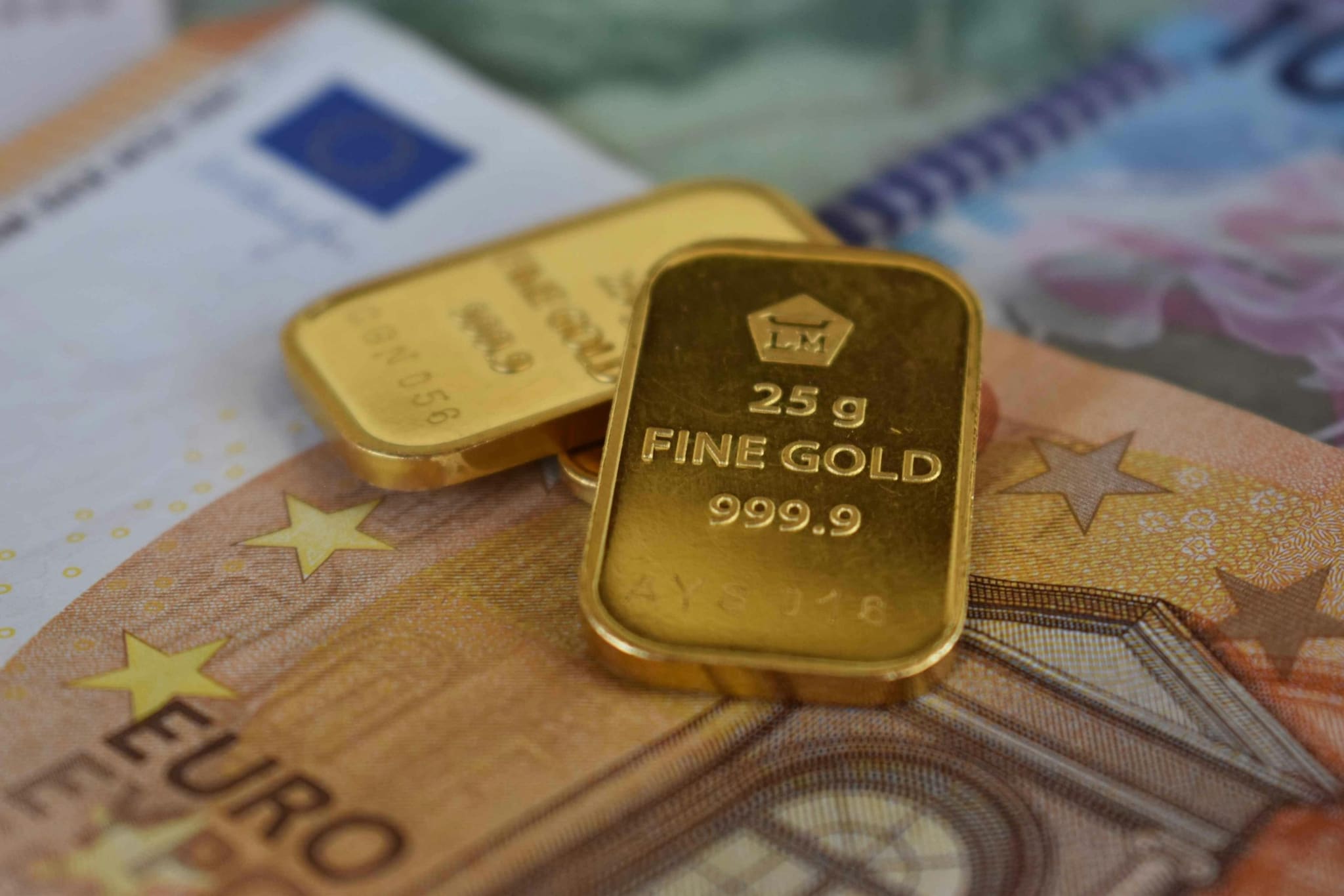
To reduce the reliance on physical imports, the government and the Reserve Bank of India (RBI) have introduced several schemes:
– Sovereign Gold Bonds (SGBs): Allowing people to invest in gold on paper, earning interest without needing to store physical metal.
– Gold Monetization Scheme: Encouraging households to deposit their “idle” gold in banks to earn interest, allowing the government to recycle that gold and reduce fresh imports.
– Import Duties: The government frequently adjusts import taxes (which fluctuated between 6% and 15% in recent years) to discourage excessive buying and curb smuggling.

Gold remains deeply rooted in India’s culture and sense of financial security. Despite government efforts to promote digital and paper gold investments, demand for physical gold continues to stay strong. With limited domestic mining potential, India will remain dependent on costly gold imports from countries like Switzerland and the UAE.
Source link
[ad_3]

