
Dairy is a regular part of many Indian and global diets, from milk in our tea to curd and cheese on our plates. But with more people talking about lactose sensitivity, gut health and plant-based eating, cutting out dairy has become a common experiment. On World Health Day, it’s worth asking what really happens when you stop eating dairy, even for a short time. Is your body better off without it, or does it miss the nutrients? Experts say the changes can vary from person to person. Here’s a closer look at what two dairy-free weeks may do to your body.
Going Dairy-Free For Two Weeks: What Changes Can You Expect?
1. You may feel less bloated or uncomfortable
For people who are lactose intolerant or sensitive, avoiding dairy often leads to reduced bloating, gas and stomach discomfort. According to the National Institute of Diabetes and Digestive and Kidney Diseases (NIDDK), lactose intolerance can cause digestive symptoms when the body is unable to break down lactose properly. When dairy is removed, the gut gets a break from this difficult-to-digest sugar.
Also Read: Here’s What Drinking A Glass Of Milk Every Night Before Bed Will Do To You…
2. Your calcium intake may drop if you are not careful
Dairy is one of the richest sources of easily absorbed calcium. The NIH Office of Dietary Supplements highlights that calcium is essential for bone strength, muscle movement and nerve function. When dairy is removed without suitable replacements, calcium intake can fall quickly. Nutritionist Rupali Datta has often stressed that people cutting out dairy should consciously include foods like sesame seeds, almonds, tofu, ragi and leafy greens.
3. You might notice changes in gut bacteria
Research published in nutrition journals shows that fermented dairy products like yoghurt support beneficial gut bacteria. Cutting dairy may temporarily reduce these bacteria, especially if no probiotic foods are added. Some people feel better, while others may experience subtle digestion changes. Replacing dairy yoghurt with fermented plant foods or plant-based probiotics can help maintain gut balance.

Photo Credit: iStock
4. Your vitamin D levels may need attention
Many dairy products are fortified with vitamin D, which helps the body absorb calcium effectively. According to NIH reviews, low vitamin D intake can affect bone health over time. While two weeks isn’t enough to cause deficiency, consistently avoiding dairy without other vitamin D sources can lead to problems. Sunlight, fortified plant milk and supplements become more important during a dairy-free phase.
Also Read: Bone-Health: 5 Dairy Products That May Help Lowers Risk Of Fractures In Older Adults
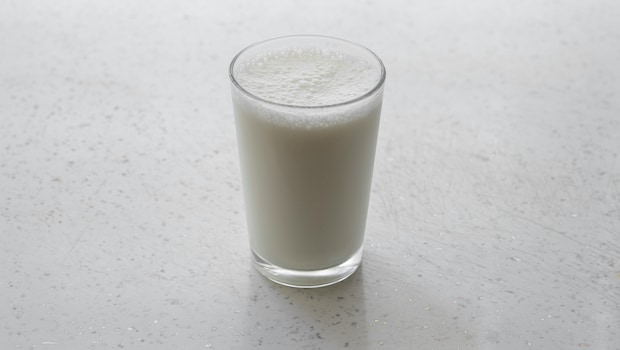
Photo Credit: Unsplash
5. Your skin may improve – but not for everyone
Some observational studies suggest a link between high dairy intake and acne in certain individuals, though results are mixed. For some people, skipping dairy for two weeks may result in fewer breakouts or reduced inflammation. Others see no difference at all. Nutrition expert Anju Sood has previously noted that skin changes depend on hormones, overall diet and hydration, not just one food group.
Avoiding dairy for two weeks may feel refreshing for some and challenging for others. The key is not whether you eat dairy, but whether your overall diet meets your body’s needs.
Source link
[ad_3]

