
Paneer is often seen as a go-to vegetarian protein source, whether it is added to curries, salads or snacks. But what many people do not realise is that the way paneer is prepared, stored and cooked can affect how much protein your body actually gets from it. While paneer itself is naturally rich in protein, certain everyday kitchen habits can dilute its nutritional value or interfere with how well it is utilised. If you are relying on paneer as a regular part of your diet, some small mistakes can make a difference over time. Let’s find out what you should avoid to get the most out of your paneer.
Also Read: Sattu Is Luke Coutinho’s Favourite Summer Drink, See His Buttermilk Recipe
Here Are Some Common Mistakes That Reduce The Protein Content Of Paneer
Photo: Unsplash
1. Overcooking Paneer At High Heat
High‑heat cooking alters the structure of milk proteins, especially whey proteins, and can affect how they behave during digestion. A comprehensive review in the International Dairy Journal shows that intense heat leads to protein aggregation, which can reduce protein digestibility depending on temperature and duration. Further explanation from the California Dairy Research Foundation confirms that while heat does not destroy protein outright, excessive heating changes protein structure and digestion behaviour, supporting the advice to cook paneer gently.
2. Frying Paneer Deep In Oil
Deep-frying paneer may make it crispy and delicious, but it significantly increases fat content and calories. This can dilute the overall protein-to-calorie ratio of the dish. In simpler terms, you are still getting protein, but along with excess fat that may not align with your health goals. Opting for grilling, air-frying or shallow sautéing is a better way to keep the dish balanced.
3. Using Low-Quality Or Highly Processed Paneer
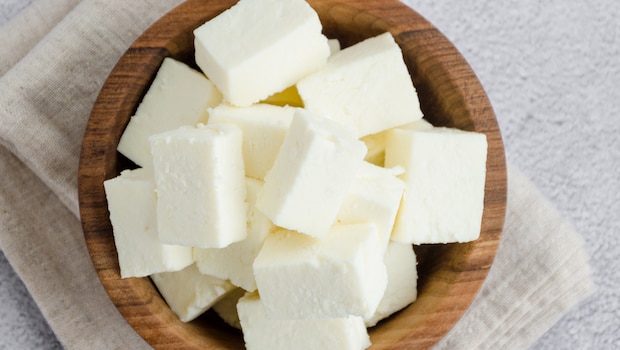
Not all paneer is the same. Packaged or processed paneer may sometimes contain additives or lower milk solids, which can slightly affect its protein content. Fresh, homemade paneer or high-quality store-bought versions generally offer better nutritional value. Checking labels and choosing minimally processed options can help ensure you are actually getting the protein you expect.
4. Pairing It Only With Refined Carbs
While refined carbs do not “remove” protein, research shows that meals dominated by refined carbohydrates lead to faster hunger and poorer satiety, reducing the practical value of the protein consumed. A Nature Medicine study demonstrated that refined carb‑heavy meals cause sharp glucose spikes, whereas meals balanced with protein and fibre improve metabolic stability and fullness. Additionally, dietary reviews linked refined carbohydrates to impaired satiety signalling, making high‑protein foods less effective when poorly paired.
5. Storing Paneer Improperly
Improper storage can affect both the quality and safety of paneer. Leaving it uncovered, storing it for too long or exposing it to fluctuating temperatures can lead to spoilage and nutrient loss. Fresh paneer should be stored in water in the refrigerator and consumed within a couple of days. Good storage practices help maintain both texture and nutritional integrity.
Also Read: Pressure Cooking Is Quick And Convenient. But Does It Keep Your Food Nutritious?
How Much Paneer Should You Eat For Optimal Protein Intake?
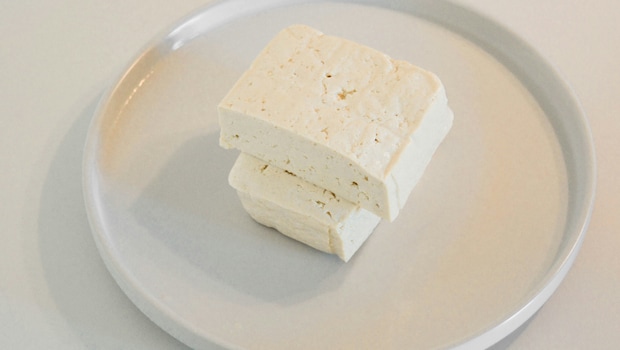
Photo: Unsplash
Paneer provides high‑quality dairy protein, but studies show that the body can effectively use only a limited amount per meal. An open‑access randomized controlled trial published in The American Journal of Clinical Nutrition found that consuming 30 grams of protein was sufficient to maximise muscle protein synthesis, with higher intakes offering no additional benefit.
Since paneer contains about 18-20 g of protein per 100 g, a serving of 100-150 g is adequate to reach this threshold. Larger portions may add calories without improving protein utilisation. Spreading paneer intake across meals supports better absorption and overall nutrition.
So, if you rely on paneer for your protein intake, avoid these mistakes and nourish your health in the right way.
Source link
[ad_3]

