
Before cold drinks came in cans and bottles, before the refrigerator became a household item, and long before energy drinks arrived to confuse everyone, India had sherbet. The word itself comes from the Arabic shariba, meaning “to drink,” and the tradition of making fruit, flower, and herb-based cooling syrups has been part of Indian summer life for centuries, from the Mughal courts of Delhi to the homes of Tamil Nadu to the coastal kitchens of Maharashtra. A good sherbet is not just sweet water with colour added. It is a concentrated syrup of something real, rose petals, raw mango, kokum, vetiver, tamarind, that you dilute to a glass of pure, cooling relief.
Also Read: Radhikka Madan’s Unique Chaas Ice Cubes Are A Must-Try This Summer
Here Are Ten Sherbet Recipes Perfect For Summer
1. Rose Sherbet (Gulab Sharbat)
Photo Credit: iStock
The most iconic Indian sherbet, and for good reason. The floral sweetness of rose water combined with sugar makes a syrup that works beautifully in cold water, milk, or lassi. It is the foundation of dozens of Indian summer drinks.
Ingredients
- 2 cups sugar
- 1 cup water
- 4 tablespoons rose water (or use 2 handfuls of fresh red rose petals, washed)
- A few drops of natural red food colour (optional)
- ½ teaspoon citric acid or 1 tablespoon lemon juice
Method: Combine sugar and water in a saucepan on medium heat. Stir until the sugar dissolves, then bring to a gentle boil and simmer for five minutes. Remove from heat, add rose water and citric acid, stir well, and cool completely. If using fresh rose petals, steep them in the hot syrup for twenty minutes before straining. Store in a clean glass bottle in the refrigerator for up to three weeks. To serve, mix two tablespoons of syrup per glass of cold water and ice.
2. Aam Ka Panna (Raw Mango Sherbet)
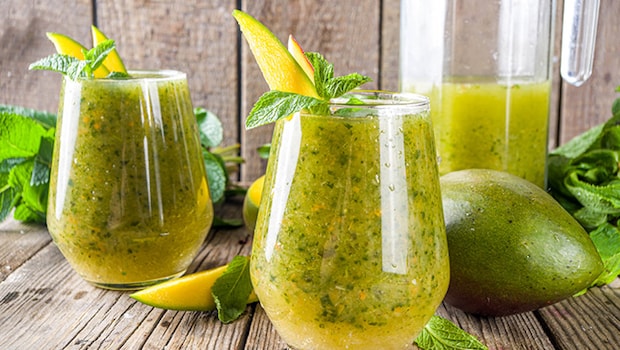
One of the most functional sherbets in India, raw mango is naturally high in vitamin C and electrolytes, making aam panna a genuinely cooling and restorative summer drink rather than just a sweet one.
Ingredients
- 2 medium raw mangoes, firm and sour
- 4 tablespoons sugar or jaggery (adjust to taste)
- 1 teaspoon roasted cumin powder
- 1 teaspoon black salt
- ½ teaspoon regular salt
- A handful of fresh mint leaves
- Cold water and ice, to serve
Method: Pressure cook or boil the whole raw mangoes until soft (two whistles or fifteen minutes). Once cool, peel and scoop out the pulp. Blend the pulp with mint, jaggery, cumin, black salt, and regular salt into a smooth concentrate. Refrigerate this concentrate for up to five days. To serve, mix two to three tablespoons of concentrate per glass of cold water, stir well, and add ice.
3. Sol Kadhi Sherbet (Kokum Sherbet)

Kokum is a sour, deep-purple fruit from the Konkan coast that makes one of the most effective cooling sherbets in Indian tradition. It is naturally cooling, excellent for digestion, and has a beautiful colour that needs no artificial enhancement.
Ingredients
- 10 to 12 dried kokum pieces
- 3 tablespoons sugar
- ½ teaspoon roasted cumin powder
- A pinch of black salt
- Salt to taste
- Cold water, to serve
Method: Soak the kokum pieces in one cup of warm water for thirty minutes, rubbing and squeezing to extract the colour and flavour. Strain the deep pink liquid and discard the spent kokum. Mix in sugar, cumin powder, black salt, and regular salt, stirring until the sugar dissolves. Refrigerate the concentrate and dilute two tablespoons per glass of cold water to serve. Can also be mixed with coconut milk for a Solkadhi-style drink.
4. Nannari Sherbet
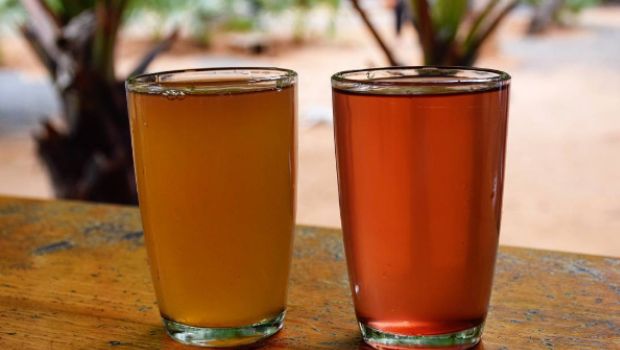
Nannari (also called sarasaparilla or Indian sarsaparilla) is a root from South India with a distinctive earthy-sweet fragrance that is entirely unlike any other sherbet flavour. In Tamil Nadu and Andhra Pradesh, nannari sherbet is one of the most beloved summer drinks.
Ingredients
- 4 tablespoons nannari syrup (available ready-made at South Indian grocery stores)
- Juice of half a lime
- A pinch of black salt
- Cold water and ice, to serve
- 1 tablespoon soaked sabja seeds (optional)
Method: Mix nannari syrup with cold water (roughly 4 tablespoons per 250ml), lime juice, and black salt. Stir well and taste, add more syrup or lime to balance. Pour over ice and add swelled sabja seeds if using. If making from scratch, nannari roots can be dried and boiled with sugar to make a homemade syrup, but the store-bought version is reliable and widely available.
5. Tamarind Sherbet (Imli Ka Sharbat)

Tamarind sherbet is everything you want from a summer drink: tangy, sweet, slightly spiced, and deeply cooling. It is the liquid version of imli chutney, and it is addictive.
Ingredients
- 3 tablespoons tamarind pulp (soaked in warm water and strained)
- 3 tablespoons sugar or jaggery
- ½ teaspoon roasted cumin powder
- ½ teaspoon chaat masala
- ¼ teaspoon black salt
- Salt to taste
- Cold water, mint, and ice to serve
Method: Dissolve sugar or jaggery into the strained tamarind liquid. Add all the spices and mix well. Taste and adjust the balance of sweet and sour. Refrigerate the concentrate. To serve, dilute two tablespoons per glass of cold water and add a sprig of mint and ice.
Also Read: Which State Is Known As The Rice Capital Of India?
6. Khus Sharbat
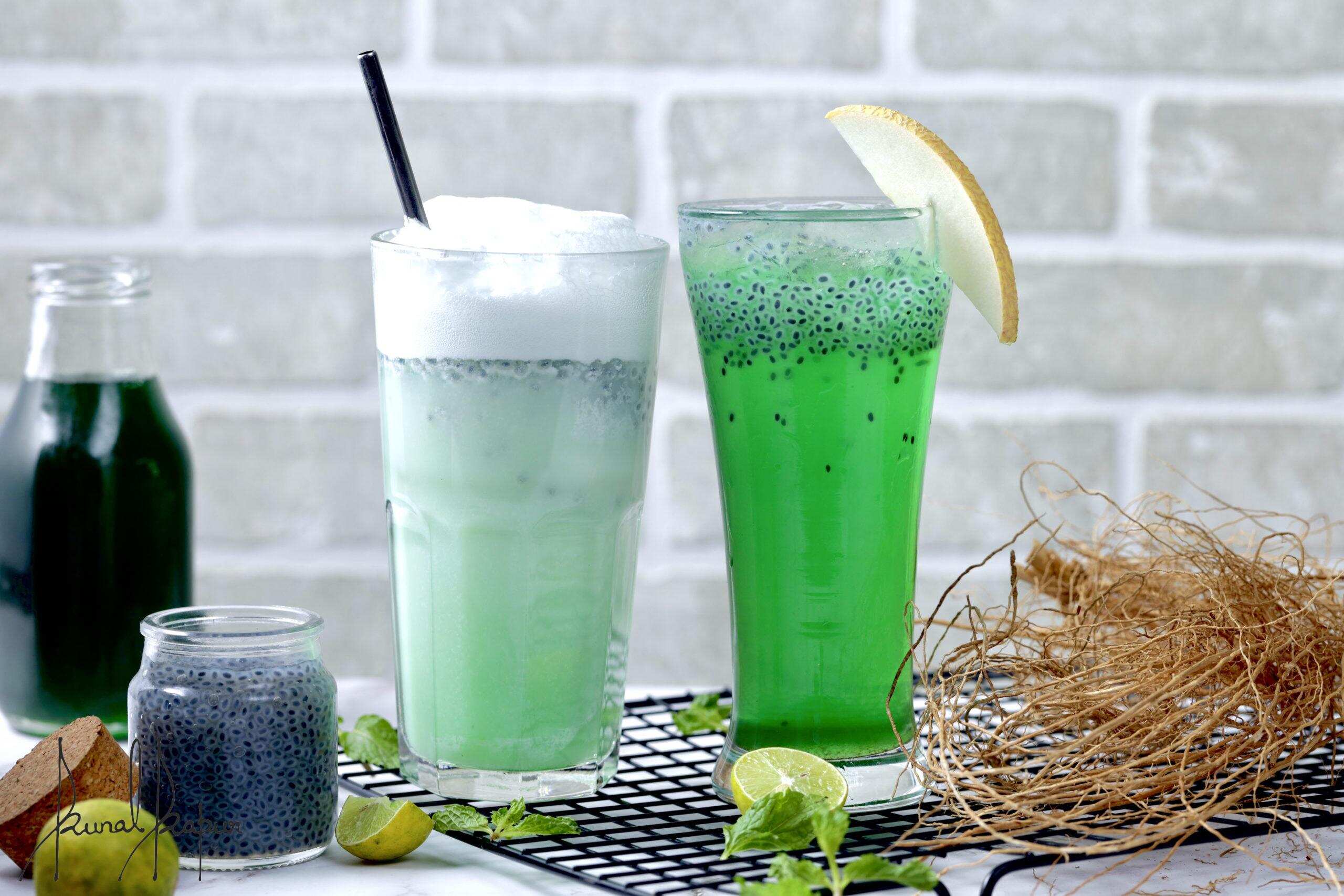
Khus (vetiver) is one of the most classically Indian summer sherbets, with a grassy, slightly musky, cooling flavour that is completely unlike anything else. The Mughal courts served it with crushed ice, and it remains one of the most distinctive summer sherbets in North India.
Ingredients
- 4 tablespoons khus syrup (available ready-made in bottles, Rooh Afza’s khus variant or dedicated khus syrup)
- Juice of half a lime
- A few mint leaves
- Cold water and ice
Method: Mix khus syrup with cold water (approximately 4 tablespoons per glass), lime juice, and mint. Stir and serve over ice. For a homemade version, vetiver roots can be soaked in water overnight, strained, and then cooked with sugar to make a pale green syrup. The store-bought version is perfectly good and widely available.
7. Bel Sherbet (Wood Apple Sherbet)
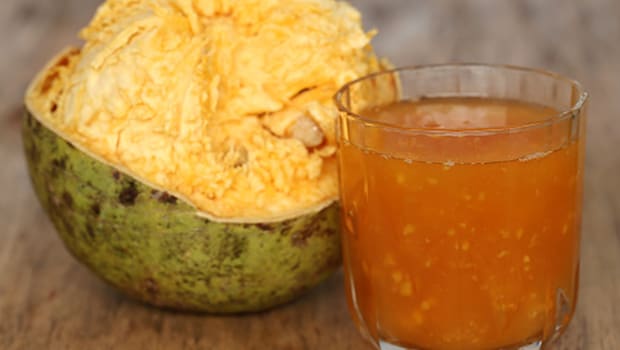
Bel, also called wood apple, is a hard-shelled fruit associated with Lord Shiva and sold at temple entrances across India in summer. The sticky, fragrant pulp inside makes one of the most nourishing and cooling sherbets available.
Ingredients
- 1 medium bel fruit
- 3 tablespoons jaggery or sugar
- 1 teaspoon roasted cumin powder
- Black salt and regular salt to taste
- Cold water and ice
Method: Crack the bel shell and scoop out the pulp. Mash thoroughly with a cup of water, then strain through a sieve, pressing to extract all the liquid. Mix the strained liquid with jaggery, cumin, black salt, and regular salt. Add cold water to the desired consistency and serve over ice. Bel sherbet has a natural sweetness and a faintly caramel-like flavour that needs very little additional sweetening.
8. Watermelon and Mint Sherbet
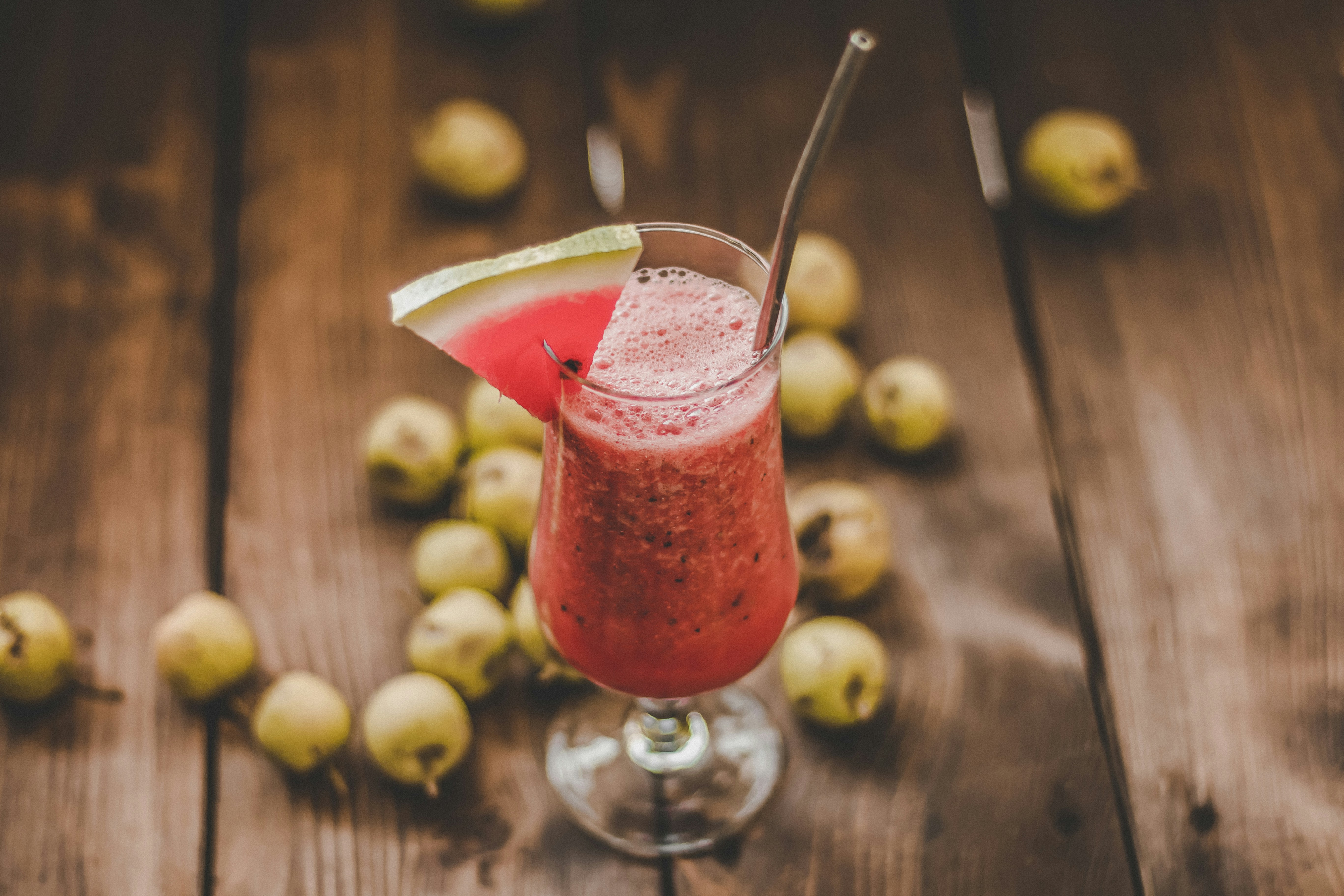
This one requires no cooking, which is a blessing when it is forty degrees outside. Fresh watermelon with mint and a little kala namak is as refreshing as anything you will drink this summer.
Ingredients
- 3 cups seedless watermelon, cut into chunks
- A handful of fresh mint leaves
- Juice of 1 lime
- ½ teaspoon black salt
- 1 teaspoon sugar (optional, ripe watermelon may not need it)
- Ice and extra mint, to serve
Method: Blend watermelon chunks with mint, lime juice, black salt, and sugar until smooth. Strain through a sieve if you want a cleaner, thinner drink, or serve as-is for more body. Pour over ice and top with a sprig of mint. Serve immediately, this one does not store well as the colour oxidises.
9. Hibiscus Sherbet (Gongura Sharbat)

Hibiscus flowers, called gongura in Telugu-speaking regions, make a deeply crimson, vibrantly tangy sherbet that is fashionable internationally as agua de jamaica but has been part of Indian cooking, particularly in Andhra Pradesh, for much longer.
Ingredients
- 15 to 20 dried hibiscus flowers (available at spice shops and online)
- 3 tablespoons sugar
- 1 teaspoon lemon juice
- A small piece of ginger (optional, for warmth)
- Cold water and ice
Method: Bring one cup of water to a boil. Add the dried hibiscus flowers and ginger, and let steep off the heat for fifteen minutes. Strain and discard the flowers. Add sugar and lemon juice to the hot liquid and stir until dissolved. Cool completely before refrigerating. This concentrate keeps for a week. To serve, dilute two to three tablespoons per glass of cold water. The colour is extraordinary, a deep garnet red that needs nothing added to it.
10. Nimbu Shikanjavi (Spiced Lemonade Sherbet)
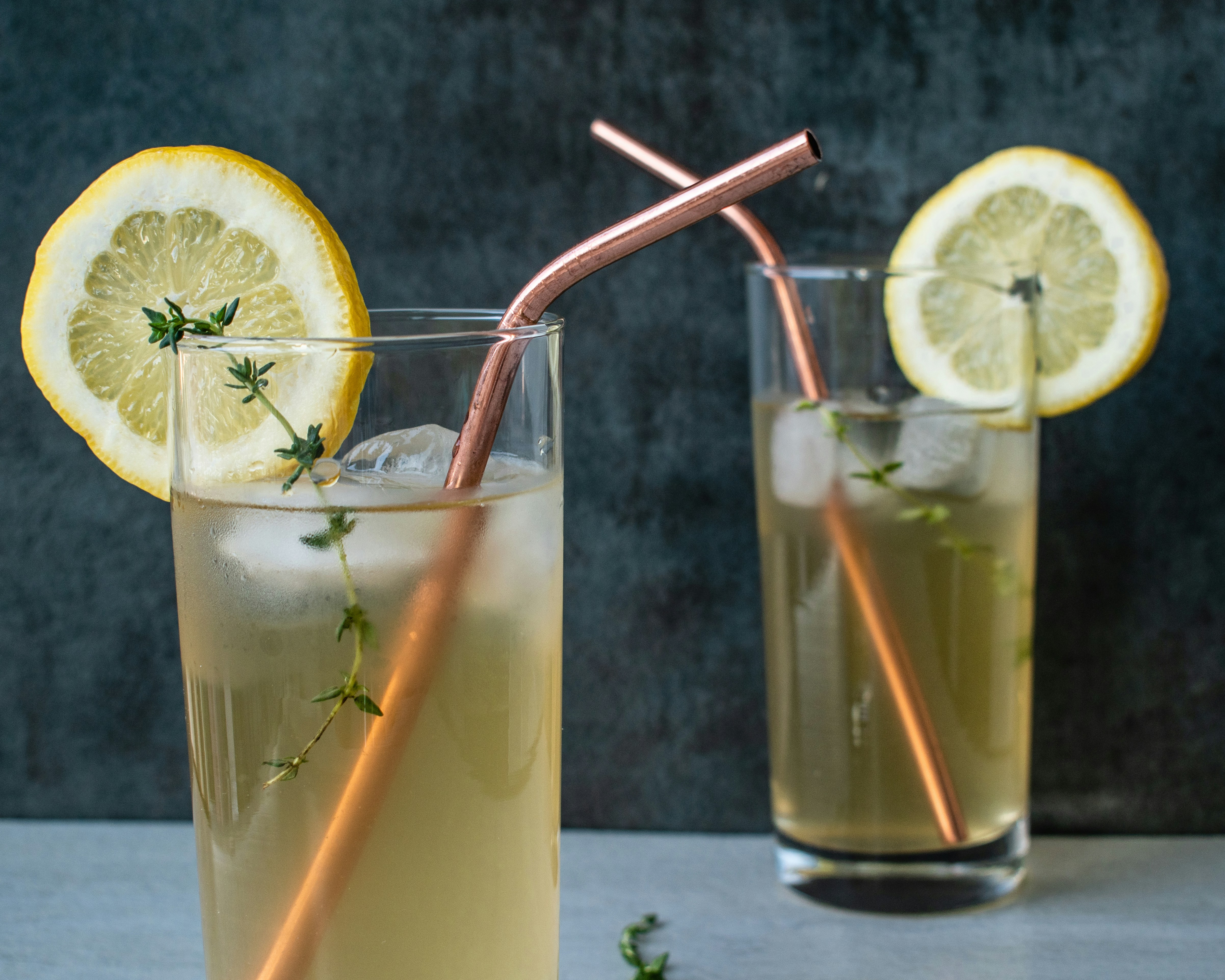
Technically, the oldest and most democratic sherbet on this list. Every region of India has its own version, but the North Indian shikanjavi, nimbu pani taken up a level with black salt, roasted cumin, and sometimes ginger, is the one most Indians think of first when the summer heat peaks.
Ingredients
- Juice of 2 large lemons
- 1½ tablespoons sugar
- ½ teaspoon black salt
- ¼ teaspoon roasted cumin powder
- A pinch of regular salt
- A small piece of ginger, grated (optional)
- Cold water and ice, to serve
- Fresh mint and lemon slices, to garnish
Method: Mix lemon juice, sugar, black salt, cumin, regular salt, and grated ginger together in a glass. Stir until the sugar dissolves. Add cold water to taste (typically about 250ml per serving) and fill with ice. Taste and adjust the sweet-sour balance. Garnish with mint and a lemon slice and serve immediately. For a batch, make a concentrate with the lemon juice and seasonings, refrigerate, and dilute to order.
Also Read: 6 Creative Ways To Use Podi Masala Beyond Idli And Dosa
Cooling Down For The Summer
These ten sherbets are not just recipes; they are summer rituals. They represent the collective knowledge of generations of people who understood that the best antidote to Indian summer heat is not something artificial but something made from the land: a sour fruit, a fragrant root, a handful of dried petals, a squeeze of citrus. Most take less than fifteen minutes to put together, and most of the concentrates keep well in the fridge for up to a week, which means one small effort on a Sunday can keep you cool all week. There is no better time than right now to start.
Source link
[ad_3]

