
Grocery Store Shock: This is usually where you feel inflation first. You go to the store with your usual budget, but your cart looks significantly emptier. Inflation hits “staples” like bread, milk, and eggs particularly hard. You might also notice Shrinkflation, where the price of your favourite cereal stays the same, but the box suddenly contains two ounces less than it did last month.
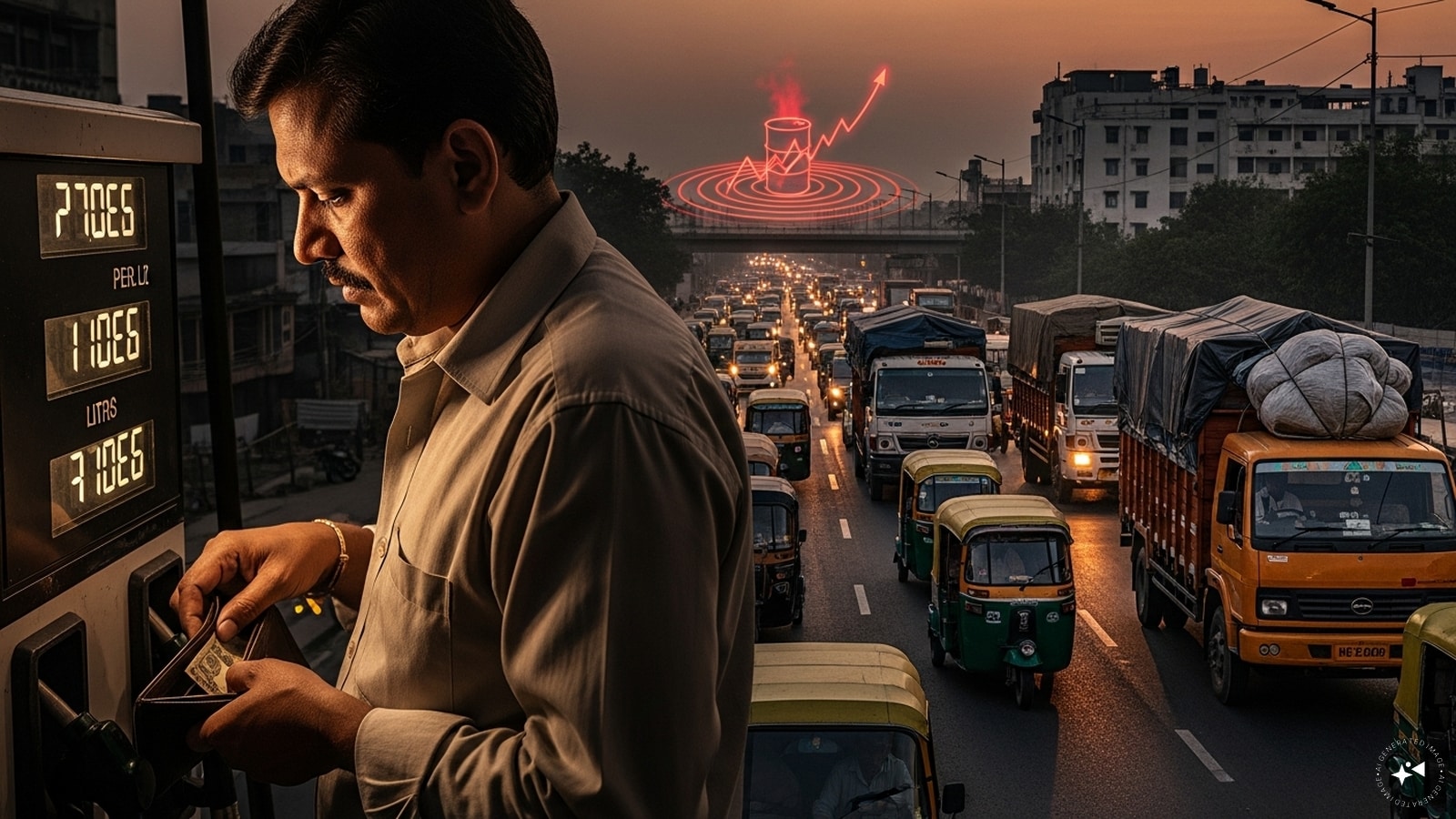
Energy Prices: Energy prices are highly sensitive to inflation. When the cost of crude oil rises, it ripples through the economy. Not only does it cost more to fill your tank, but it also costs more for companies to ship products to stores. Those increased shipping costs are almost always passed down to you, the consumer.

Housing Hurdle: Inflation and housing are deeply linked. As the cost of building materials (like lumber and steel) goes up, new homes become more expensive. This often pushes more people into the rental market, driving up demand and allowing landlords to raise rents. If you’re looking to buy, inflation often leads to higher interest rates, making your monthly mortgage payment much heavier.
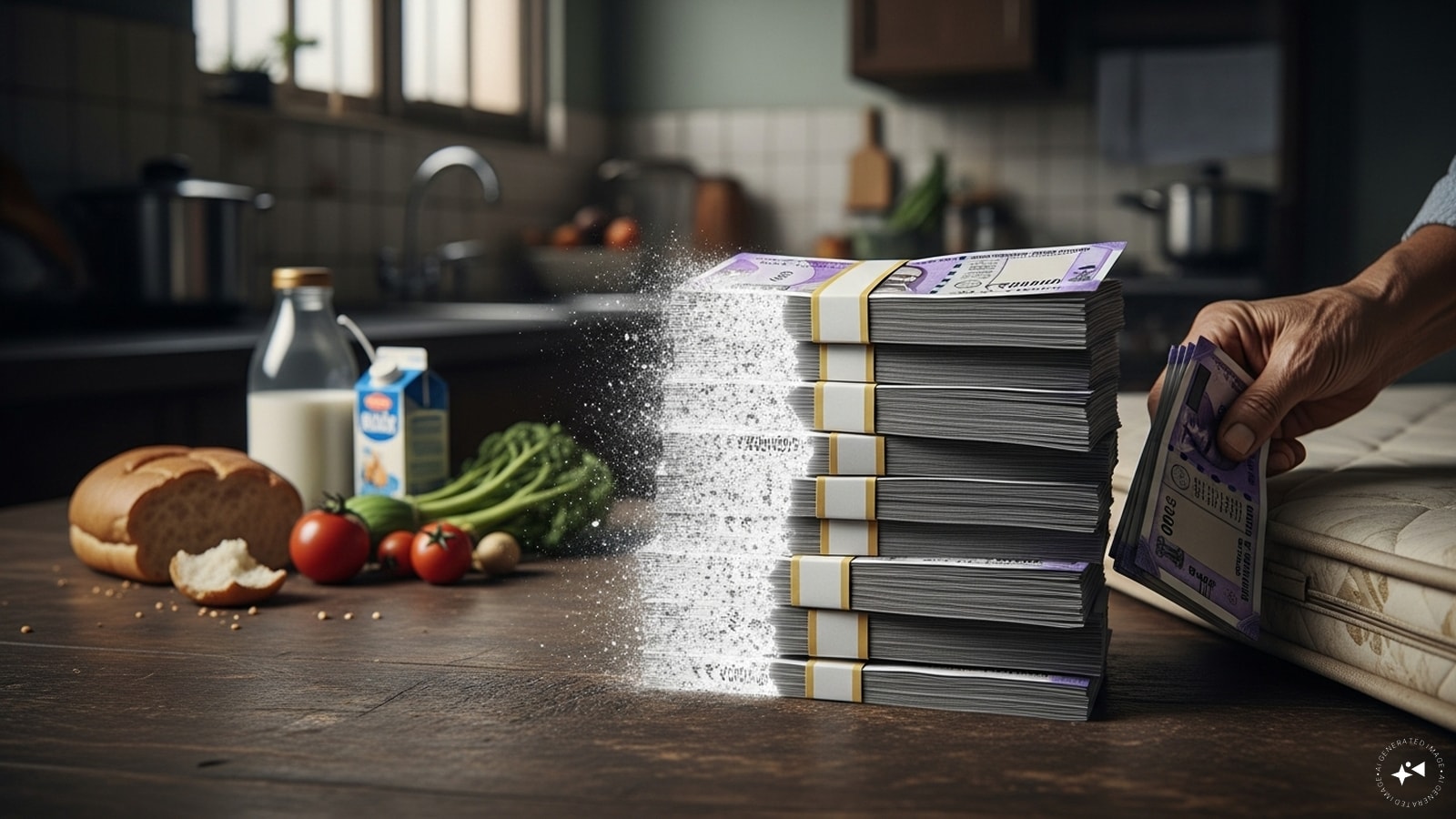
Shrinking Saving: This is the “invisible” sting. If you have Rs 10,000,00 sitting in a standard savings account earning 0.5% interest, but inflation is running at 5%, your money is technically losing value. While the number in your bank account stays the same, that money will buy 4.5% fewer goods and services a year from now. It essentially punishes those who keep their cash “under the mattress.”

Downgrading Lifestyle: When prices rise faster than wages, people start making trade-offs. This is often called Substitution. Instead of buying name-brand coffee, you switch to the store brand. Instead of eating out twice a week, you meal prep. While these are smart financial moves, they represent a tangible dip in your daily quality of life.

Taxes: Inflation can sometimes land you in a higher tax bracket without you actually being “richer.” If your boss gives you a 5% raise to match 5% inflation, your standard of living hasn’t changed—you’re just breaking even. However, that higher salary might push you into a higher tax percentage, meaning the government takes a larger slice of your “cost-of-living” adjustment.

Credit Card And Debt Pressure: To fight high inflation, central banks often raise interest rates. If you carry a balance on a credit card or have a variable-rate loan, your interest payments will spike. Suddenly, the debt you’ve been carrying becomes much more expensive to maintain, leaving you with even less disposable income at the end of the month.
Source link
[ad_3]

