
- Hindi News
- National
- Joint Parliamentary Committee On ‘One Nation One Election’ In Gandhinagar
Gandhinagar49 minutes ago
- copy link
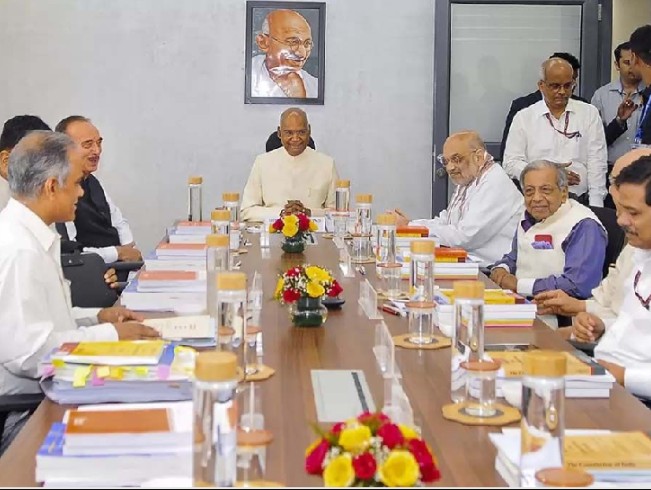
JPC members met top officials of the state including Gujarat CM Bhupendra Patel on Tuesday.
The Joint Parliamentary Committee formed on the issue of One Nation-One Election has started visiting various states and consulting political parties and officials. 39 members of the committee are on Gujarat tour for three days from Tuesday.
JPC members met Gujarat CM Bhupendra Patel and top officials of the state on Tuesday evening. Today the committee has called all the political parties to Gandhinagar to present their views.
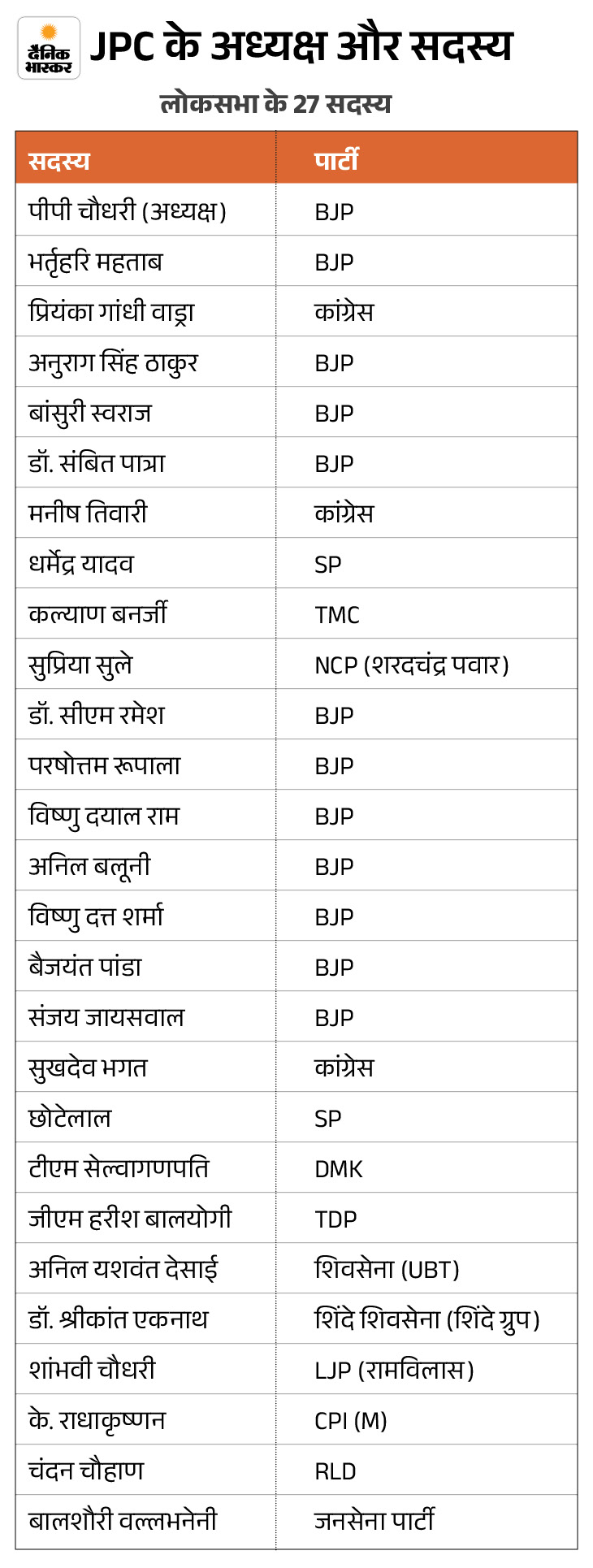
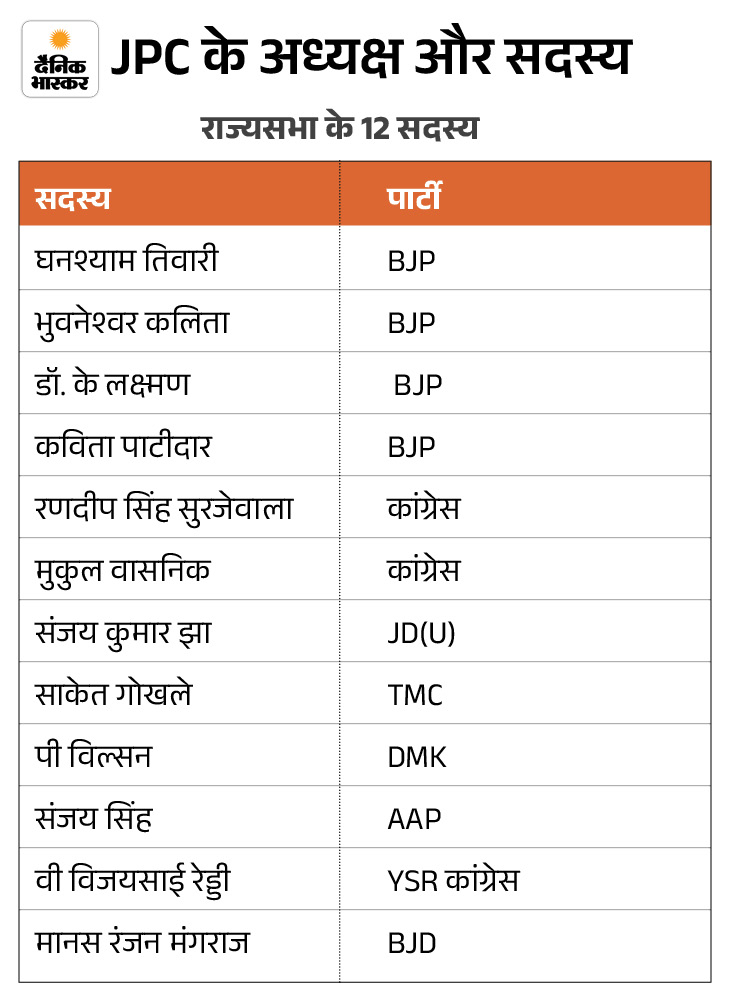
The Joint Parliamentary Committee formed for One Nation-One Election is being headed by lawyer PP Chaudhary. It has a total of 39 members, including 27 Lok Sabha MPs and 12 Rajya Sabha MPs.
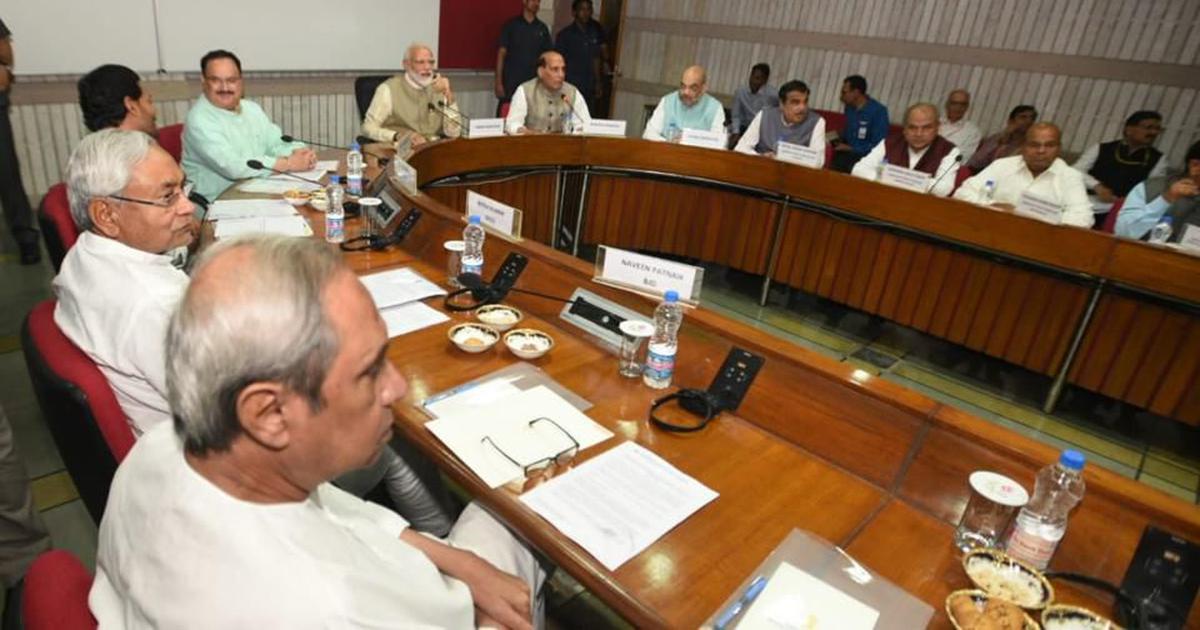
Picture of the all-party meeting held in 2019 on the issue of One Nation One Election. Parties like SP, TRS, Shiromani Akali Dal had supported it.
JPC visited Maharashtra and Uttarakhand last year
What did you do in Maharashtra? JPC visited Maharashtra on 17-18 May 2025. There, talks were held with the Chief Minister, political parties, administrative officials, banks, public undertakings (PSUs) and regulatory bodies. The objective of the committee was to understand what impact holding simultaneous elections would have on administration, expenditure and governance.
What did you do in Uttarakhand? JPC visited Dehradun and other parts of Uttarakhand between 19-21 May 2025. The committee discussed with Chief Minister Pushkar Singh Dhami, state administration and other organizations. Dhami told the JPC that due to repeated elections, in the last three years, government work was affected due to the code of conduct for about 175 days.
He claimed that if Lok Sabha and Assembly elections are held simultaneously then 30-35% expenditure can be saved. Because, it is difficult to conduct elections again and again in hilly states. At the same time, Chardham Yatra, rain and difficult geographical conditions affect the election process.
Report/Consolidated Submission When? The JPC has to submit the report by the first day of the last week of the monsoon session of 2026. The report will collect inputs from all consultations, presentations and meetings and give recommendations. No final deadline or submission date has been published yet. After the JPC report, further discussion/voting will take place in Parliament.
The picture is of September 23, 2024, when a meeting of the committee formed for One Nation-One Election was held in Jodhpur Officers Hostel, Delhi.
What is one country, one election?
In India, elections for the Lok Sabha and state assemblies are held at different times. One country, one election means simultaneous elections for the Lok Sabha and state assemblies. That means voters will cast their votes on the same day, at the same time, to elect members of the Lok Sabha and state assemblies.
After independence, Lok Sabha and Assembly elections were held simultaneously in 1952, 1957, 1962 and 1967, but in 1968 and 1969, many Assemblies were dissolved prematurely. After that, the Lok Sabha was also dissolved in December 1970. Because of this, the tradition of one country, one election was broken.
A panel was constituted on September 2, 2023, under the chairmanship of former President Ram Nath Kovind, to consider ‘One Nation-One Election’. The panel had submitted its report to President Draupadi Murmu on March 14 after discussions with stakeholders-experts and 191 days of research.
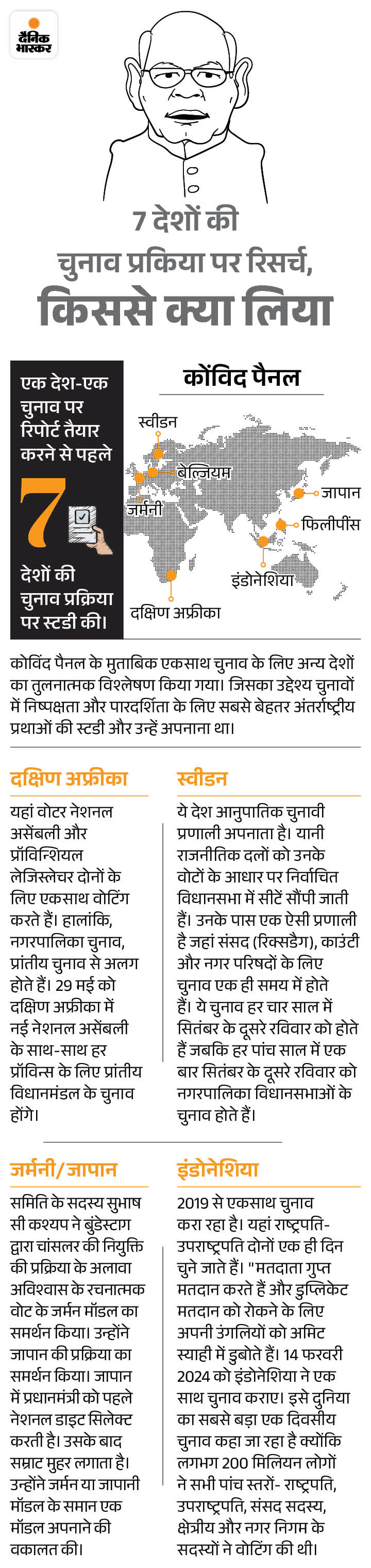
4 big advantages of holding simultaneous elections-
Ramnath Kovind Committee has given these arguments in its report in favor of holding simultaneous elections…
1. There will be continuity in governance: Due to the ongoing election cycles in different parts of the country, the focus of political parties, their leaders and governments remains on elections. By holding simultaneous elections, the focus of the governments will be on developmental activities and implementation of public welfare policies.
2. Officers will be able to concentrate on work: Due to elections, adequate number of personnel from many departments including police have to be deployed. Holding simultaneous elections will reduce the need for frequent deployment, which will enable government officials to focus on their core responsibilities.
3. Policy paralysis will be stopped: Regular administrative activities and development work gets disrupted due to implementation of Model Code of Conduct during elections. Holding simultaneous elections will reduce the length of time the Model Code of Conduct remains in force, thereby reducing policy paralysis.
4. Financial burden will reduce: Holding simultaneous elections can reduce expenses significantly. Whenever elections are held, huge expenditure is incurred on manpower, equipment and management of security measures. Apart from this, political parties also have to spend a lot.
These figures support simultaneous elections
• The Model Code of Conduct remained in force in India for 676 days during 2019-2024, i.e. about 113 days every year.
• According to an estimate, around Rs 1 lakh crore was spent in the 2024 Lok Sabha elections alone.
————— Also read this news related to One Nation-One Election…
Voter rights will not be affected by one country, one election: Former CJI BR Gavai reached JPC meeting
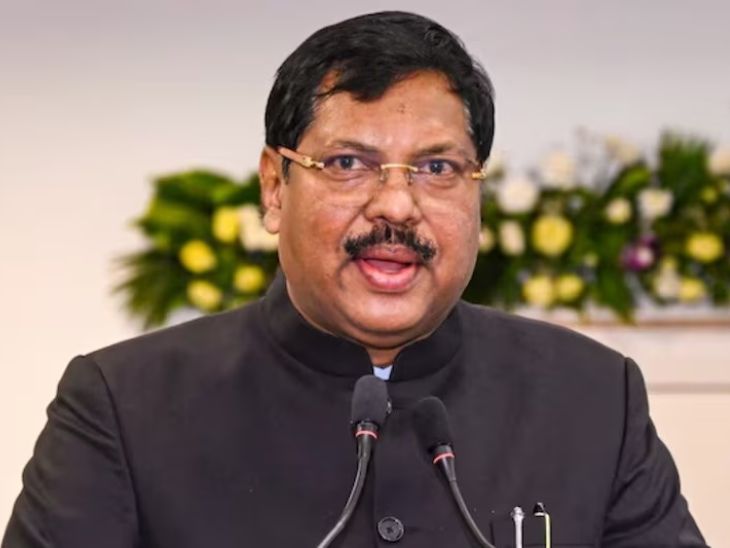
Former Supreme Court CJI Justice BR Gavai on Thursday reacted to One Nation, One Election (ONOE). He said that voter rights will not be affected by one country, one election and the federal structure will also not be affected. Read the full news…

Source link
[ad_3]

