
tokyo18 minutes ago
- copy link
A big step has been taken in defense cooperation between India and Japan. From next year, the Japanese Army will be able to test its long-range missiles in the firing ranges of India. This was agreed upon in the ministerial talks held between the two countries in Tokyo on Thursday.
Japan especially wants to test its Type-25 anti-ship missile and small attack drone with a range of about 1000 km, but Japan does not have the free space with that much range for testing.
Japan’s Defense Minister Shinjiro Koizumi said- We agreed that next year, Japan’s Self-Defense Force will use India’s firing range for the first time. This is also a big step strategically.
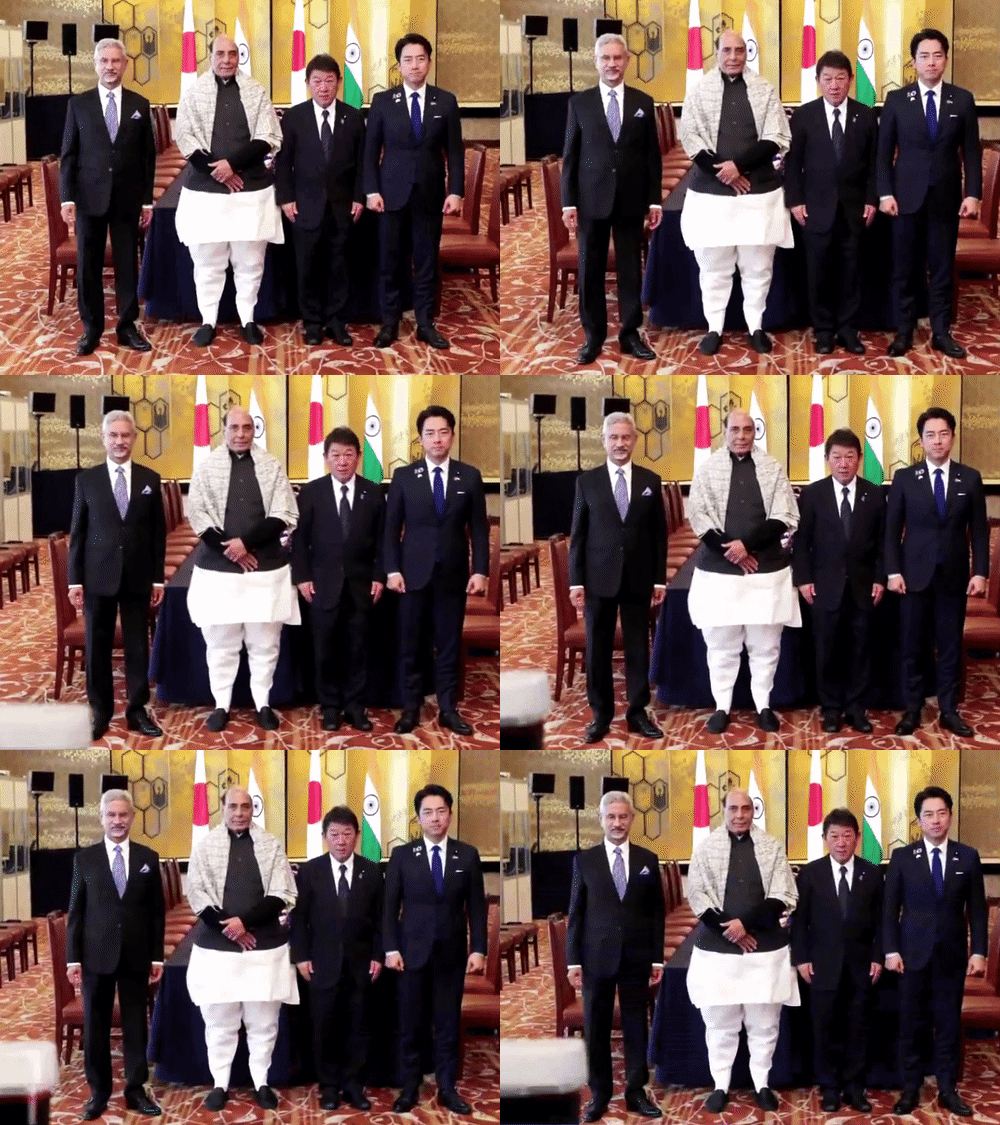
External Affairs Minister S Jaishankar, Defense Minister Rajnath Singh with Japanese Foreign Minister Toshimitsu Motegi and Defense Minister Shinjiro Koizumi in Tokyo.
Japan doesn’t have enough free space even in the ocean
Having a live-fire testing range for missiles has always been a major challenge for Japan. Because, Japan is a country made up of many islands. The population density there is very high and the space around the sea remains busy due to commercial activities.
Whereas, to test long-range missiles, a large and safe firing area is required. After firing a missile, its entire path and possible impact area have to be monitored. For such tests, sufficient empty space has to be found in the sea, so that no ship or civilian activity is endangered.
India has better conditions in this respect. We have vast military training areas and large operational spaces at sea. In such a situation, if Japan gets the facility to use the Indian firing range, it will get an opportunity to test the capability of its missiles in real conditions.
India will get Unicorn system through partnership in defense technology
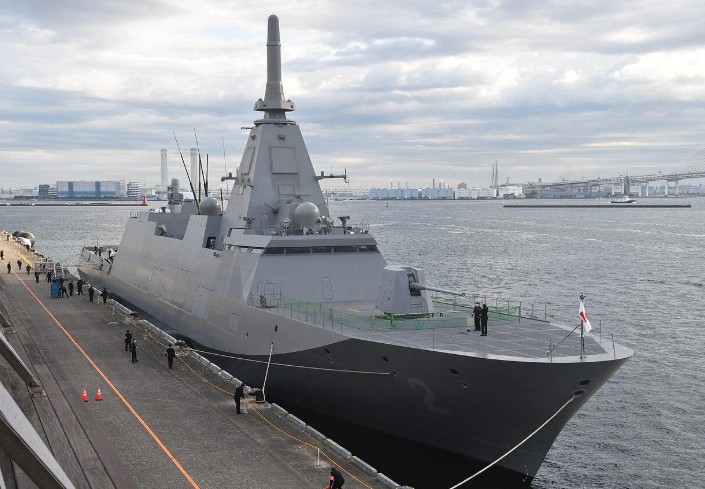
Cooperation between India and Japan is not going to be only in missile training. Apart from this, both the countries are also progressing together in the field of defense technology and military production. Also, both the countries want to finalize the projects of UNICORN stealth naval mast system as soon as possible. Under ‘Design with Japan, Make in India’, necessary permission is expected to be received from India soon by February 2027.
Actually, Unicorn is such a special antenna system, in which many antennas and communication equipment installed at different places on the warship are installed in a single tall structure (mast). It has been developed by Japan and India is also going to develop it in collaboration with Japan to install it in the warships of its navy.
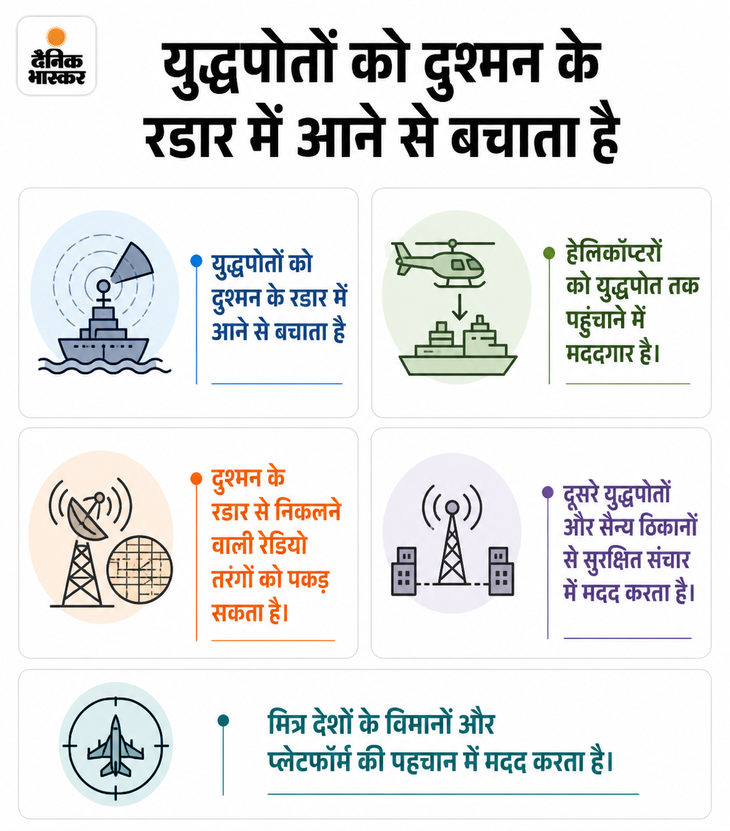
What will be the benefit to India?
- Indian warships will avoid coming under the radar of enemies.
- It would be difficult for the enemy to identify and track the ships.
- Communication and electronic warfare capabilities will be better.
- There will be less need to install separate antennas in warships.
Coordination between Navy and Air Force will also increase
Both the countries have also decided to work together to increase security at sea. The Indian Navy and the Japanese Navy will now cooperate in tasks like surveillance in the sea and sky, sharing of intelligence, rescuing people stranded at sea and providing relief in times of disaster. Both countries will also improve the technology to detect and destroy mines laid in the sea. Apart from this, both the countries will also explore the possibility of jointly building naval ships.
Military cooperation between India and Japan is also increasing in the air sector. During the ‘Veer Guardian-26’ military exercise, Japanese fighter planes visited India for the first time. Now both the countries are preparing to further modernize their military exercises. These will also include drones and other pilotless military equipment. Also, if needed, both the countries will be able to conduct joint military exercises at short notice.
Preparation to corner Pakistan on terrorism
In the joint statement issued by India and Japan, joint concern has also been expressed on the issue of terrorism. In the statement, both countries strongly condemned all forms of terrorism and violent extremism, including cross-border terrorism.
The joint statement mentioned UN-listed terrorist organizations like Al Qaeda, ISIS, Lashkar-e-Taiba and Jaish-e-Mohammed. Both countries stressed on taking concrete steps to stop safe havens, financial assistance and cross-border movement of terrorists.
——————
Read this news also…
Japan will sell deadly weapons to other countries: Change in policy after 50 years
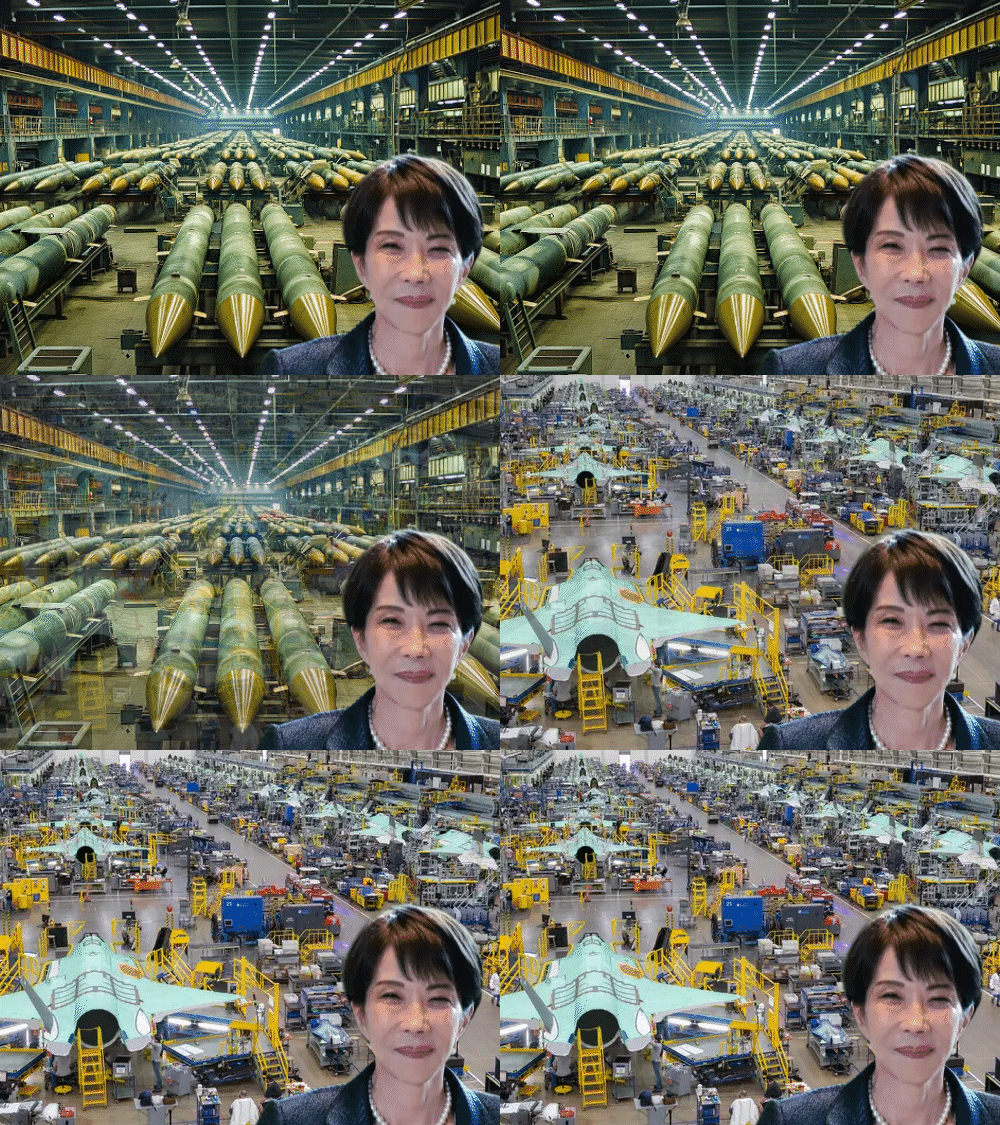
Japan has made a major change in its pacifist policy after the Second World War. Prime Minister Sanae Takaichi’s cabinet has lifted the decades-old ban on the export of lethal weapons. Under this, Japan will now be able to sell weapons like fighter jets, missiles and warships to other countries. Read the full news…

Source link
[ad_3]

