
New Delhi4 minutes ago
- copy link
Rejecting the American allegations, India has said that there is no excess production capacity in any sector of the country. The Central Government said that trade related concerns should be resolved through the ongoing bilateral talks between India and America.
Regarding the provisions of increasing American tariffs, the government made it clear that it is committed to completing the trade deal with America soon.
The US started the investigation on March 11, 2026, under Section 301 of the Trade Act 1974. It included 16 countries and economic sectors including China, Japan, South Korea, Vietnam. Following an investigation, on November 25, the Office of the US Trade Representative (USTR) ruled against 14 economies.
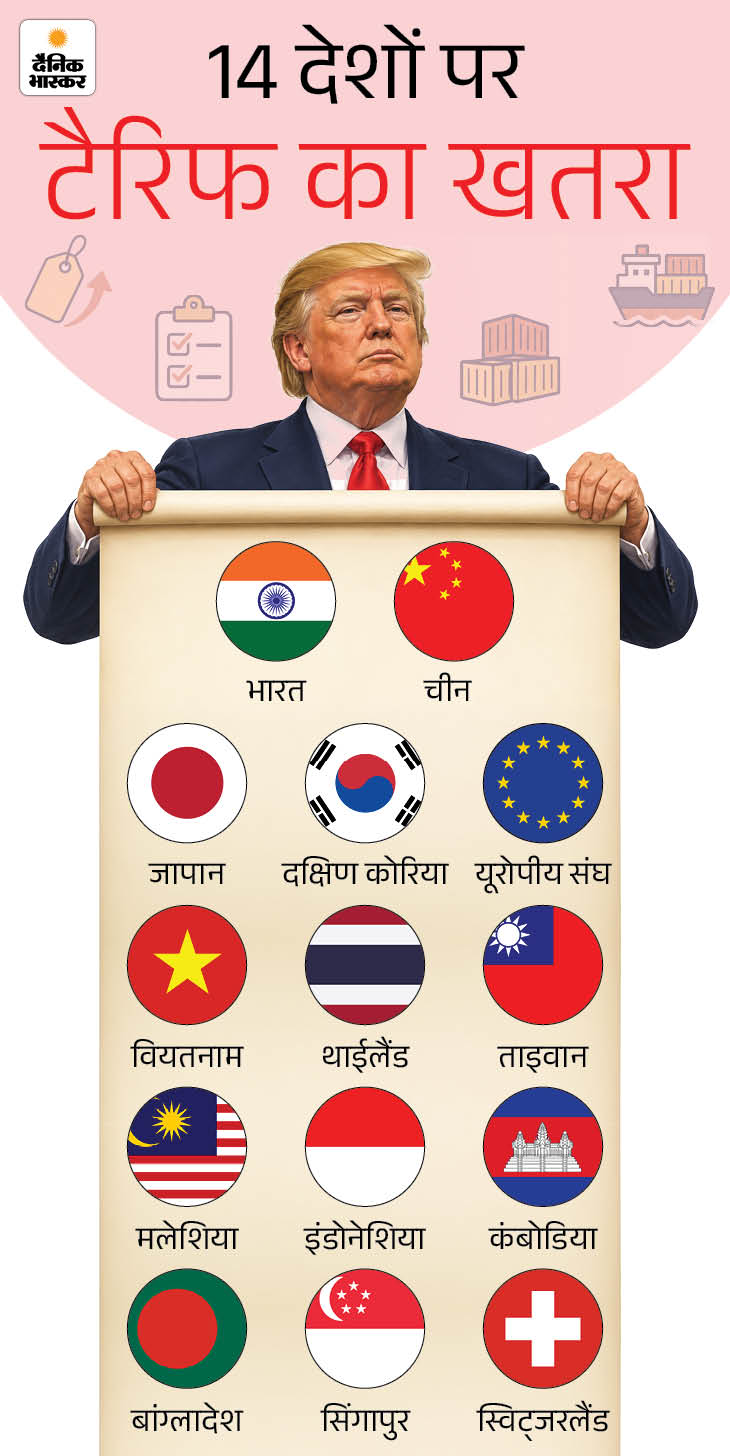
Question on India’s Make in India and PLI scheme
In the American report, questions have been raised on India’s Make in India, Self-reliant India and Production Linked Incentive (PLI) schemes. America alleges that these schemes increase the production capacity of Indian companies, causing losses to American companies.
Apart from pharmaceutical, medical equipment, steel, solar and IT sectors, America has also expressed concern about India’s labor policies, market access and dependence on import of raw materials.
If trade deal is made then 17% tariff instead of 25%
America has proposed to impose 25% tariff on Indian goods after examining the manufacturing capacity of 16 countries including India. However, this can be reduced to 17% if there is a trade deal with India. This rate will be lower than the proposed 18% tariff of Bangladesh, Cambodia, Indonesia, Malaysia and Thailand.
It has also been said that some products will be exempted from additional duty. These include patented medicines, semiconductors, passenger vehicles, auto parts, steel and some aluminum related items.
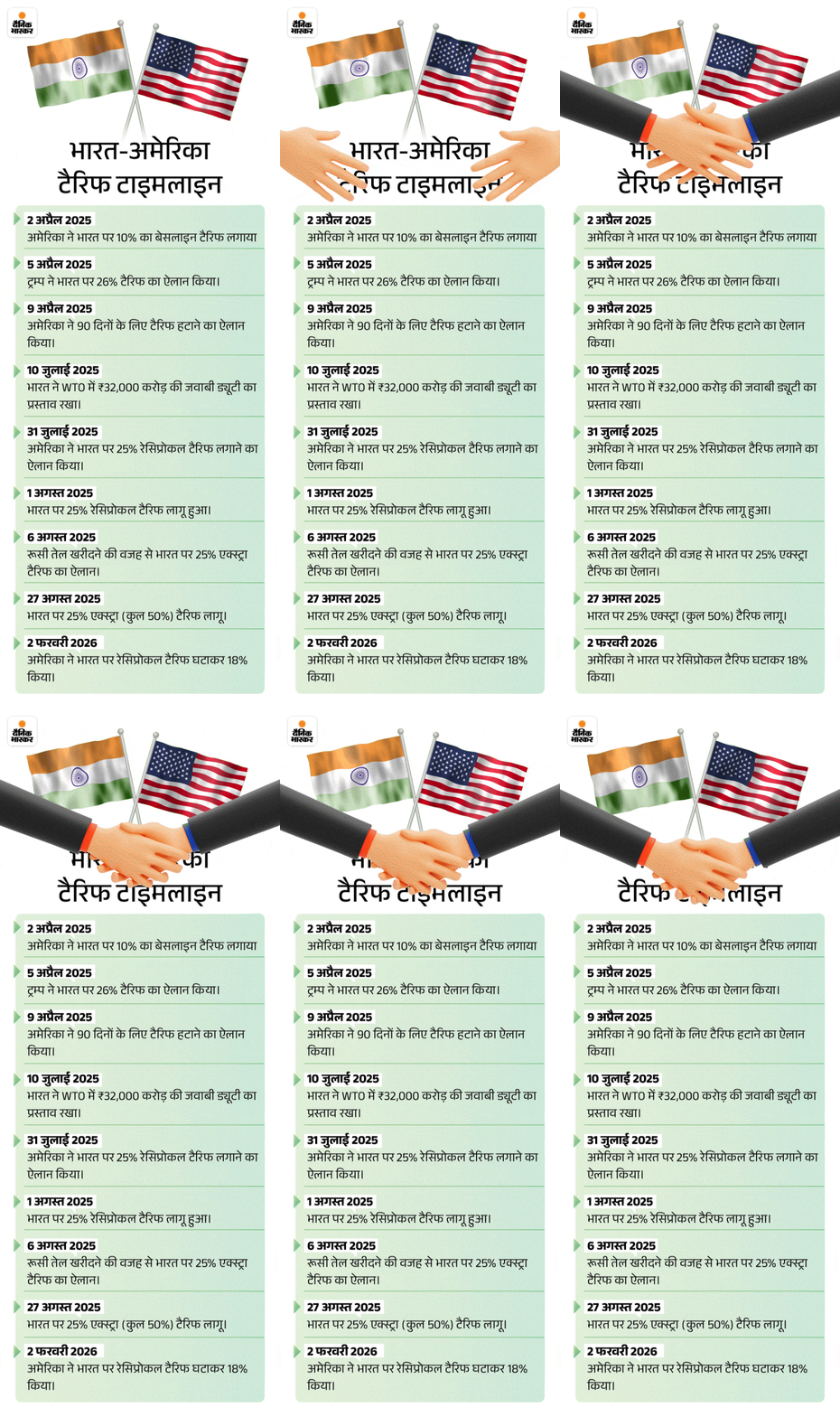
GTRI raised questions on America’s strategy
Think tank Global Trade Research Initiative (GTRI) says that America is pressurizing other countries through tariffs to enter into trade agreements on its own terms. According to the organization, a system has been made to give lower tariffs to countries that compromise and higher tariffs to those that do not.
GTRI has advised India not to give unilateral concessions just to get relief from tariffs, but to respond to the US allegations sector-wise. The organization has warned that if the final decision comes against India, there may be a danger of imposing additional duties and import quotas.

Source link
[ad_3]

