
washington dca few moments ago
- copy link
The trade deal between India and America could not be done because of US Vice President JD Vance. This claim has been made by America’s Republican Senator Ted Cruz in his leaked audio recording.
In the recording, Cruz also blamed President Donald Trump for sometimes delaying the deal. This secret recording has been received by American media outlet Axios.
These talks were held during private meetings with donors in mid-2025. In the recording, Cruz says that there was opposition within the White House regarding the trade agreement with India.
When donors asked who was posing the biggest hurdles to a deal, Cruz named White House trade adviser Peter Navarro, Vice President J.D. Vance and sometimes Trump.
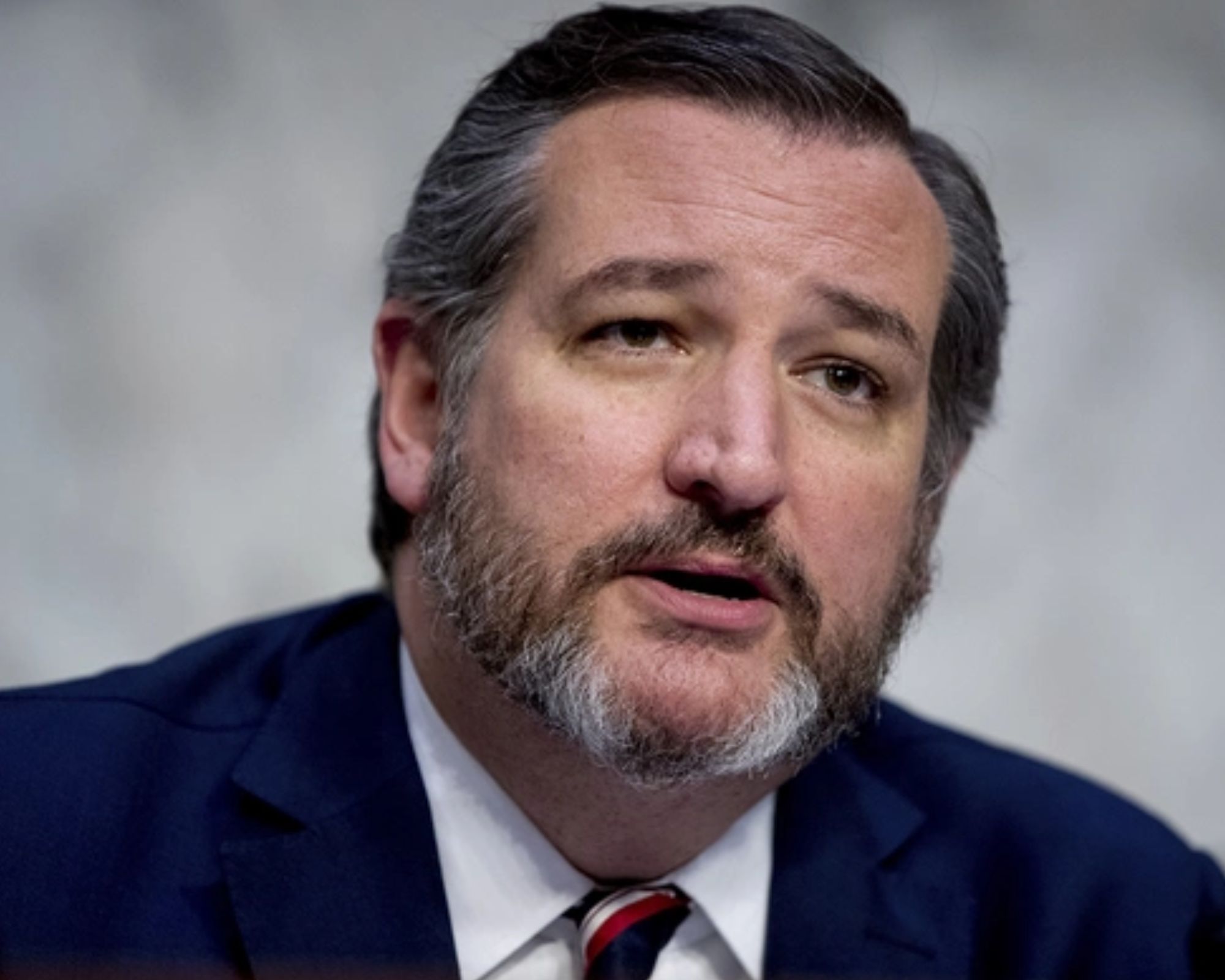
Ted Cruz is a member of President Trump’s Republican Party. (file photo)
Warned Trump, may lose the election
In the recordings, Cruz said Trump’s tariffs, implemented in April 2025, could severely impact the US economy.
According to Cruz, after the tariffs were implemented, he and some other senators asked Trump to reconsider the decision in a late-night phone call, but the conversation did not go well.
Cruz claimed to have warned the President that if retirement accounts fell 30% and grocery prices rose 10 to 20% by November 2026, the Republican Party would suffer a huge loss in the elections.
Cruz told Trump, “You will lose the House, lose the Senate, and face impeachment every week for the next two years.”
In response, Trump reportedly said, “Get lost, Ted.”
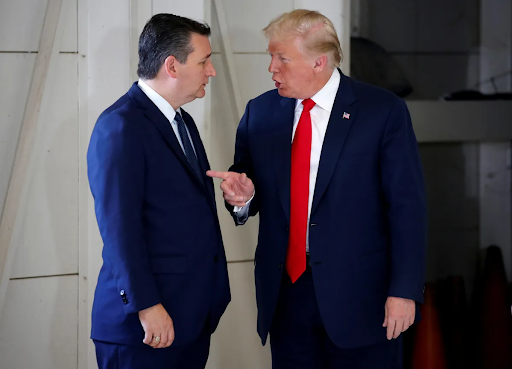
Cruz (left) claimed that Trump (right) was angry during that call and the conversation became tense. (file photo)
India-US trade deal proposed in 2025
The India-US trade agreement was proposed as early as 2025 and several rounds of negotiations have taken place on it.
Trump has been expressing confidence in the agreement in public forums and has also praised Prime Minister Narendra Modi. But leaked recordings show the process has been complicated by internal political differences and tariff disputes.
Experts believe this case shows how domestic politics and ideological conflicts in America can affect the pace and direction of international economic agreements.
Source link
[ad_3]

