
In Kotputli, Rajasthan, 3 year old innocent Chetna was trapped in a borewell for 6 days. There was movement in the body for several hours after the accident. But the long wait to get out and hunger and thirst have increased the lines of worry.
.
More than Chetna’s family members are responsible for this incident, the carelessness of those officers is more, who wasted 29 hours relying only on desi jugaad.
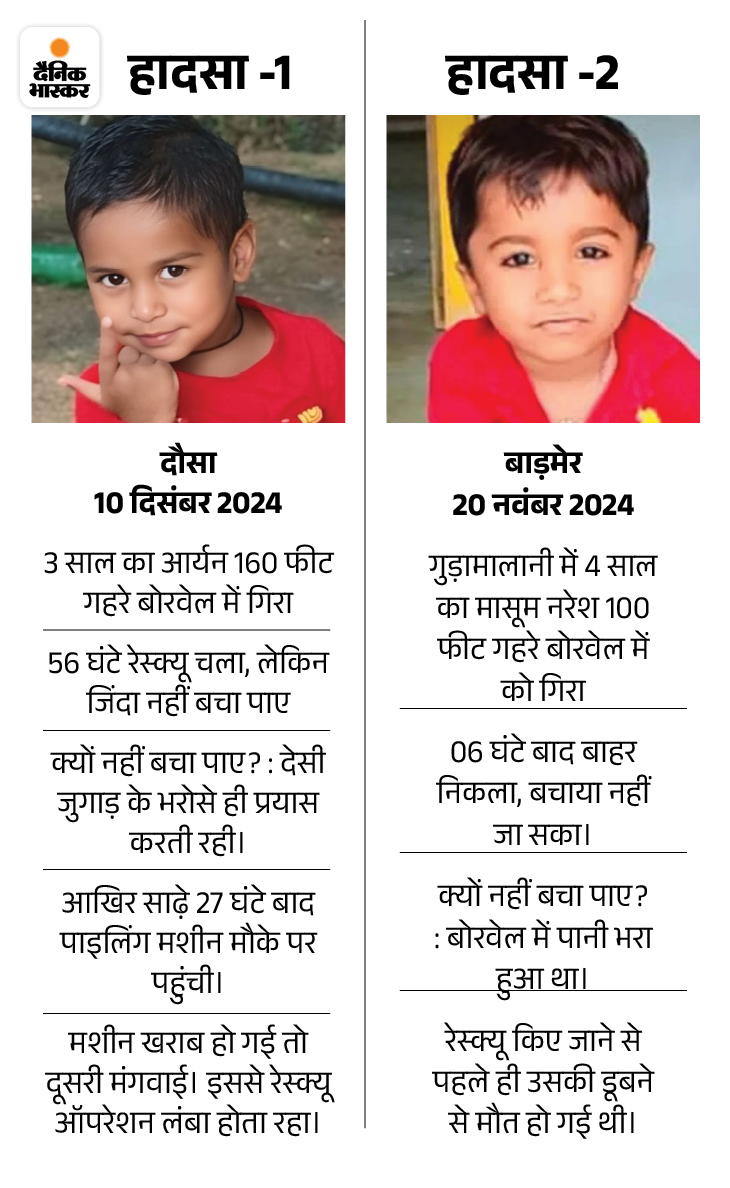
After the indigenous methods failed, work on Plan ‘B’ was started. The District Collector, who claims to have conducted the longest and most difficult rescue operation in Rajasthan, herself reached the spot after 2 days. Earlier, there were similar reasons for the failure to save 3-year old innocent Aryan, who fell into a borewell in Dausa district on December 10.
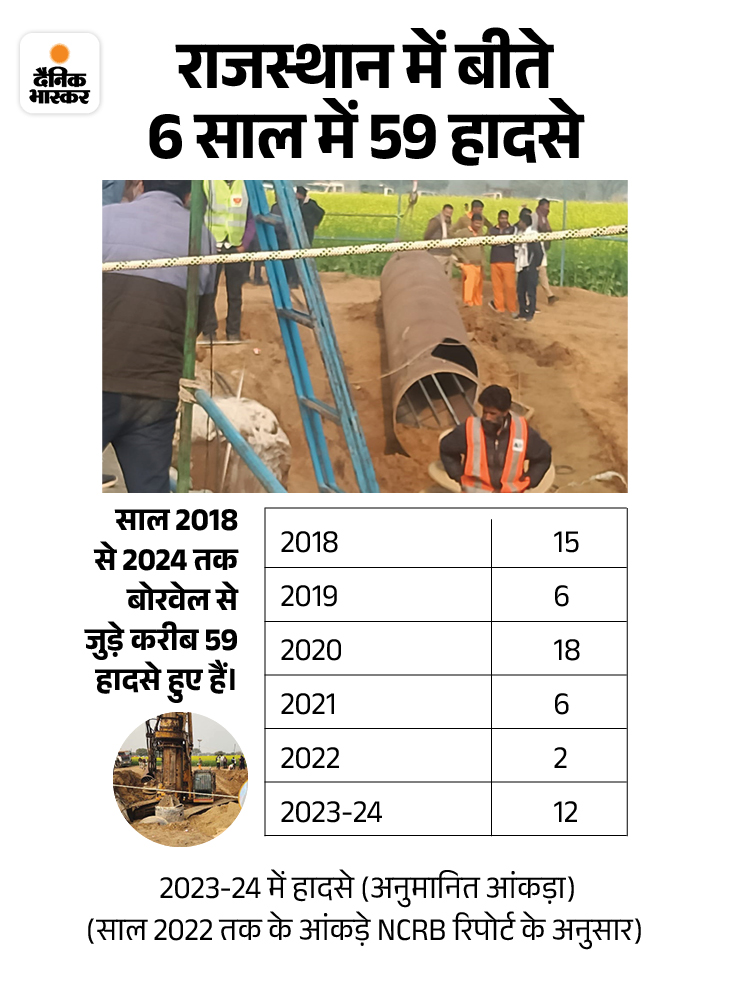
The same thing happened in more than 59 borewell accidents in the last 6 years. More than 40 people died. What about this rescue operation of Kotputli? Challenges What else carelessness stayed?
With the help of experts, know why borewell accidents are happening? Why do rescue operations fail?
First of all, know what negligence came to light in Chetna’s rescue?
1. First negligence: Efforts made before the arrival of the rescue team increased the problems.
Chetna of Dhani of Badiyali of Kiratpura in Kotputli was trapped at 150 feet in a 700 feet deep borewell on Monday (23 December). Bhaskar’s investigation revealed that when Chetna fell into the borewell, she was stuck at just 15 feet. The sounds of her crying and screaming were heard.
But the family ignored the risk and tried to pull him out from their own level by putting a rope in the borewell. A rope was inserted inside so that innocent Chetna could catch hold of it and take it out. But there is a fear that by raising hands a gap was created between the walls of the borewell and consciousness. Due to this she slipped and went to a depth of about 80 feet.
What was to be done? , In fact, in such cases, specialized rescue teams first fix the children trapped in the borewell by holding them with an umbrella lock or L shaped rod. So that the child does not slip below the depth at which he is. But the efforts of the rescue team were overshadowed.
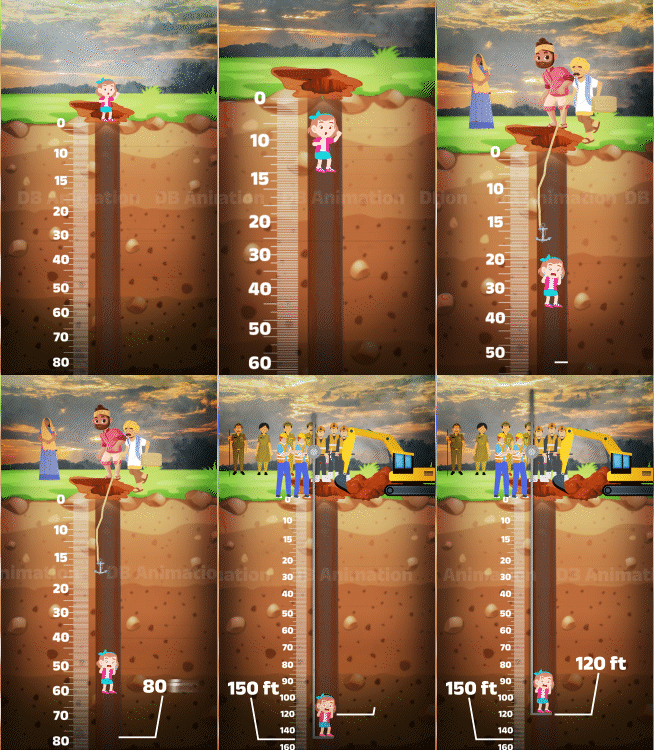
Graphic of Kotputli borewell accident: Chetna was stuck at 80 feet.
2. Second negligence: Delay in starting the rescue operation
The local administration got information about the accident at 2 pm. Despite this, after half an hour a call was taken to call SDRF-NDRF. Meanwhile, efforts were started to rescue the girl through indigenous jugaad. After three and a quarter hours i.e. around 5.15 pm the SDRF team reached the spot. By then the innocent girl had slipped and reached a depth of about 150 feet. After this, when the NDRF team arrived, the rescue operation actually started at 9.30.
What was to be done? , If the rescue teams (SDRF and NDRF) had reached within 2 hours as soon as the information was received, perhaps Chetna could have been held at 80 feet.
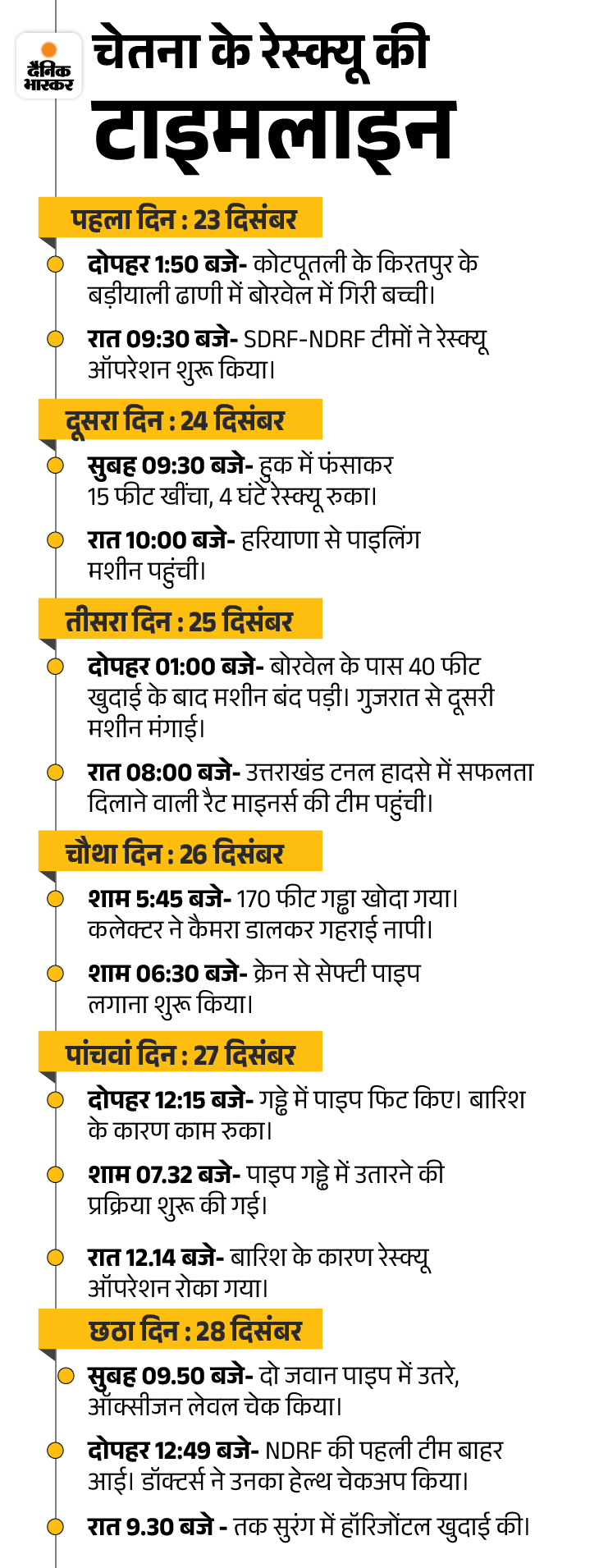
3. Third negligence: Plan ‘A’ and Plan ‘B’ were not implemented simultaneously.
Investigation revealed that the pipes had already been taken out from the borewell in which Chetna had fallen while playing. Now it was a deep pit of mud. Due to moisture inside and clay soil, there was already a fear that the chances of successful rescue using indigenous jugaad were very less. But the incident commander (ADM and SDM) present on the spot could not realize this. The Incident Commander could not start work on the second plan.
What was to be done? , If the work had started immediately with the piling machine, the delay in the rescue operation could have been avoided.
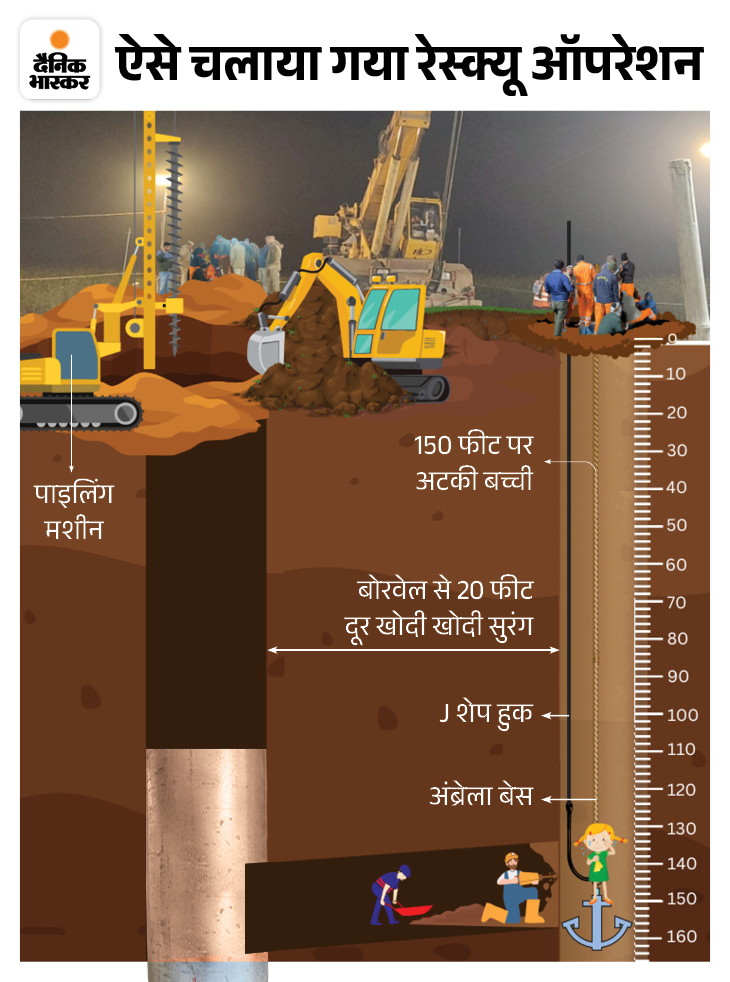
4. Fourth negligence: The incident commander kept relying on miracles, but could not take the right decision.
Higher level coordination between the teams and the incident commander remained poor during the entire rescue operation. The District Collector did not reach the spot for two days. The expert said that the decision to order the piling machine should have been taken immediately after the accident on Tuesday. But ADM-SDM might not have considered it seriously. For a long time, we kept relying on desi jugaad and hoping for a miracle.
After wasting 29 hours, the decision was taken to order a piling machine. Even after this, the machine did not appear to be prepared to reach the rescue operation site quickly. A lot of time was also wasted in making a road to take the piling machine to the spot.
What was to be done? , The officials should have worked on the possibilities of Plan ‘B’ from day one and made all the arrangements immediately. Because the piling machine which was brought from Manesar, Haryana, reached the spot 33 hours after the accident. Then he started digging the tunnel after 9 hours. By then 42 hours had passed since Chetna was trapped in the borewell.
Many challenges surrounded from weather to ground level.
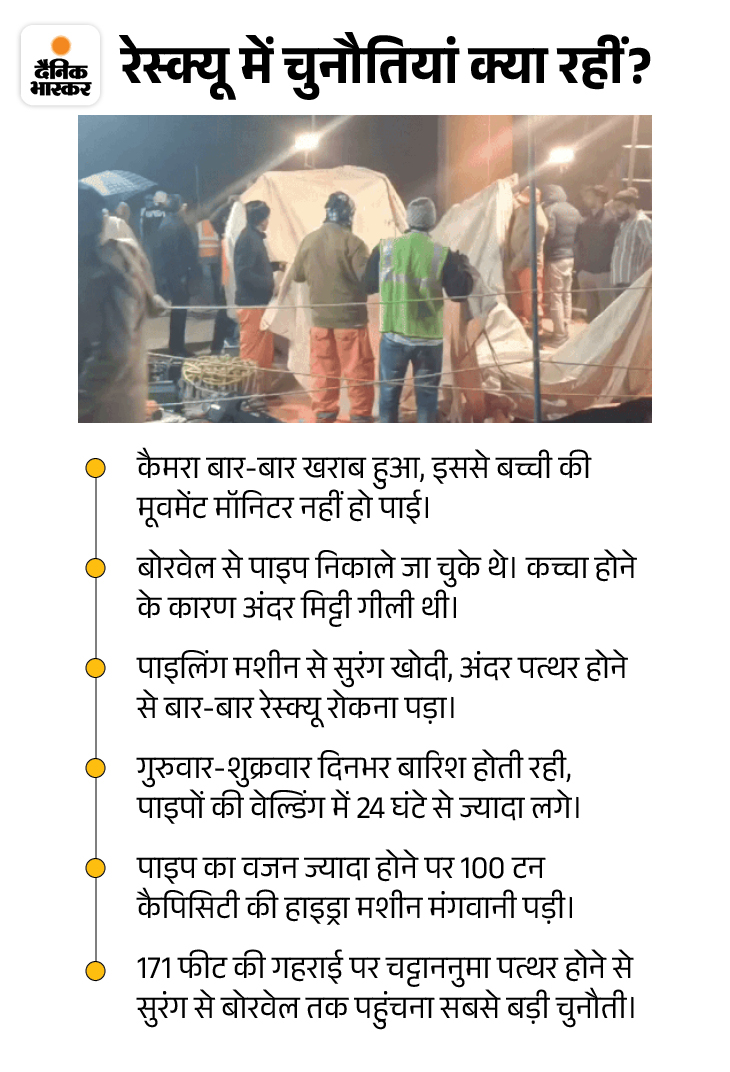
They are responsible for the delay in Chetna’s rescue.
1. Consciousness: There was gross negligence in leaving the borewell open. Innocent and innocent girls were left there to play alone.
2. Incident Commander: The incident commanders during the rescue operation were ADM Omprakash Saran and SDM Brijesh Chaudhary. Rescue teams were working only on his instructions. The rescue team’s plan to get a piling machine was not taken seriously. Due to this the time of rescue operation was wasted.
3. District Collector: Kalpana Aggarwal did not reach the spot for the first two days of the accident. Didn’t even meet family. When asked the reason, he cited that he was on leave for 2 days. Being a senior officer, due to lack of high level monitoring, lack of coordination between the rescue teams and the incident commander was clearly visible.
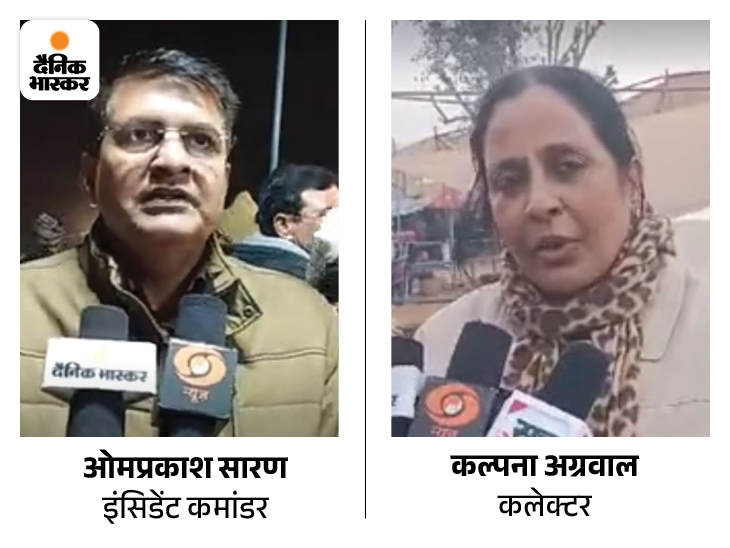
Bhaskar contacted both the officers several times to ask questions, but did not get any response.
How did innocent Neeru come out of the pit alive after 17 hours?
On September 18, 2024, 2-year-old innocent Neeru had fallen into a pit about 35 feet deep while playing in the fields in Jodhpuriya village of Bandikui area of Dausa. There was also a 600 feet deep borewell right next to it. NDRF rescued a 2-year-old child who was trapped in a pit for 17 hours by digging a tunnel. There were two important decisions behind the success of this rescue…
1. Rescue operation started within half an hour
In this case, the local administration and the incident commander present on the spot showed tremendous promptness. The rescue operation was started just half an hour after the accident. The call to call the NDRF team was also taken immediately. Just 4 hours later, the NDRF team from Ajmer reached the spot and took control of the rescue operation.
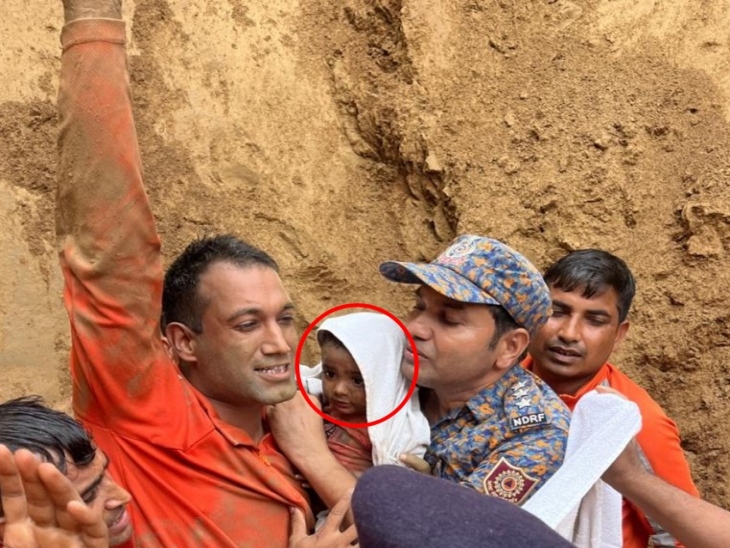
The picture is of the rescue operation of 2 year old innocent Neeru. Neeru had fallen into a 35 feet deep pit in the borewell.
2. Work on Plan ‘A’ and Plan ‘B’ simultaneously
The Incident Commander saw that after this, when the local jugaad was not achieving any significant success, he started working on Plan ‘B’ after just 9 hours at 2 am. Digging a pit and making a tunnel started near the accident site. This was the reason that after 17 hours the rescue team brought Neeru out alive through the tunnel.
Now let us look at some of the previous borewell accidents in Rajasthan, where even though the circumstances were different, the mistakes were similar to the Chetna case…
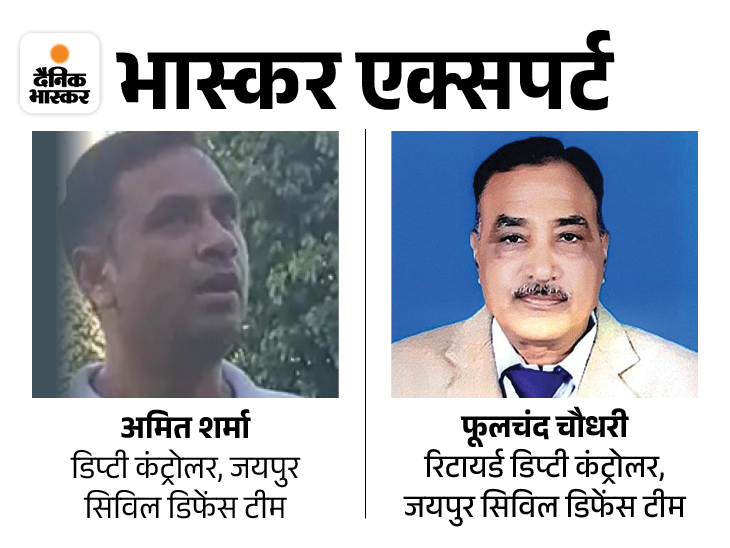
Jaipur Civil Defense Team Deputy Controller and Controller Told what is the difficulty in rescuing children trapped in borewell…
- Most people, if the borewell is not successful, take out the pipes installed in it for other purposes.
- If a child falls into it, there is a risk of soil falling while pulling him out.
- Due to the presence of clay soil and water at great depth, no equipment works in that pit.
- No specialized or robotic system has yet been developed to take out the children.
- Desi Jugaad or technology is being used, it is also completely engineering based and gives quick results.
- Rescue teams prepare their own L-type or umbrella-type equipment, this is Plan ‘A’.
- This plan has to be adopted first because there is a danger to the life of an innocent child if he remains trapped in the borewell, hungry and thirsty, for a long time.
- The rescue team also has ‘Plan B’, in which with the help of piling machine, a tunnel is made by digging a deep pit in a slope shape parallel to the borewell while maintaining a proper distance from it.
Madharam’s son, who has done hundreds of rescues, said – many challenges remain
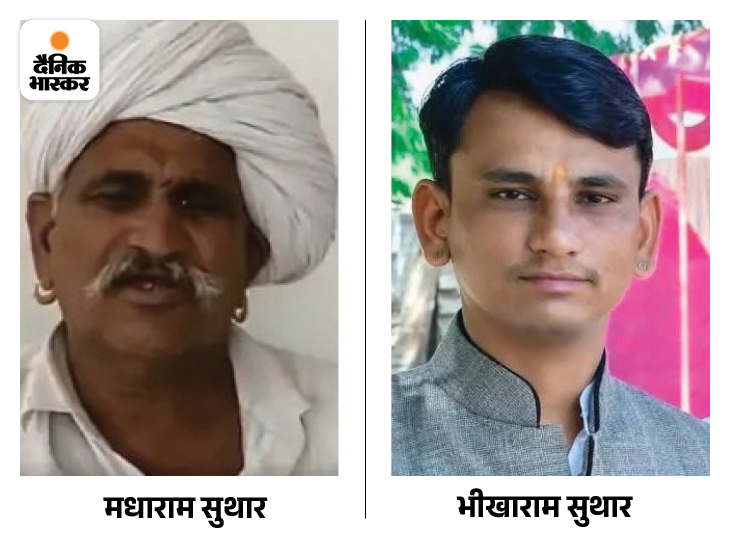
Madharam Suthar and his son Bhikharam Suthar, residents of Jalore district, have carried out hundreds of rescue operations with their home-made Jugaad. Madharam, famous by the name of Jugadi Bose, has also been honored at the state level. Madharam’s son Bhikharam Suthar told that there is no pipe in the raw borewell. In such a situation, as soon as any machine or tool is inserted inside the borewell, the soil starts falling.
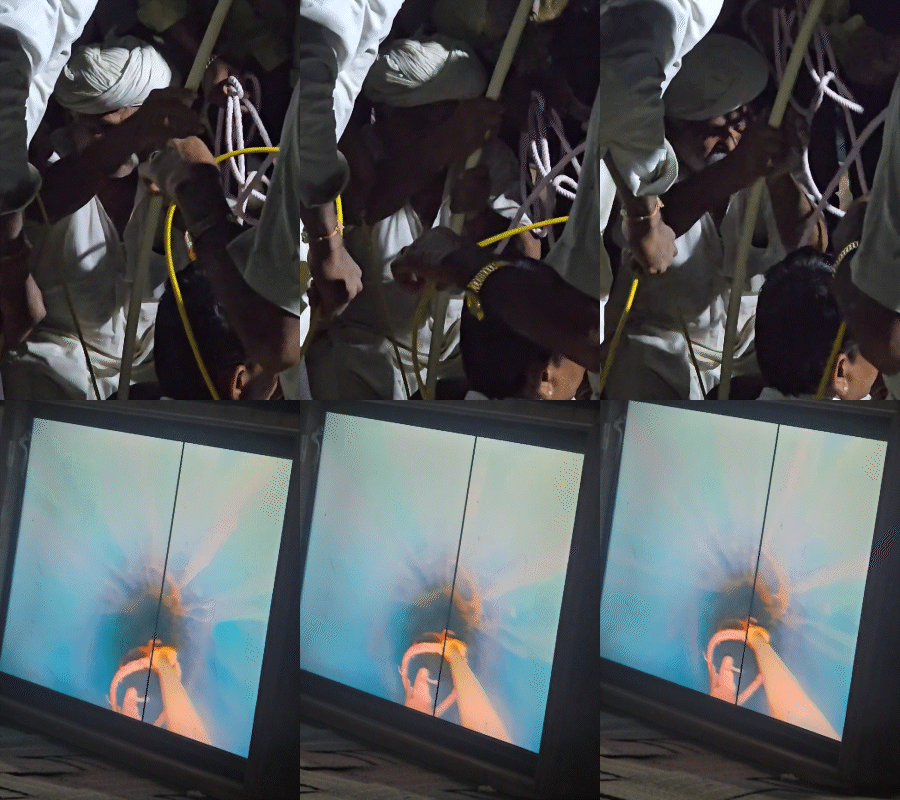
Madharam Suthar during the rescue in Arjun Ki Dhani, Barmer.
NDRF and SDRF teams also do not have any robots, they also have indigenous devices like iron rods and balloons. Many times the child comes out of the house within half an hour with the help of local jugaad. Together, father and I have completed many rescues with ease. But not every attempt is successful.
The rescue team also feels that they will take the child out after some time. Repeating the same efforts again and again wastes time. They delay in calling the piling machine. By the time she reaches there it is too late in many cases.
What does the Supreme Court’s guidelines say on borewell accidents?
Taking cognizance of serious accidents and deaths of small children in open borewells, the Supreme Court had passed an order on 6 August 2010. The bench of the then Chief Justice SH Kapadia, Justice KS Radhakrishnan and Justice Swatanter Kumar had issued several guidelines after hearing the writ petition…
- Before digging a borewell, written information has to be given to the concerned District Collector, District Magistrate, Sarpanch of Gram Panchayat and other statutory officers and PHED of your area.
- The contractor or organization digging the borewell should be registered in the office of the district administration or the concerned competent authority.
- A sign board should be installed at the place where the borewell is being dug, on which the complete address and details of the owner, agency or contractor should be recorded.
- There should be barbed wire fencing or other proper arrangements nearby.
- After the borewell is constructed, a cement or concrete platform should be built around its casing pipe. Its height should be 0.30 meters. And the platform will have to be built up to 0.30 meter deep in the ground.
- A steel plate will be welded at the mouth of the casing pipe or tightly tightened with nuts and bolts. The mouth of the borewell should be kept closed during pump repair.
- After digging the borewell, the pit and the water path will have to be leveled.
- If for some reason the borewell has to be left incomplete, it will have to be restored to its previous condition by filling it completely up to the ground level with soil, sand, gravel.
- The responsibility of following these guidelines was given to the Collector.
…..
Also read this news related to consciousness in borewell…
Consciousness in borewell since 137 hours, excavation of tunnel continues: Difficulties increased due to presence of stones between tunnel and borewell; The family said – there is negligence
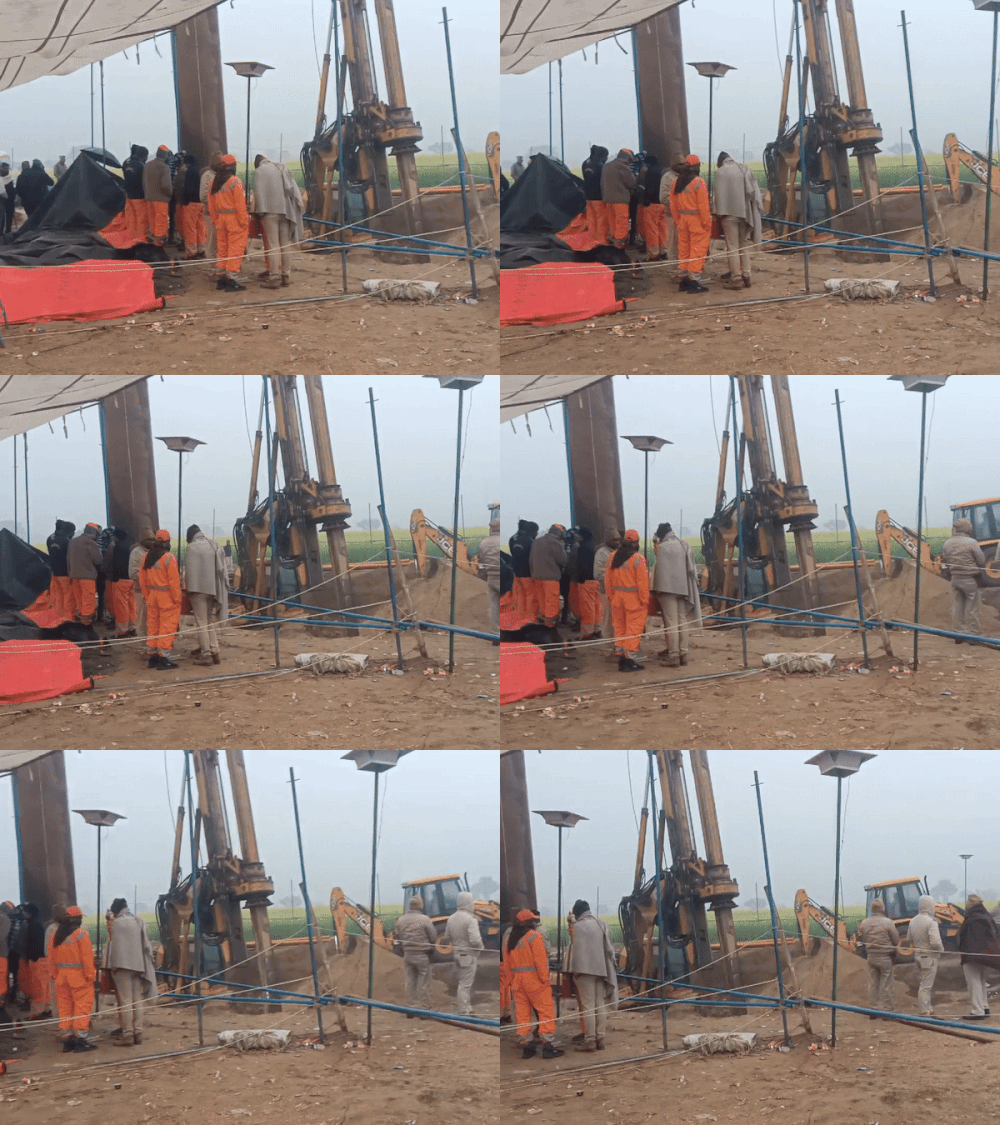
In the rescue operation going on for 7 days in Kotputli, the team has still not been able to reach Chetna (3). NDRF personnel are digging a tunnel 170 feet deep to rescue Chetna. Read the full news…
Source link
[ad_3]

