
If you have ever travelled to Himachal Pradesh in winter and found yourself at a small roadside dhaba with steam rising from a pan and the smell of ghee in the cold mountain air, there is a good chance someone was making siddhu. A classic Himachali dish renowned for its tasty filling, siddhu makes a light and fluffy bread when steam-cooked. It is the sort of food that is difficult to describe with just one word. It is a bread. It is a dumpling. It is a snack, a meal, a memory, a tradition. To the people of Himachal Pradesh, it is simply home.
Also Read: Leftover Kadhi Chawal Sitting In Your Fridge? Turn It Into Crispy Snack Balls
Where Does Siddhu Come From?
Siddhu holds a special place in the region’s culinary heritage, with a history that dates back centuries, originating from the times of nomadic shepherds who roamed the rugged terrains of Himachal Pradesh. These were people who spent their days moving through the mountains with their livestock, covering distances that demanded food which was filling, durable, and easy to carry. Siddhu fit all of those requirements.
Siddu is believed to have originated in Mahasu, part of present-day Shimla, before it spread to other parts of the state. According to some sources, siddu originates from the Tibetan word ‘tse-doe’, meaning steamed bread, indicative of the historic and cultural exchange that occurred across the Himalayan trade routes. This makes a lot of sense when you look at Siddhu’s closest relatives in the food world. Its shape closely resembles many other stuffed breads or dumplings: think Tibetan shapale, Russian chebureki, or even an XL South American empanada. But unlike these other stuffed breads, siddhu is fermented and steamed.
The rich food culture in Himachal Pradesh is a mix of Punjabi, Tibetan, and local Pahadi influences. Siddhu sits right at the heart of that mix. It is distinctly Himachali but carries the fingerprints of centuries of mountain trade, migration, and cultural exchange. That layered history is, in many ways, what makes it so special.
What Exactly Is Siddhu?

Siddhu is a fermented wheat dough stuffed with a filling and steamed, but this description barely captures its essence. Made by fermenting whole wheat flour with yeast, it is filled with a paste of nuts like almonds, poppy seeds, peanuts, walnuts, and sesame, along with coriander, tomato, onions, and spices. Steamed, garnished with ghee, and served with chutneys, siddhu is folded like half-moons, echoing the moon that guides shepherds. This detail adds a poetic touch, reflecting the landscape and lifestyle that birthed it. A well-made siddhu has a soft, elastic exterior with a golden tinge and a fluffy, moist interior. The wheat flour, yeast, and spices create a distinct aroma, while the filling offers a burst of flavours, from earthy and spiced to tangy, depending on regional variations. Remarkably, no two siddhus are alike, as each home, cook, and region offers its unique interpretation, infused with personal taste and available ingredients.
The Many Faces of Siddhu: Regional Variations
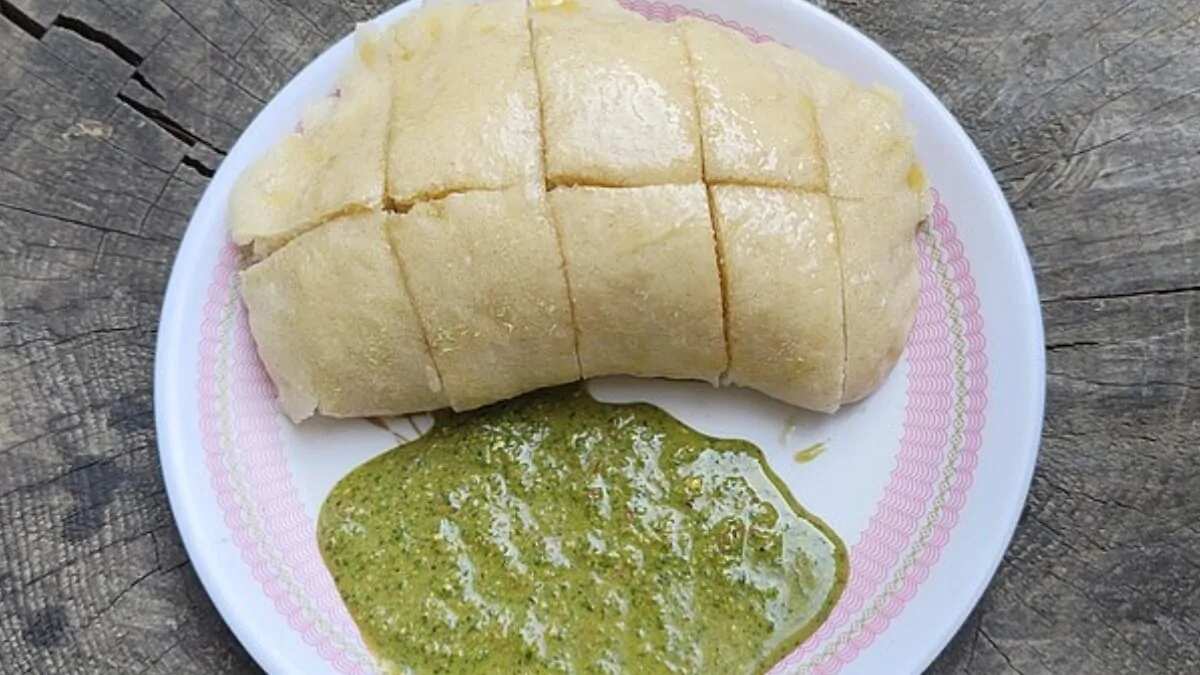
One of the most fascinating things about siddhu is that it changes depending on where you are in Himachal Pradesh, and even which household you happen to walk into.
In Kullu, siddhu is often filled with a delightful mixture of poppy seeds and jaggery, resulting in a sweet and nutty flavour profile. In Mandi, minced meat or a blend of aromatic spices like cinnamon and cloves is used as a filling, adding a distinct savoury character. The locals also use pea filling, potato filling, urad dal filling, and rajma filling.
Popular adaptations also include paneer, chicken, potato, and even mutton. There is also a sweet version, which contains desiccated coconut, walnuts, sesame and jaggery. The sweet version, eaten almost like a dessert, is particularly beloved in certain parts of Kullu and Manali.
The one constant across all versions? Ghee. It is normally eaten with ghee or butter and daal, or with green chutney. The generous drizzle of ghee over a freshly steamed siddhu is non-negotiable in Himachali households.
How to Make Siddhu at Home: A Detailed Recipe
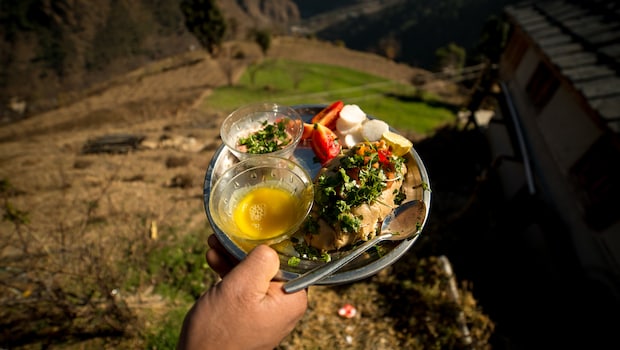
Making siddhu at home requires a little patience, mostly because of the fermentation time, but the process itself is wonderfully straightforward. Here is a proper, detailed recipe you can try at home.
For the Dough:
- 2 cups whole wheat flour (you can substitute one cup with rice flour for a softer, more delicate texture)
- 1.5 tsp dry yeast
- 1 tsp sugar
- 1 tsp salt
- 1 to 2 tbsp ghee
- Lukewarm water as needed
For the Filling (classic urad dal version):
- ½ cup urad dal, washed and soaked for at least two hours
- ½ tsp red chilli powder
- 1 inch ginger, grated
- 2 green chillies, finely chopped
- ¼ tsp turmeric powder
- A small pinch of asafoetida
- 1 tsp coriander powder
- A handful of fresh coriander leaves, finely chopped
- Salt to taste
For the dry fruit filling (sweet version):
A mix of soaked walnuts, poppy seeds, almonds, sesame seeds, and peanuts, blended with a little jaggery and desiccated coconut.
Also Read: 9 Kitchen Herbs You Can Easily Grow At Home Even If You Don’t Have A Garden
Method:
Start with the dough. Activate the yeast in warm water with sugar until frothy. Take the wheat flour in a large bowl, add the ghee, salt, and the frothy yeast mixture. Knead until you get a smooth, soft dough, similar to chapati dough but slightly stickier. Once the dough is ready, let it rest for at least 3 to 4 hours. Siddhu dough is mostly yeast-based and has to be prepared a couple of hours before you need it. If you can leave it overnight, covered, the fermentation gives it a beautiful depth of flavour.
While the dough is resting, prepare the filling. Drain the extra water from the soaked dal and grind it coarsely. Transfer the dal paste to a plate, then add salt, red chilli powder, ginger, green chilli, turmeric powder, asafoetida, coriander powder, and some coriander leaves. Mix thoroughly and set aside.
Once the dough has risen and doubled in size, divide it into small equal portions. Roll each portion into a circle that is a little thicker than you would for a roti. Add some of the stuffing to the dough. Fold the dough from the top to cover the stuffing, forming a half-moon. Pinch and fold the edges to seal tightly. This is the part where the real artistry comes in. The beautiful patterning along the edges, made from carefully folding and pinching the edges shut, is something that speaks to the attention to detail in Himachali food culture.
In a pan, add 2.5 cups of water and bring it to a boil. Grease a strainer pan or steamer basket with some ghee and place the siddhus in it with enough space between them for airflow. Cover the pan and steam the siddhu for 20 minutes on medium flame.
Once done, let them cool briefly, then drizzle generously with melted ghee before serving. Pair with a sharp green chutney made with coriander, mint, green chilli and garlic, and a fiery red chutney with dried red chillies and garlic. The contrast between the soft, mild siddhu and the punchy chutneys is where the magic happens.
If you do not have a steamer, a pot with a steaming rack or even a colander placed over boiling water can function as an efficient substitute.
The Cultural Soul of Siddhu

Siddhu is more than just food in Himachal Pradesh; it is a communal experience. It plays a vital role in festivals and special occasions like weddings, religious festivals, and family gatherings, strengthening social bonds and fostering togetherness. This simple bread is deeply significant to the Pahadi people, including tribals, as it is tied to their cultural identity and tradition preservation. Siddhu recipes are passed down orally and tactilely, residing in the hands and muscle memory of grandmothers and mothers, rather than in cookbooks.
This is an invaluable traditional food in the Himachali culture. For 200 years, the region has been making and customising recipes. Historically, nomadic shepherds made and carried siddhus for long journeys, valuing their versatility and durability, especially for winter treks. Its portability and resilience are essential features, designed to meet the demands of mountain life: extreme cold, long distances, limited cooking facilities, and the need for sustenance.
The popularity of Siddhu has spurred culinary tourism in Himachal Pradesh. Travellers can participate in siddhu workshops and culinary experiences, learning to make this traditional bread from local experts. These workshops are not merely recreational activities for tourists; they are a living mechanism for preserving this tradition, ensuring that younger generations, both Himachali and others, grasp its cultural significance.
Why Siddhu Is Essential, Not Just Delicious
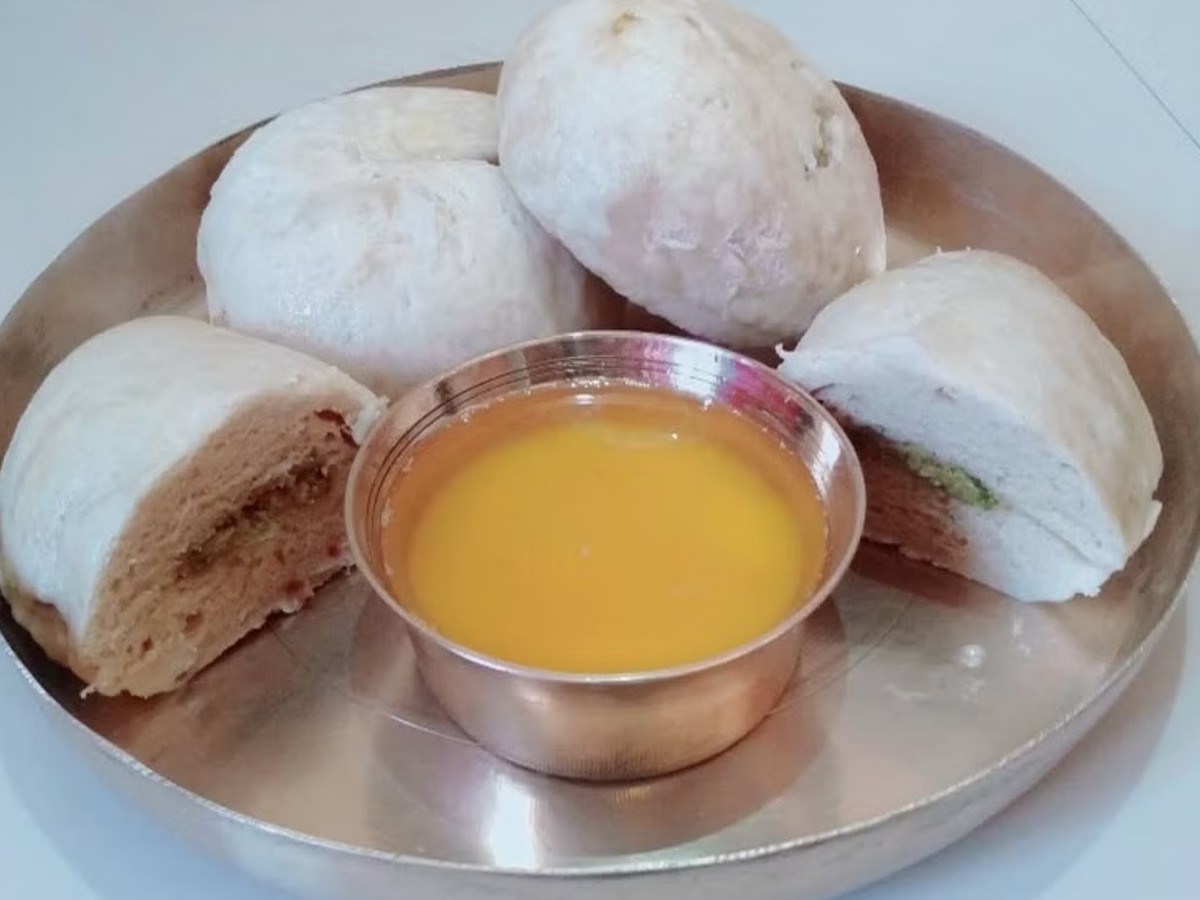
Siddhu is primarily consumed during winter for its warmth and nutrition, embodying survival food in the best sense. It reflects the unique mountain lifestyle, using local and seasonal ingredients suited to the weather and the on-the-go lifestyle of Pahadis. Whole wheat flour in Siddhu provides essential nutrients and dietary fibre, promoting digestive health. Aromatic spices like cumin and coriander seeds offer antioxidant and anti-inflammatory benefits. The slow-steaming method retains the bread’s nutritional value, making siddhu a wholesome meal.
Imagine being in the hills in December, freezing. You need energy, warmth, easy bulk preparation, and portability. Siddhu meets all these needs. The fermented dough supports gut health, while nut-based fillings are rich in protein and healthy fats. Steaming avoids frying and nutrient loss to high heat, making it nutritionally sophisticated yet effortless. It’s the ideal compact food: gut-friendly, protein-dense, and delicious.
Beyond its nutritional logic, siddhu holds emotional significance. It’s the taste of home for those who grew up in the hills, served when someone arrives after a long journey, during weddings, or when winter feels too long, and the family needs warmth and community. Visiting Himachal Pradesh, one can explore bustling markets and traditional eateries in Shimla, Manali, Dharamshala, and Mandi to experience Siddhu’s authentic flavours. However, to truly understand it, witnessing its preparation at home is essential.
Also Read: Karan Aujla Enjoys Samosas, Cappuccino Chai And Rasgullas In Kolkata Ahead Of Concert
Not Just Food But A Culture
Siddhu has recently appeared on menus outside Himachal Pradesh, gaining recognition at food festivals in Delhi and Mumbai, and in pahadi restaurants across India. This recognition is long overdue. However, siddhu is best enjoyed in the mountains, steaming hot, drizzled in ghee, eaten with your hands in the cold air with someone who knows its true taste. It embodies centuries of Himalayan history in its dough and fillings, keeping people warm, fed, and connected for generations. This experience is irreplaceable in a restaurant. If you ever have the chance, enjoy siddhu with a Himachali family in winter without overthinking.
Source link
[ad_3]

