
Last Updated:
Top PPP sources indicate that this is not a temporary price fluctuation but a signal of ‘deep structural distress’




The decision to push fuel prices to these unprecedented levels is a direct result of relentless pressure from the International Monetary Fund (IMF) and the total depletion of Pakistan’s foreign exchange reserves. Representational image
In a move that signals a deepening structural collapse of the Pakistani economy, the federal government has announced a historic and “crushing” increase in petroleum prices. According to exclusive details obtained by CNN-News18 from top Pakistan Peoples Party (PPP) sources, the price of petrol has been hiked by a staggering PKR 136 per litre, bringing the new rate to a record PKR 458 per litre. Even more alarming for the country’s logistics backbone, diesel prices are expected to touch the PKR 520 per litre mark.
This massive surge comes shortly after CNN-News18 reported on the Pakistan Punjab government’s desperate plan for a “Gobar tax.” on livestock waste, further highlighting a regime that has entirely run out of conventional revenue buffers.
The decision to push fuel prices to these unprecedented levels is a direct result of relentless pressure from the International Monetary Fund (IMF) and the total depletion of Pakistan’s foreign exchange reserves. To secure the next tranche of a multi-billion-dollar bailout, Islamabad has been forced to execute a complete rollback of fuel subsidies.
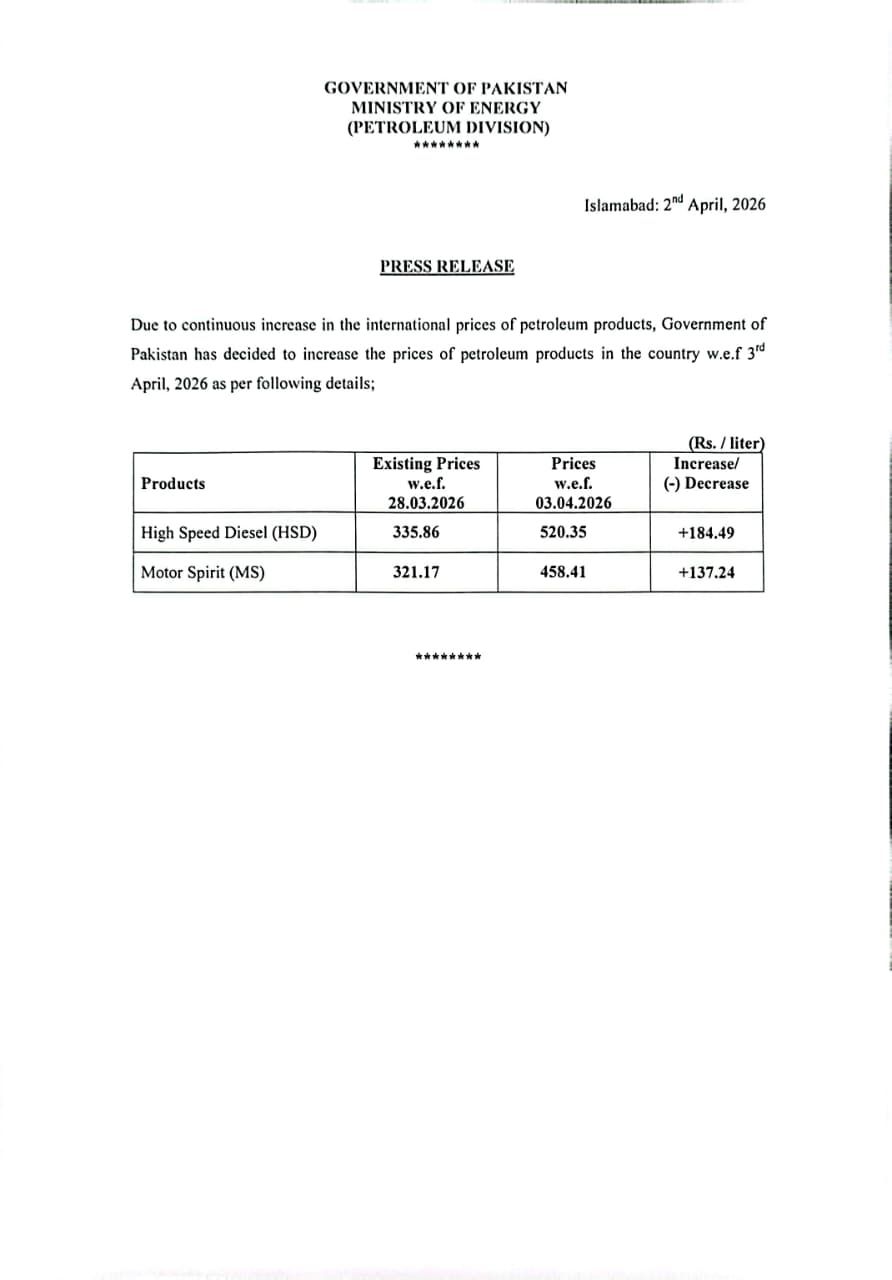
While the government has proposed a “targeted subsidy model” to shield the absolute lowest-income segments, the move effectively abandons the middle class. By raising petrol to PKR 458, the administration is attempting to stem the haemorrhaging of forex reserves used for oil imports, but it is doing so at the cost of a domestic inflation shock that analysts describe as “imminent and catastrophic”.
The most devastating impact of this “great fuel price hike” will be felt in the supply chain. With diesel—the primary fuel for trucks, tractors, and public transport—touching PKR 520, the cost of every essential commodity is set to spike.
As transport costs for agricultural produce rise, the price of staples like flour, milk, and vegetables will follow suit. Higher diesel costs will lead to a cascading increase in power tariffs and industrial production costs, further eroding the competitiveness of Pakistani exports. For millions of commuters, the daily cost of travel is expected to double, leading to fears of nationwide civil unrest and “spontaneous protests” across major urban centres like Karachi, Lahore, and Islamabad.
Top PPP sources indicate that this is not a temporary price fluctuation but a signal of “deep structural distress”. The government’s inability to find an alternative to IMF-mandated austerity has left it with no choice but to pass the entire burden of global energy volatility and currency devaluation onto the citizen.
April 03, 2026, 01:25 IST
Read More
Source link
[ad_3]

