
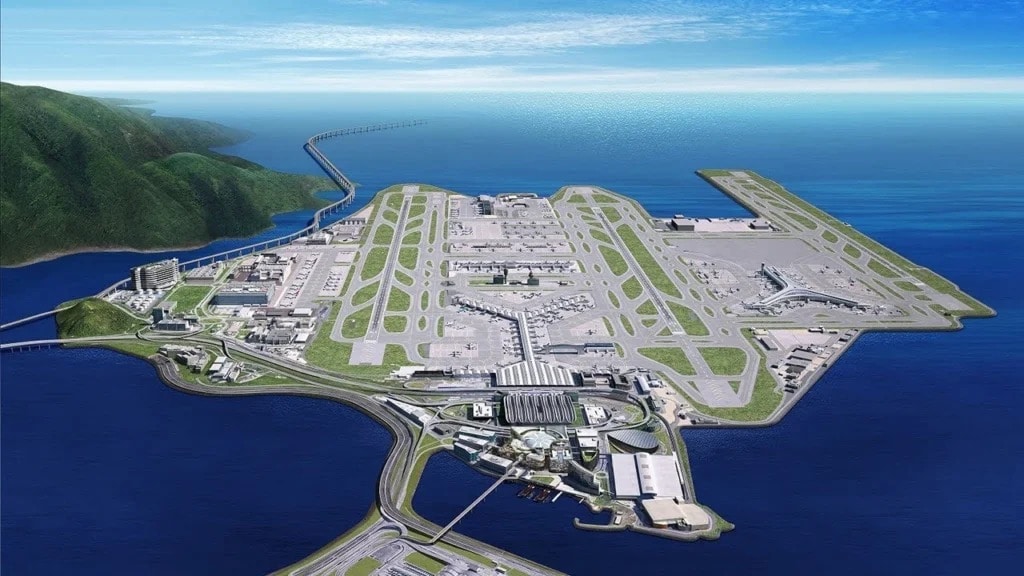
India may get its first offshore airport soon. The pre-feasibility study of the Vadhavan Airport, just next to the upcoming Vadhvan Deep Sea Port, is expected to be completed by May 2026. The proposed greenfield airport, the third one in the Mumbai Metropolitan Region (MMR), aims to ease congestion at the existing airports of the financial capital.
The pre-feasibility study will put forward the exact location, size, number of runways, and other features for this airport. The study began in mid-2025. Grant Thornton and Nippon Koei India are leading the research for the Maharashtra Airport Development Company. The study is expected within six to nine months, and after that, groundwork could start sometime in 2026, making Vadhavan Mumbai’s third major airport after Navi Mumbai and Chhatrapati Shivaji Maharaj International.
The Vadhavan airport is planned as an offshore facility that will be built on reclaimed land. It will integrate sea, air, rail, and road transport to support passengers and cargo linked to the deep seaport nearby. The infrastructure will also focus on nearby logistics hubs like Bhiwandi as well as the India-Middle East-Europe Economic Corridor (IMEC). The project will boost regional trade and enhance India’s container handling by 23.2 million TEUs via the port. It will align with major infrastructure like the Mumbai-Ahmedabad Bullet Train.
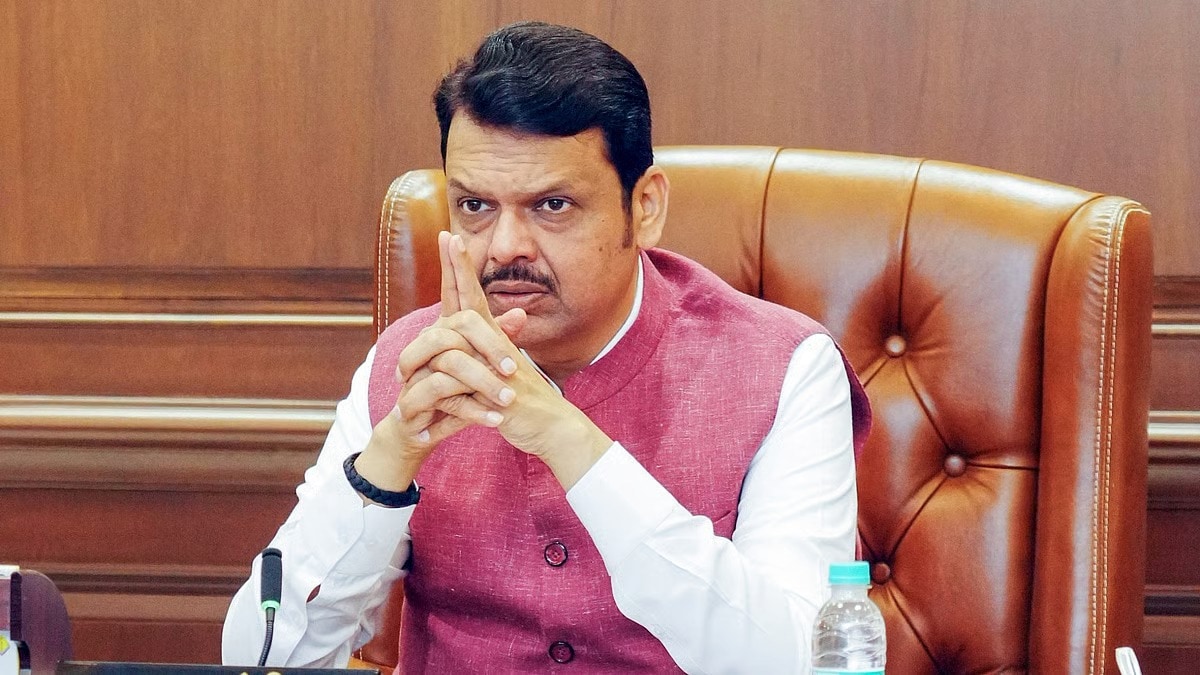
Maharashtra Chief Minister Devendra Fadnavis hinted in July 2025 that groundwork for the Vadhavan Airport could start by 2026, depending on the completion of the pre-feasibility study and submission of the Detailed Project Report (DPR). Full construction will need funding, clearances, and favourable study outcomes post the DPR. The project, which integrates with the Vadhavan Port development, remains in planning stages as of now.
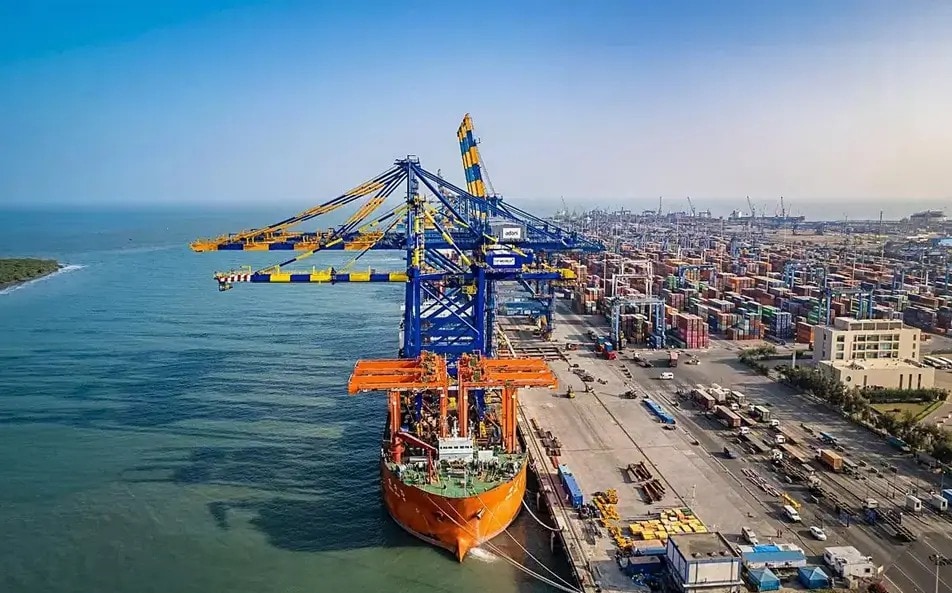
Vadhavan Port is also not operational or fully ready as of December 2025. A greenfield deep-draft seaport, the infrastructure is under development in Maharashtra’s Palghar district, about 150 km north of Mumbai. The port is managed by the Jawaharlal Nehru Port Authority (JNPA) via a special purpose vehicle alongside the Maharashtra Maritime Board.
Construction is underway on the Vadhavan Port. The foundation stone was laid by Prime Minister Narendra Modi on August 30, 2024. The project is targeting a capacity of 298 million metric tons per annum, including 23.2 million TEUs of containers. The first phase of construction aims for a capacity of 6.85-10 million TEUs by 2029-2030. The project, worth Rs 76,220 crore, spans 17,471 hectares and supports diverse cargo such as Ro-Ro, dry bulk, and liquid.
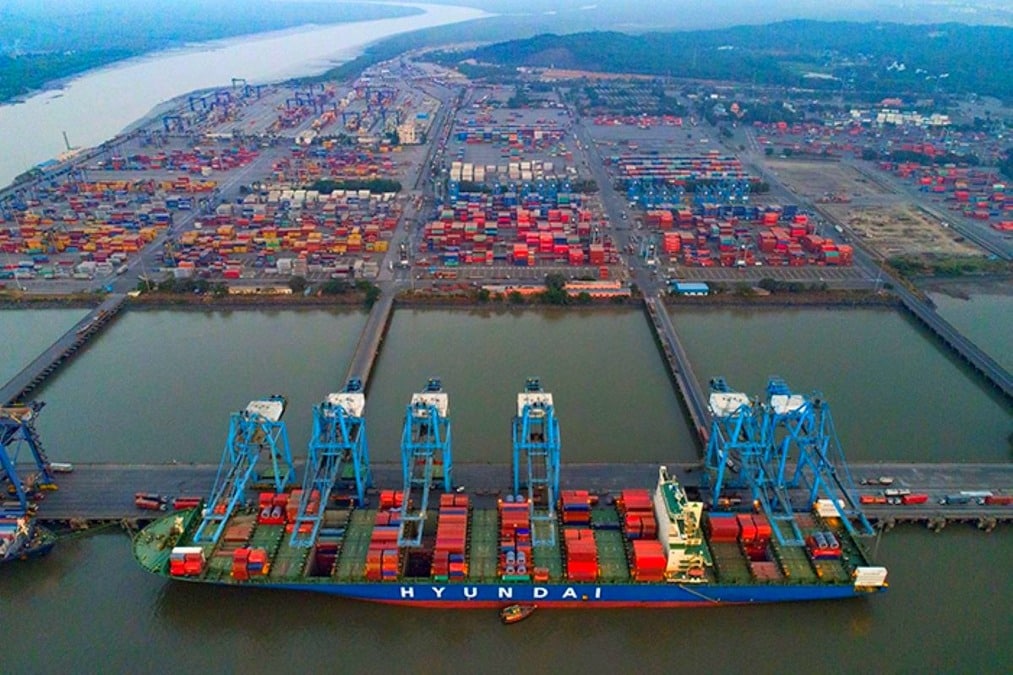
The Phase 1 construction started with initial works like shore protection. Recent developments include approval of connectivity via rail/road, such as a 105-km freight corridor to the Samruddhi Expressway. The first phase is expected to finish by 2029-30, with Phase 2 targeting a 2035-2040 timeline. The Vadhavan Port will have nine 1,000-meter container terminals, four liquid cargo berths, four multipurpose berths (including coastal), a Coast Guard berth and one Ro-Ro berth, built on 1,448 hectares of reclaimed land.
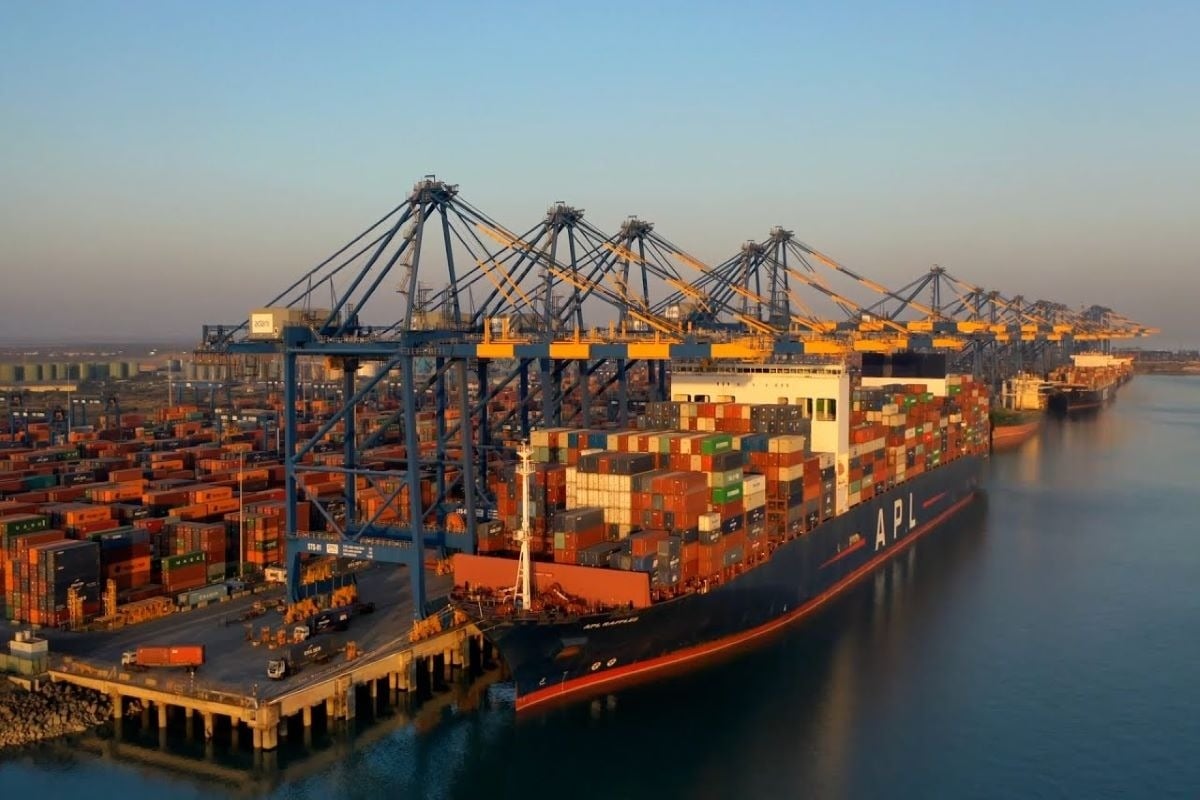
The infrastructure project is aimed at decongesting Mumbai’s overburdened Jawaharlal Nehru Port Trust. The Vadhavan Port will handle massive cargo volumes, improving trade efficiency and reducing logistics costs for the Mumbai Metropolitan Region (MMR). It will enable direct calls by mega container ships as well as cut transshipment reliance on foreign hubs such as Singapore.
Areas like Palghar, Boisar, Virar, Dahanu, Boisar, and Manor are seeing a jump in land values due to demand for residential, industrial, commercial, and warehouse spaces, with plots near highways going up to Rs 500 per sq ft. Developers such as Godrej are launching plotted projects (beginning at Rs 79.99 lakh), amid infrastructure upgrades, but investors should verify titles and clearances before investing.
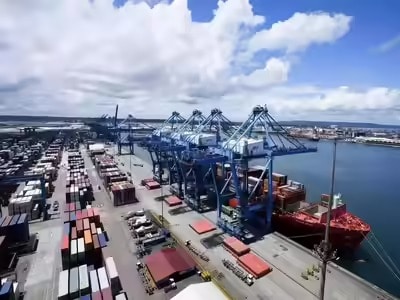
Vadhavan Port is projected to result in 10-12 lakh direct and indirect jobs. The project will primarily benefit Palghar locals but also offer opportunities for Greater Mumbai residents in logistics (warehousing, trucking), port operations (cargo handling, berthing), manufacturing clusters (32 industries like chemicals, textiles), construction and ancillary services (medical facilities, markets), during Phases 1-2.
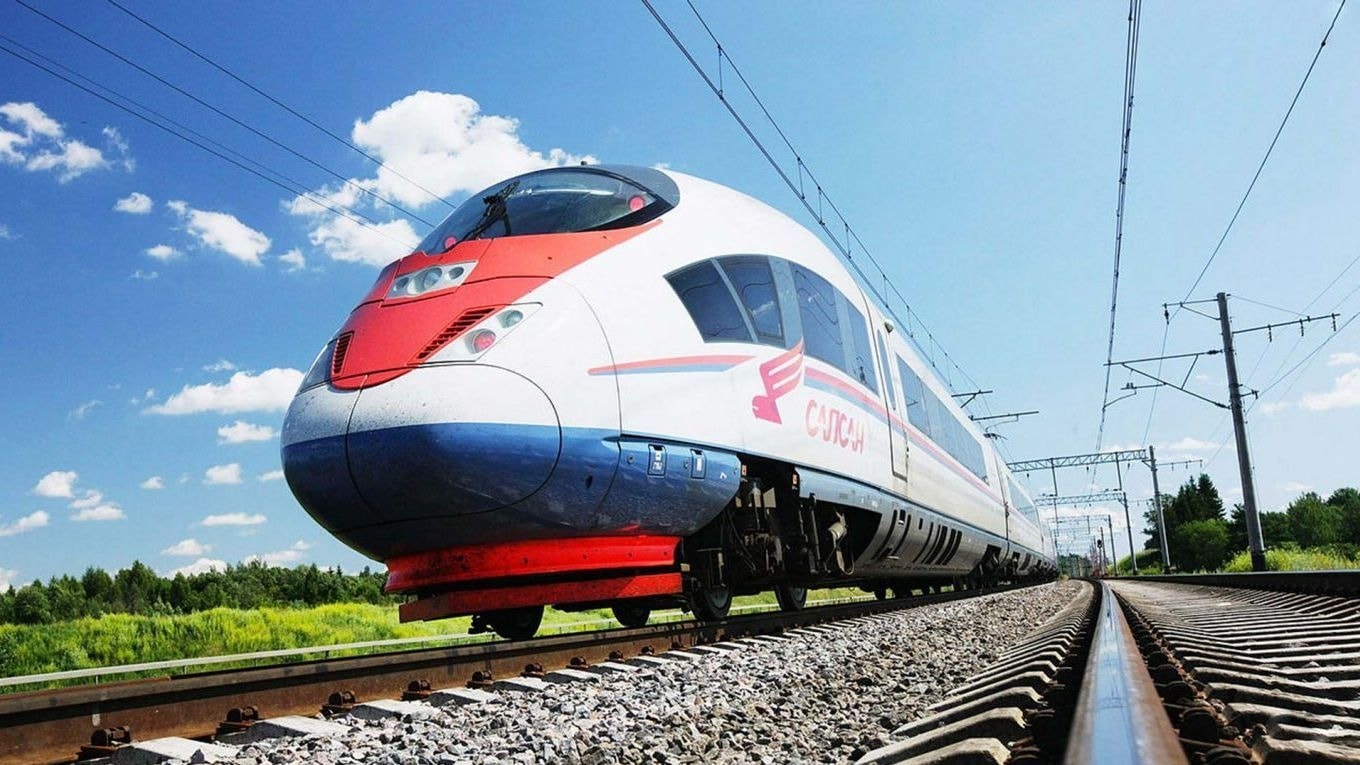
The port’s proximity connects it with freight corridors, the Mumbai-Ahmedabad Bullet Train and the Coastal Road extension to Virar-Dahanu, simplifying daily commutes for white-collar workers in the management, engineering, and finance sectors. Officials state that applications must be directed to Vadhvan Port Project Ltd to reduce the possibility of scams.
Source link
[ad_3]

