
Last Updated:
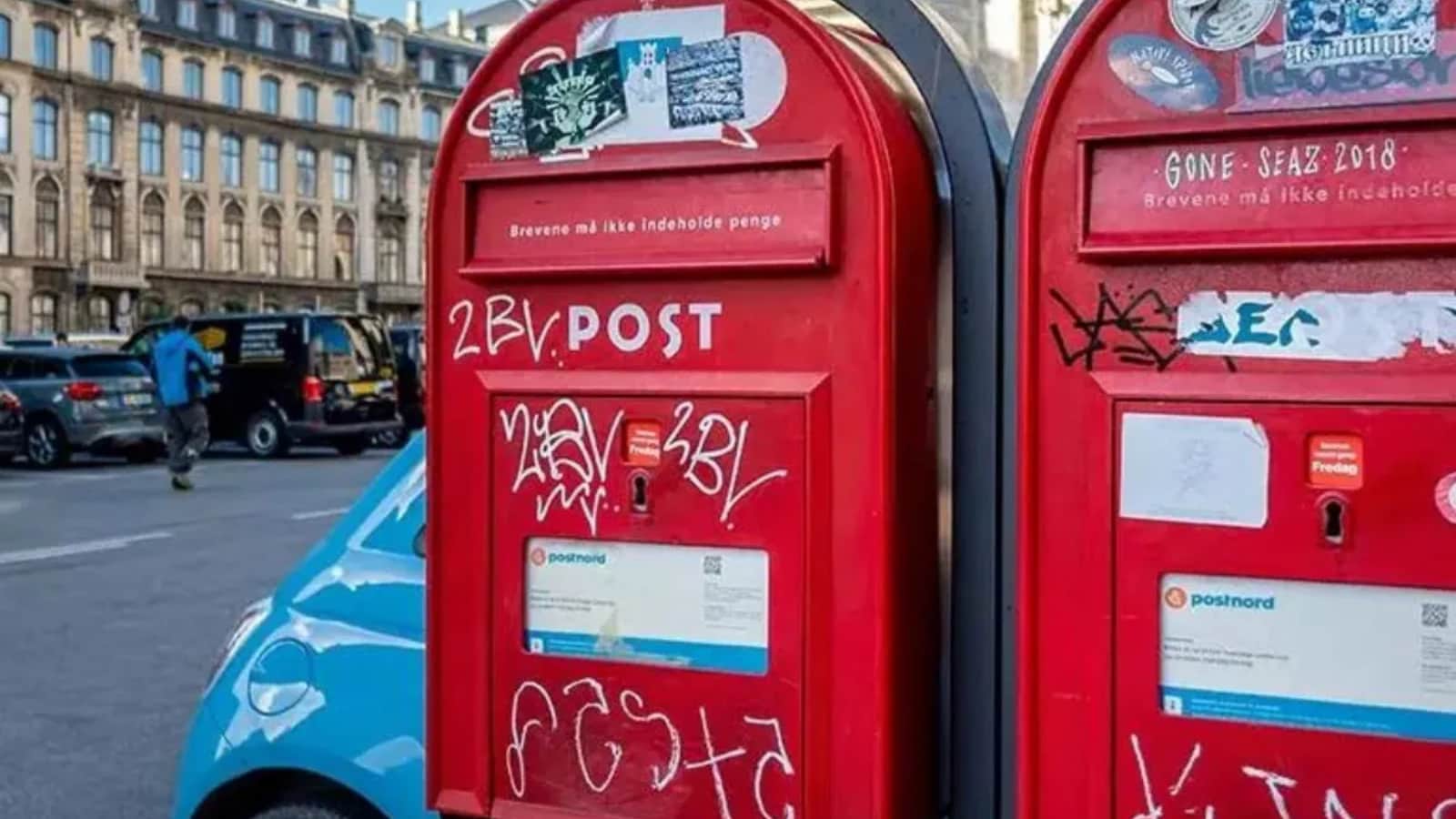
Denmark has removed nearly 1,500 mailboxes, and PostNord has laid off about 1,500 of its 4,600 employees. As letters disappear, the question is: which country will follow next?

Denmark’s postal market is no longer profitable due to near-total digital adoption.
Denmark’s national postal service, PostNord, has officially stopped delivering letters across the country from December 30, 2025, making Denmark the first nation in the world to take this step. International mail services were also discontinued from December 31. The move reflects a dramatic shift in communication habits, as citizens now rely almost entirely on smartphones, email, and digital platforms.
In a statement released in March 2025, PostNord revealed that letter volumes in Denmark have fallen by more than 90% since 2000. With handwritten letters now almost extinct, the traditional postal model has become financially unsustainable.
Parcel Services To Continue, Letter Era Ends
PostNord will now focus exclusively on parcel delivery, catering mainly to the booming e-commerce sector. As part of this transition, all 1,500 public mailboxes across Denmark have been removed.

The restructuring has come at a heavy cost: out of 4,600 PostNord employees, around 1,500 would reportedly lose their jobs.
This decision marks the end of a significant chapter in Denmark’s 200-year-old modern postal service, as the country accelerates its move towards a fully digital society.
Why Denmark Took This Step
Denmark’s postal market is no longer profitable due to near-total digital adoption. Officials say the decline in letter writing left no economic justification for maintaining nationwide letter delivery.
However, Denmark is not alone. Postal services around the world are facing similar pressures, raising a key question: which country will be next?
Nordic Countries Already Cutting Back
Several nations are already moving in this direction:
- Sweden and Norway now deliver letters only two or three days a week
- In Finland, the rapid adoption of digital mailboxes has pushed traditional postal services into heavy losses
These countries are among the global leaders in digital transformation, making physical mail increasingly redundant.
Postal Crisis In Canada And The US
Canada Post has been struggling financially for years. The country follows a ‘community mailbox’ model, where mail is collected from shared neighbourhood boxes rather than delivered door to door. In the future, Canada’s government postal service may be limited to parcels and business mail only.
Even the United States, home to the world’s largest postal service, is witnessing a sharp decline. Compared to 2006, letter volumes in the US had fallen by 50% by 2024.
India Tells A Very Different Story
India stands in sharp contrast to Denmark and other Western nations. While letter volumes have declined, India Post is reinventing itself as a logistics and banking powerhouse, rather than shrinking.
Sales of postcards, inland letters, and envelopes have dropped significantly. Postcards priced at 50 paise are still used in rural areas and government campaigns, but personal use is now almost negligible.
The steepest fall has been in inland letters, largely replaced by smartphones and WhatsApp.
What Still Keeps India Post Relevant
Despite the decline in personal correspondence, certain services remain strong:
- Envelopes are still widely used for official documents, court papers, and festive mail such as Rakhi
- Speed Post and registered letters have seen steady growth
Official data shows that in 2024-25, revenue from Speed Post and registered letters rose to around Rs 2,353 crore. Delivery of passports, Aadhaar cards, bank documents, cheque books, and government notices continues to rely heavily on India Post.
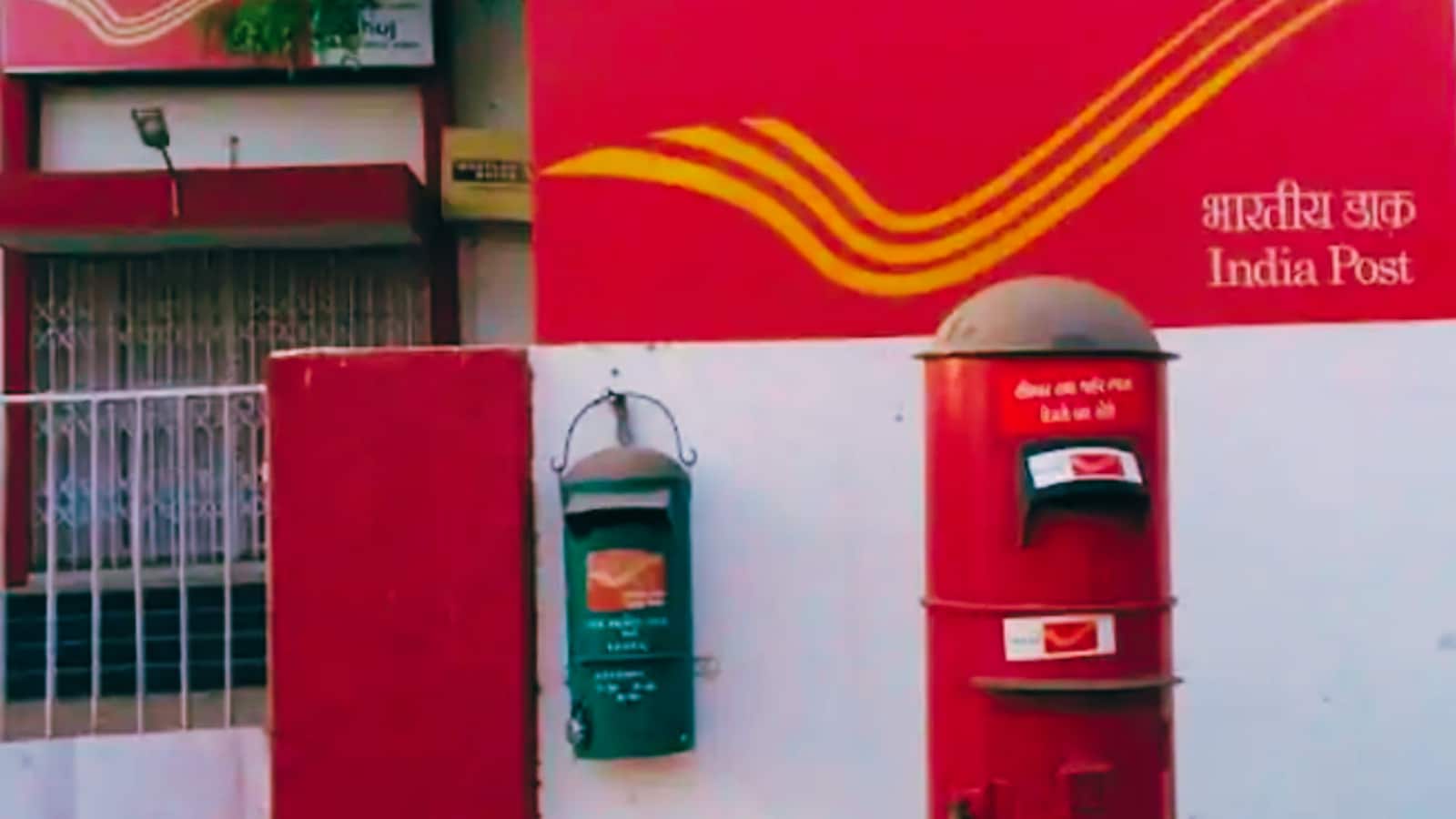
Since September 2025, the old ‘registry’ system has been merged with Speed Post, with a renewed focus on real-time tracking services.
No Immediate End To Letters In India
There is no indication that letter services will end in India anytime soon. Rural populations still depend heavily on the postal network. The government’s long-term strategy is to transform India Post into a nationwide logistics powerhouse, capable of reaching every village.
From January 2026, India Post has introduced 24-hour and 48-hour guaranteed delivery services to compete directly with private courier companies.
Birth Of The Modern Postal System
The modern postal system is believed to have originated in Britain in 1840, when Sir Rowland Hill introduced the world’s first postage stamp, the ‘Penny Black’.
Despite digital dominance today, efforts are underway globally to preserve the tradition of handwritten letters.
Campaigns Keeping Letter Writing Alive
Several initiatives worldwide continue to promote handwritten correspondence:
- ‘धाई अखर’ Letter Writing Competition organised annually by India Post, with this year’s theme: ‘The Joy of Writing: The Importance of Letters in the Digital Age’. Cash prizes go up to Rs 25,000 at the circle level and Rs 50,000 nationally.
- World Letter Writing Day, observed on September 1, launched in 2014 by Australian author Richard Simpkin
- Postcrossing, a global postcard exchange project
- ‘The World Needs More Love Letters’, which sends handwritten messages to people facing illness, loneliness, or hardship
- Amnesty International’s ‘Write For Rights’, the world’s largest human rights letter-writing campaign.
Amnesty International believes that thousands of handwritten letters exert greater pressure on governments than digital emails.
Why Handwritten Letters Still Matter
Writing letters by hand offers several benefits:
- It slows the mind and works like meditation
- Research shows handwriting improves memory and creativity
- Unlike digital messages, letters can be preserved for decades
The World’s Largest Post Office Building
The Old Chicago Main Post Office in the US is the world’s largest post office building, covering around 2.5 to 2.8 million square feet. Construction began in 1921 and expanded in 1932.
Vacated in 1997, the building lay abandoned for nearly two decades before undergoing a massive renovation costing around $800 million (approximately Rs 6,600 crore). Today, it serves as a major business hub housing companies such as Uber, Walgreens, PepsiCo, Cisco, and Ferrara Candy.
January 05, 2026, 1:06 PM IST
Read More
Source link
[ad_3]

