
Despite UPI’s overwhelming popularity, ATM withdrawals remain essential. You probably use an ATM often, but have you ever wondered what happens if you press the cancel button twice? This question has sparked a wave of discussion across social media, prompting users to share their own theories — so here is the verified information.
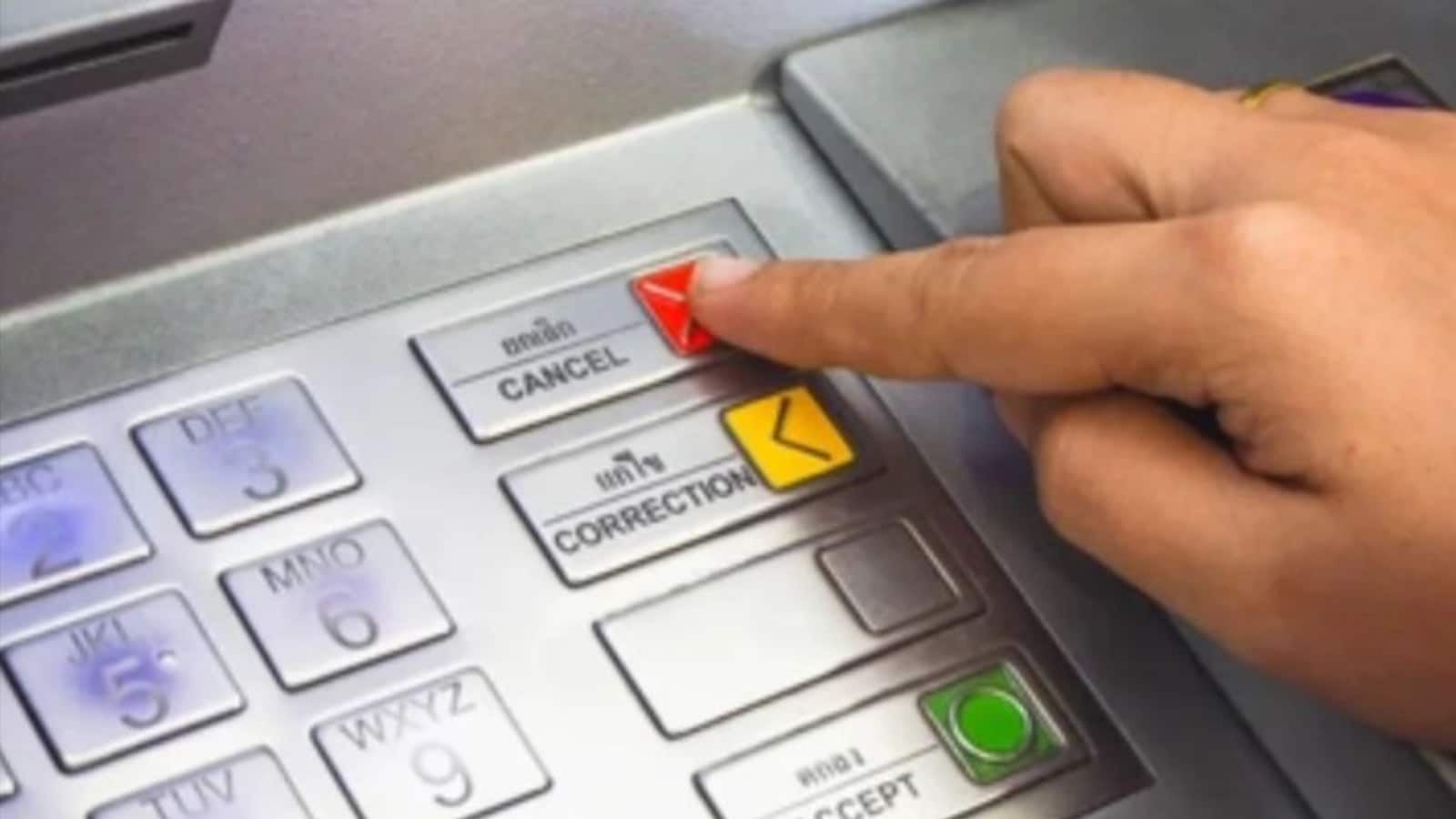
A claim circulating on popular platforms suggests that pressing the ‘cancel’ button twice before entering your PIN can protect you from fraud. Viral messages on Facebook and WhatsApp allege that this trick can stop hackers, arguing that ATM fraud is increasing in the digital age and that understanding the role of the cancel button is crucial.
According to these viral posts, pressing ‘cancel’ twice before inserting your card supposedly prevents scammers from stealing your PIN and blocks thieves who may have tampered with the machine. The message insists this tactic can foil hacking attempts.
The rumour spread so widely that the government had to intervene. In its fact-check, PIB confirmed that the claim is completely baseless. Citing the government and the RBI, it clarified that the message is entirely false and should be ignored.
The RBI further stated that it has issued no such advisory. The cancel button exists solely to stop a transaction if you make a mistake or wish to exit the process, nothing more. It has no connection whatsoever to PIN theft or hacking.
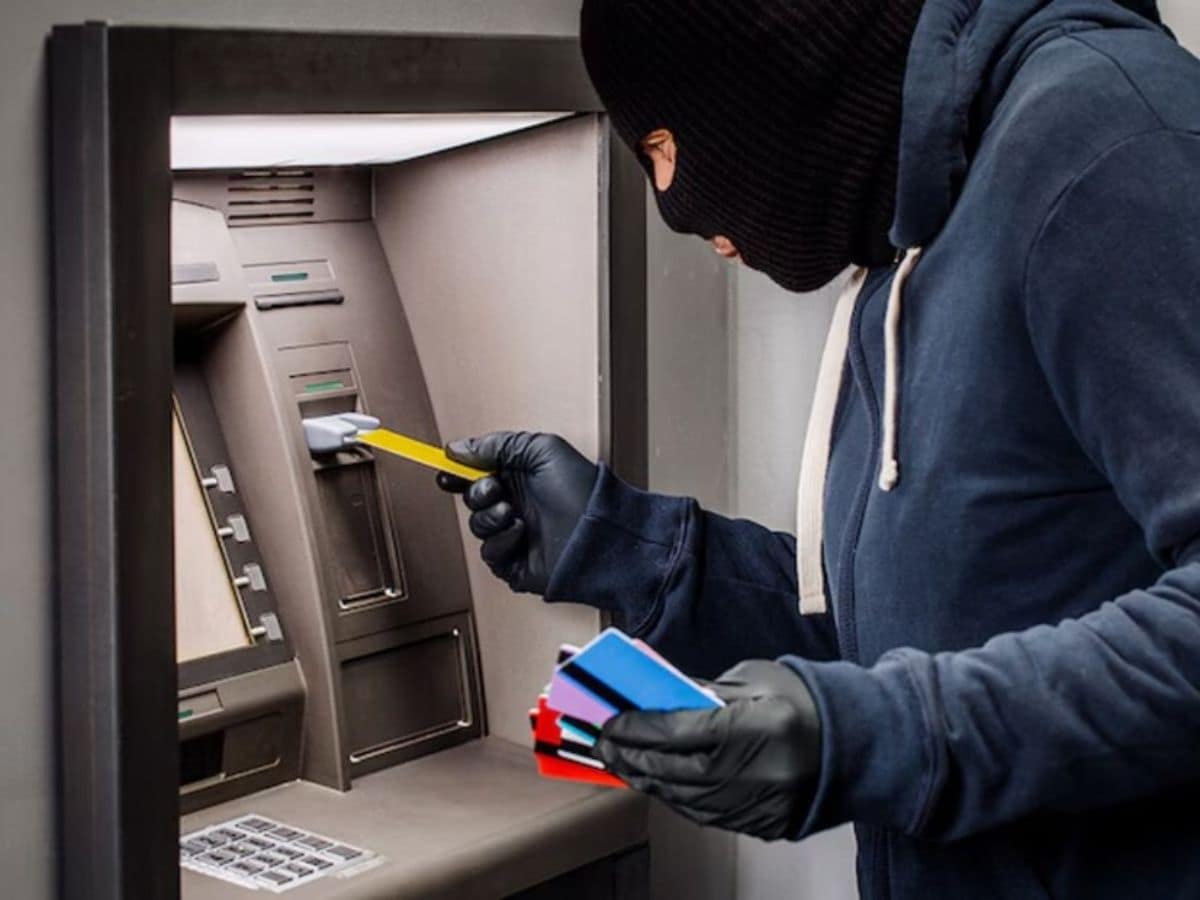
Many people have asked whether debunking this theory means ATM fraud does not exist. Unfortunately, that is not true. Cases of card skimming and keypad tampering have been recorded frequently. Fraudsters attach devices to the card slot or manipulate the keypad to capture your card details and use them for phishing or unauthorised withdrawals.
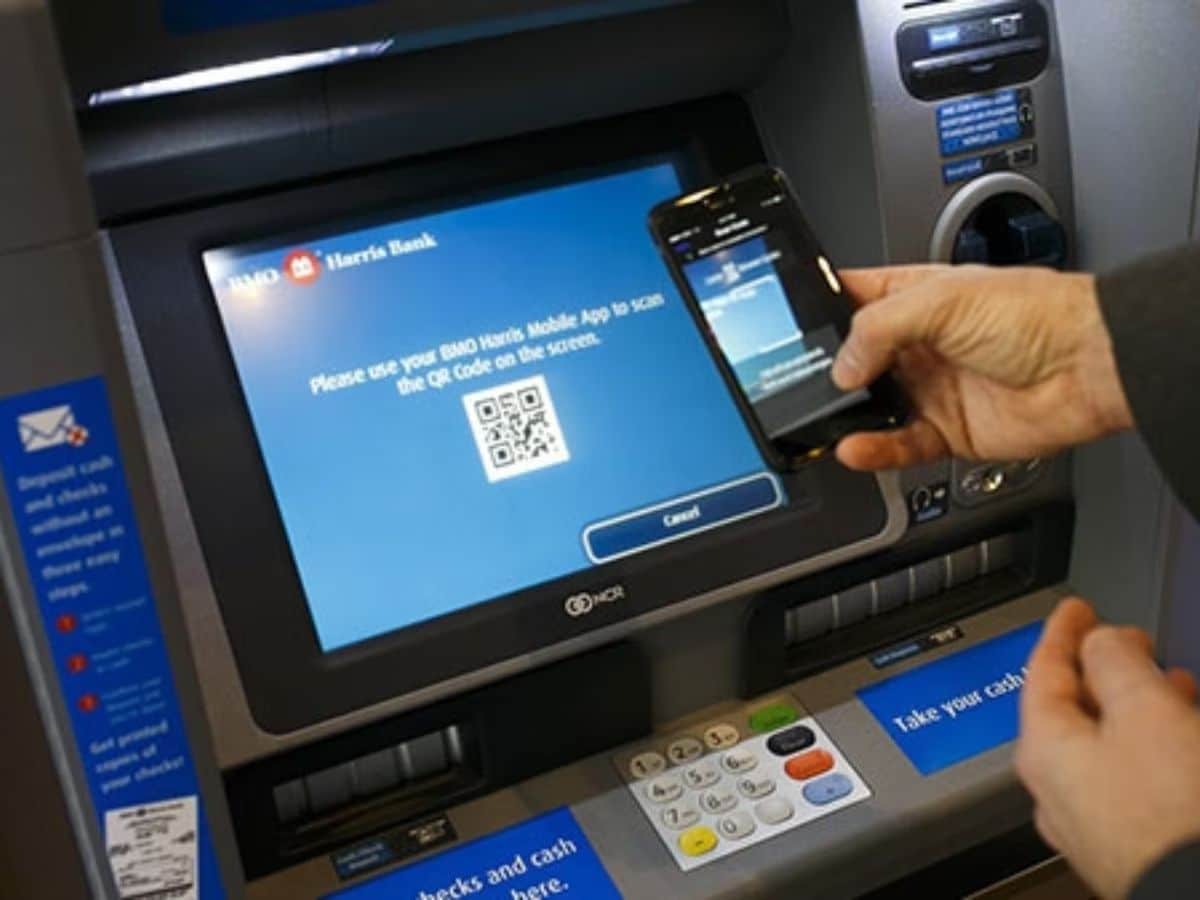
While the cancel button cannot protect you, you can avoid ATM fraud by inspecting the card slot and keypad before inserting your card. If anything looks loose, unusual, or tampered with, step away, report it to your bank, and use another ATM.
Other precautions are equally important. Enable SMS and email alerts so you receive instant notifications of ATM withdrawals. Change your PIN every three to six months, and avoid obvious combinations such as 1234 or 2222.

If your card is lost, stolen, or trapped in the machine, contact your bank immediately and have it blocked. And never ask a stranger for help at an ATM as the risk of fraud is far too high.
Source link
[ad_3]

