
Last Updated:
The park’s inclusion on UNESCO’s official website highlights its global importance, showcasing some of the earliest known evidence of life on Earth.
Salkhan Fossils Park in UP’s Sonbhadra.
Uttar Pradesh’s Sonbhadra district has gained international recognition as the Salkhan Fossils Park, dating back 1.4 billion years, has been added to UNESCO’s Tentative List of World Heritage Sites. This is a significant step towards achieving full UNESCO World Heritage Site status, anticipated within the next two years.
The park’s inclusion on UNESCO’s official website highlights its global importance, showcasing some of the earliest known evidence of life on Earth.
State’s Push for Global Eco-Tourism
The state’s Eco-Tourism Development Board, under the directives of the Chief Minister, is preparing a comprehensive dossier for submission to the Government of India. This nomination document will be crucial for the final bid to secure permanent recognition.
Principal Secretary of Tourism Mukesh Meshram noted, “This achievement is the result of the government’s persistent efforts to bring Uttar Pradesh’s natural heritage to the global forefront.” This milestone comes shortly after the state introduced Vistadome coaches for scenic train journeys between Katarniaghat Wildlife Sanctuary and Dudhwa Tiger Reserve.
Fossils from the Ancient Vindhyan Sea
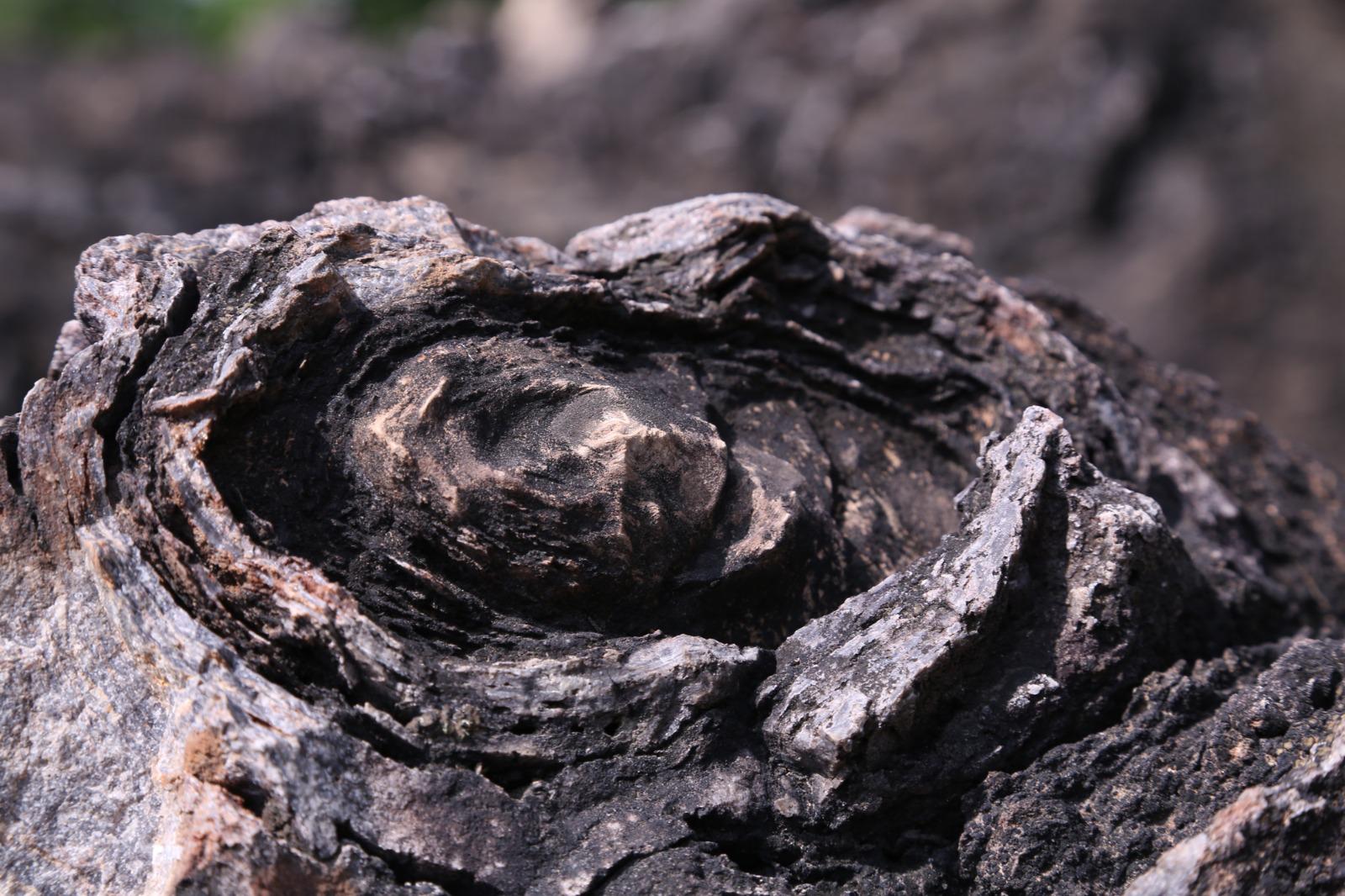
Salkhan Fossils Park, located near Salkhan village, about 15 km from Robertsganj in Sonbhadra, spans 25 hectares and houses exceptionally well-preserved stromatolites—layered microbial formations in sandstone—dating back around 1.4 billion years. These fossils were formed when the region was submerged under the ancient Vindhyan Sea.
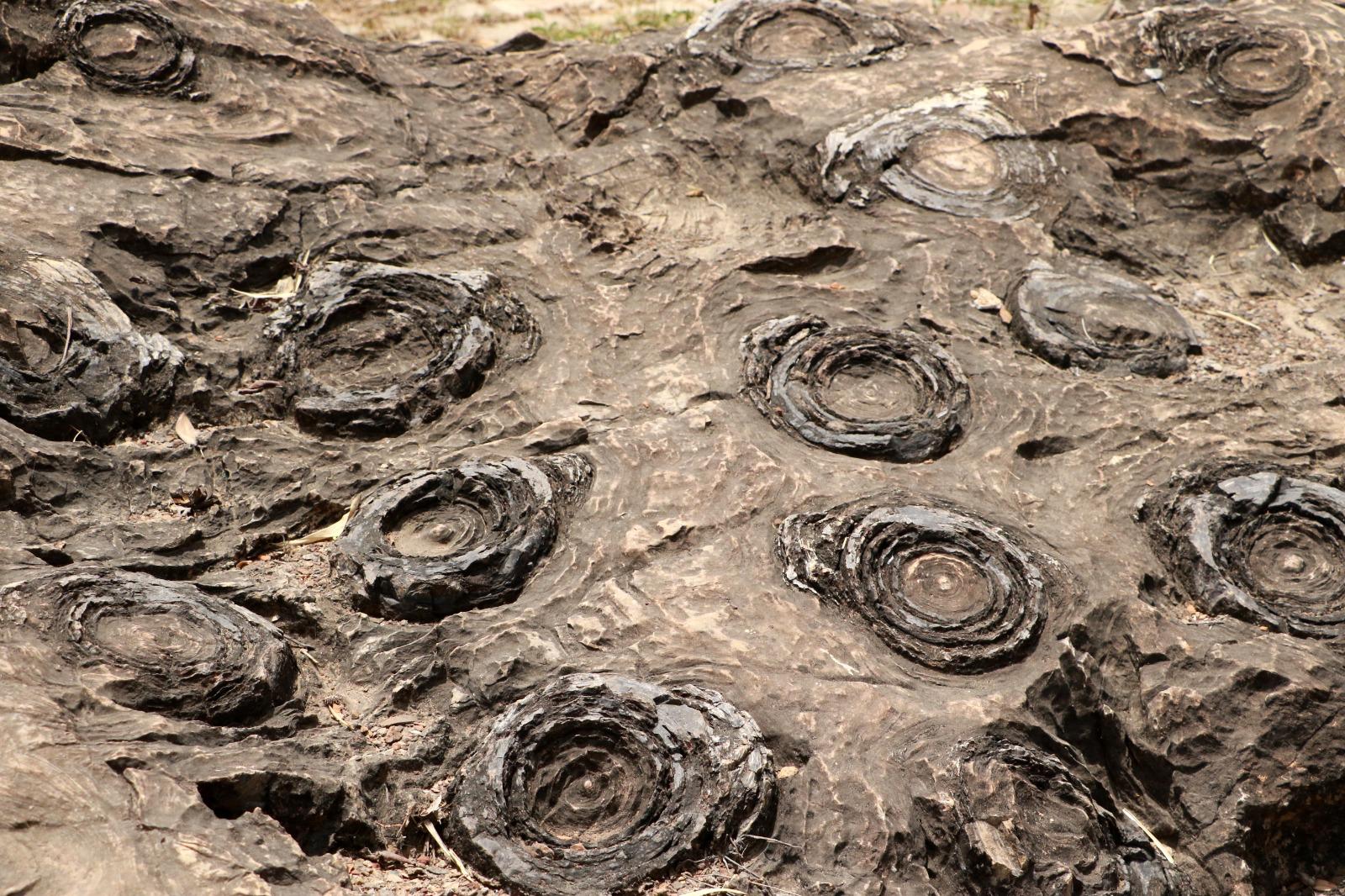
A significant step towards UNESCO nomination involved the signing of an MoU on June 26, 2024, between the Uttar Pradesh Eco-Tourism Development Board and the Birbal Sahni Institute of Palaeosciences (BSIP), Lucknow. BSIP’s scientific investigation confirmed the presence of stromatolites and blue-green algae fossils, reinforcing the park’s case for global recognition.
Scientific Significance and Global Comparisons
Prof Vaibhav Srivastava from Banaras Hindu University’s Department of Geology highlighted the scientific importance: “Previously, it was believed that life did not exist before 570 million years ago. However, discoveries here and in Yellowstone National Park have reshaped that understanding. Salkhan’s fossils represent one of the oldest signs of life ever discovered.” Prof. Srivastava, who led a multinational geological team to the park in 2022, emphasised the educational and academic value of the site. “It’s a vital resource for the scientific community and students, offering a direct glimpse into Earth’s history,” he added.
Geologist Prof M Sharma, former officiating director of BSIP, noted that stromatolites were first discovered at the site in 1933 by JB Auden of the Geological Survey of India. Sharma’s team later confirmed the presence of akinetes—spores formed in hostile environments—indicating how ancient life survived in harsh conditions. “These structures not only date back over a billion years, but they also reveal how life evolved under adversity,” he said. Geologists Prof BP Singh and Prof Umashankar Shukla of BHU stated that since Auden’s discovery, numerous global researchers have visited and studied the site, making it one of the most researched fossil beds in India.
What Makes Salkhan Unique Globally
Director of Tourism Prakhar Mishra outlined the procedural roadmap: “Inclusion in the Tentative List is the initial step. Next, we submit a detailed dossier, followed by a UNESCO team’s site inspection. We are aiming for final inscription within two years.” He also mentioned a comparative study with other global fossil sites. “While fossils at Yellowstone (USA) are around 500 million years old, Mistaken Point and Joggins Cliffs in Canada are about 550 and 310 million years old respectively. In contrast, Salkhan’s stromatolites are 1.4 billion years old—making it one of the oldest bio-signature sites on Earth.”
On the Ground: Guarding Earth’s Deep History
Forest guard Shyam Sundar Gautam, who has been protecting the park for over two decades, recalled a team of scientists visiting in 2002. “They informed us that the fossils were extremely old. Since then, I’ve been here 24/7 to guard them,” he said. He observed that visitor numbers have grown from about 10 people a day to nearly 100, reflecting the increasing interest in this ancient site.
Eco-Tourism Meets Education and Preservation
Situated between the Kaimur Wildlife Sanctuary and the Vindhya mountain range, the park blends scientific significance with natural beauty. Its inclusion in the UNESCO Tentative List not only underscores its geological importance but also promises to enhance Uttar Pradesh’s status in the global eco-tourism arena.
- First Published:
Source link
[ad_3]


