
India’s space industry is set to get a boost, with the Indian National Space Promotion and Authorisation Centre (IN-SPACe) offering funding worth Rs 67.15 crore to four more domestic companies developing technologies for satellites and space missions.
The latest offers take the number of companies selected under IN-SPACe’s Technology Adoption Fund to seven. The first three companies were selected in June 2026 for projects involving rocket engines, satellite navigation and Earth observation.
The four latest selections are working on technologies ranging from new engines for small satellites to precision clocks and navigation chips.
“Through these technologies, India can build a more complete domestic space ecosystem, expand industry participation and create export opportunities for Indian companies,” said IN-SPACe Chairman Dr Pawan Goenka.
NEW ENGINES FOR SMALL SATELLITES
Mumbai-based Manastu Space has been offered Rs 22.08 crore to develop an engine for small satellites that uses solid iodine instead of xenon as fuel.
Iodine can be stored without the heavy, high-pressure tanks needed for conventional fuels, making the system easier to handle and potentially less expensive.
The technology is still being developed by only a handful of companies globally, and the project would mark its first development in India.
Inspecity Space Laboratories has been offered Rs 21.18 crore to develop a refillable engine for tiny satellites. The system will have a fuel port that allows satellites to manoeuvre in space and could eventually make refuelling and servicing possible.
HOMEGROWN CLOCKS AND NAVIGATION CHIPS
Bengaluru-based VyomIC has been offered Rs 12.55 crore to develop highly accurate and secure clocks, as precise timekeeping is essential for satellite navigation, and such clocks could also be used in satellite groups and deep-space missions.
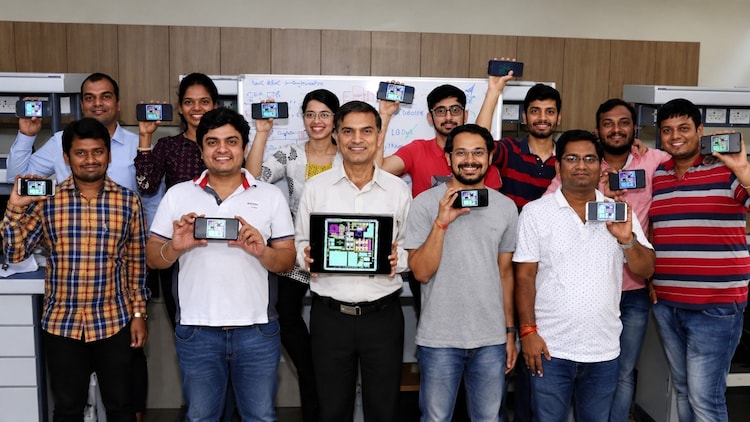
MumbaiSemi has been offered Rs 11.34 crore to develop a chip that can read signals from both GPS and NavIC, India’s satellite navigation system.
NavIC, developed by Isro, provides coverage across India and around 1,500 km beyond the country’s borders.
Goenka also highlighted the importance of building indigenous clocks and navigation chips to reduce dependence on foreign technology and strengthen India’s ability to develop and export space systems.
The funding will be released in stages against project milestones, with progress monitored as the companies work towards developing their technologies.
– Ends
Source link
[ad_3]

