
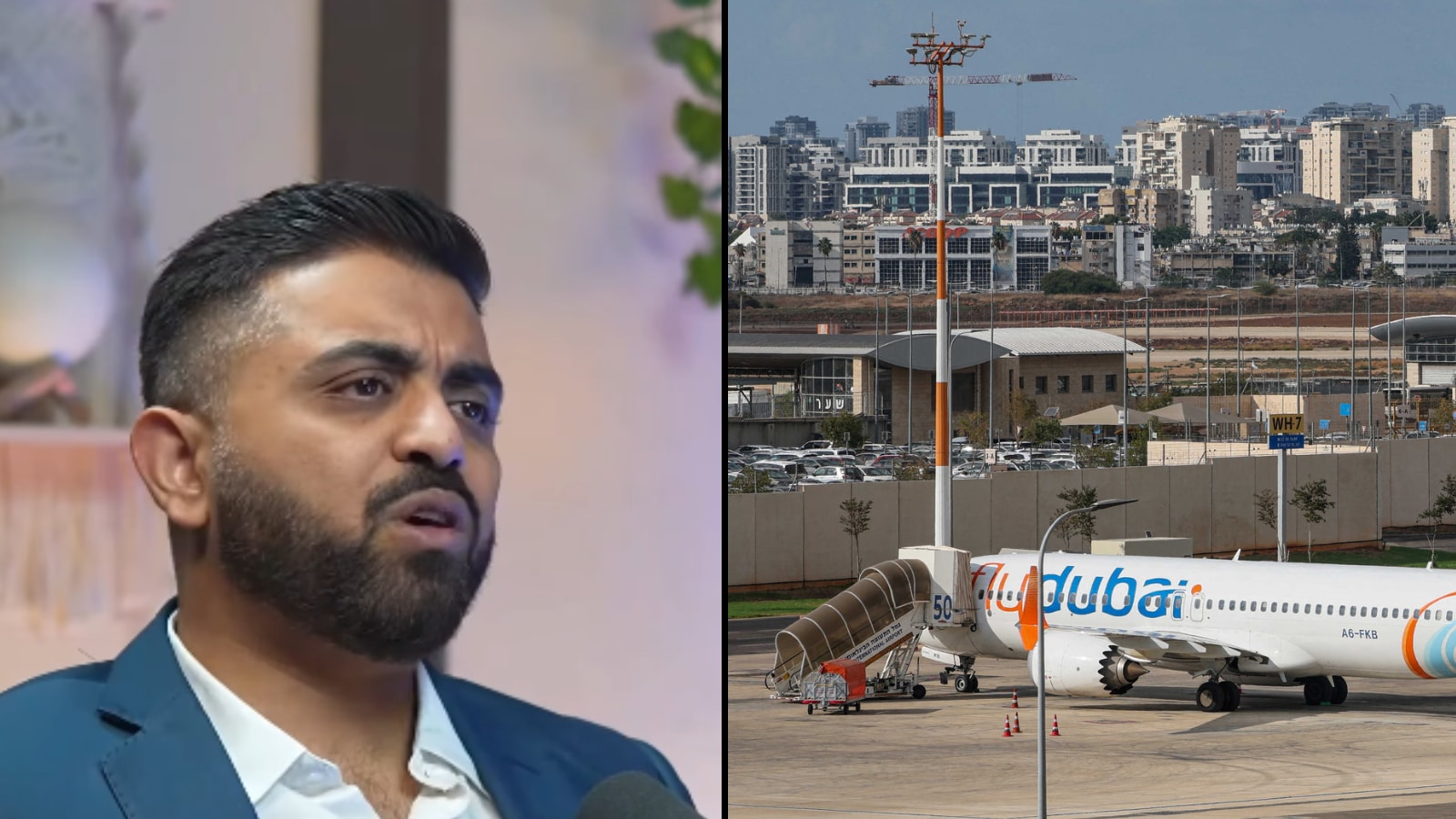
NEW DELHI: When Captain Smit Machchhar was stabbed by his co-pilot aboard a Flydubai flight on its way from Dubai to Tel Aviv, the danger was not simply an attack inside the cockpit. The Boeing 737 had entered a steep descent, leaving the captain injured while 174 people remained on board.

Despite his injuries, Machchhar managed to open the cockpit door, allowing passengers and other crew members to intervene and restrain the attacker. The aircraft was eventually diverted and landed safely at Tabuk in Saudi Arabia. Machchhar was hospitalised and remained stable. Indian and Israeli leaders publicly praised his actions. The incident has revived memories of other pilots and aviation professionals who found themselves facing extraordinary danger in the air or on the ground – and whose actions helped prevent an even greater loss of life.
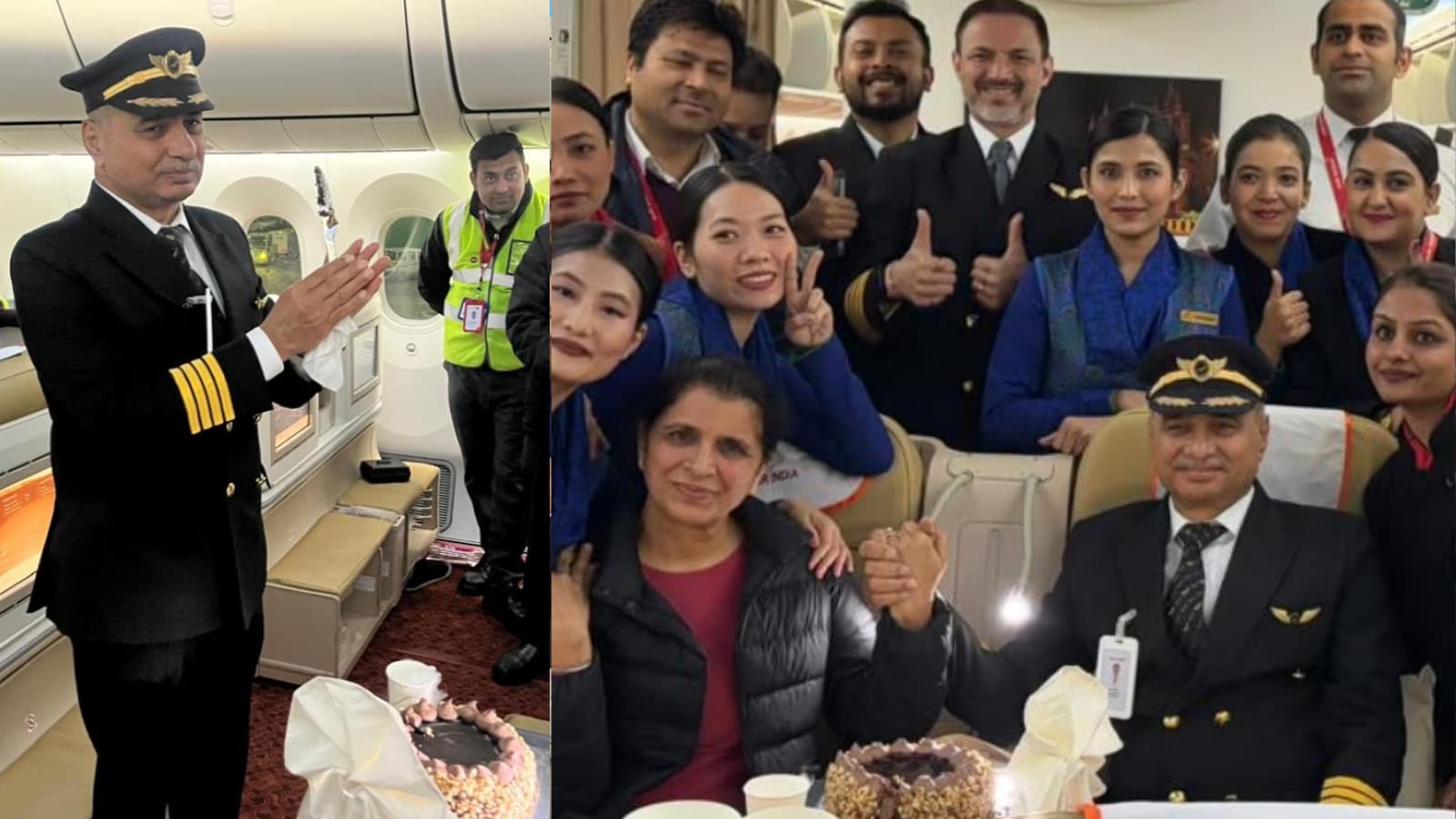
Captain Devi Sharan: One of the most harrowing examples in Indian aviation history remains the 1999 hijacking of Indian Airlines Flight IC 814. Captain Devi Sharan was at the controls when the Kathmandu-Delhi flight was hijacked on December 24, 1999, shortly after take-off.
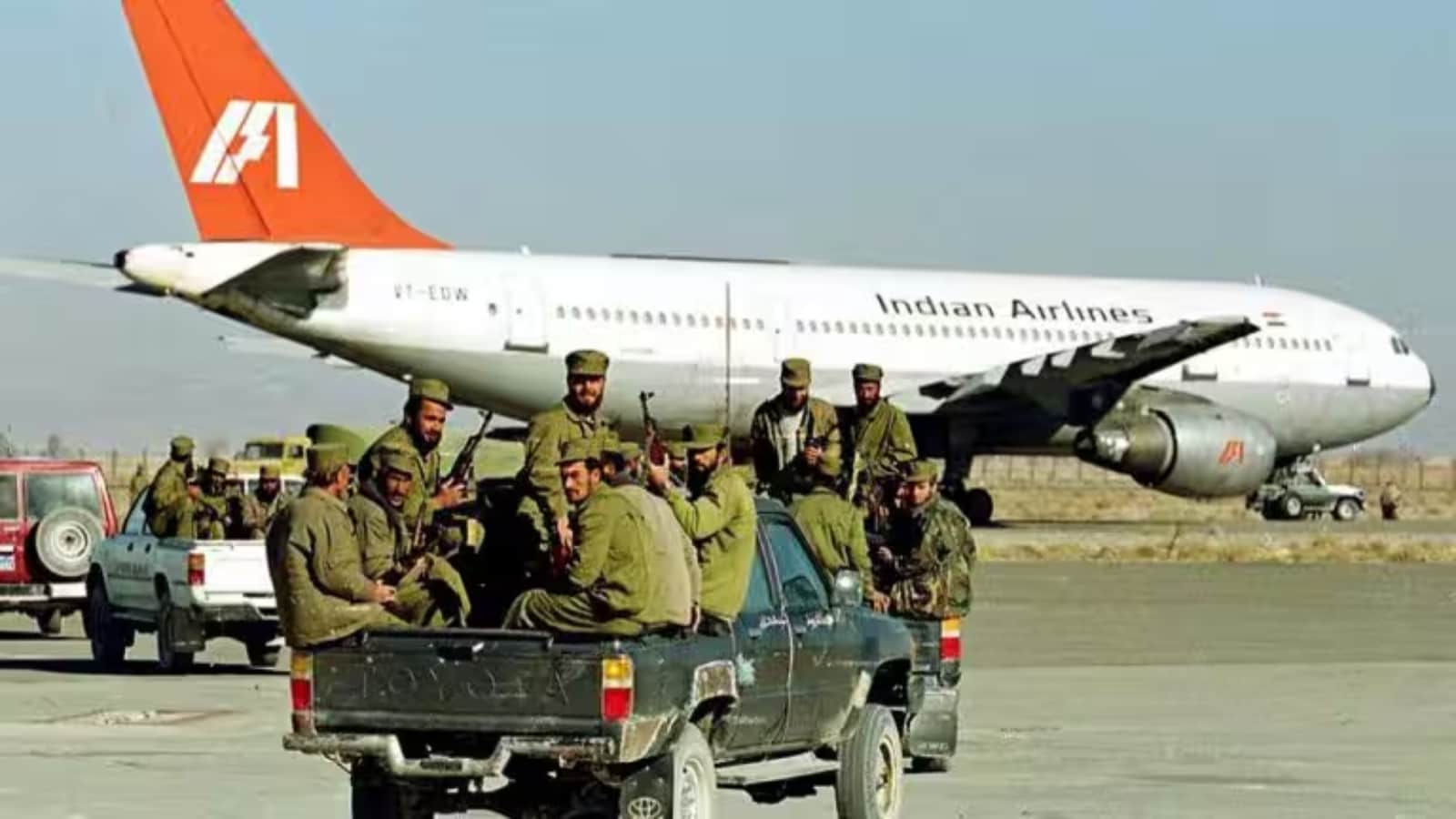
The aircraft, carrying 179 passengers and 11 crew members, was forced through a series of diversions before eventually reaching Kandahar in Taliban-controlled Afghanistan. Sharan later recalled that a gun was held to his neck during the ordeal. Yet he had to keep flying, negotiate with the hijackers and maintain enough calm in the cockpit to prevent the situation from spiralling further. A contemporary interview with Sharan described the enormous responsibility he carried during the seven-day crisis: he had to manage his own fear while ensuring that frightened passengers and volatile hijackers were not provoked into further violence. One passenger, Rupin Katyal, was killed during the hijacking. Eventually, the remaining hostages were released after the Indian government agreed to the release of three jailed militants. Decades later, Sharan’s role in the crisis remained part of his legacy. Air India honoured him when he retired in January 2025 after four decades as a pilot.
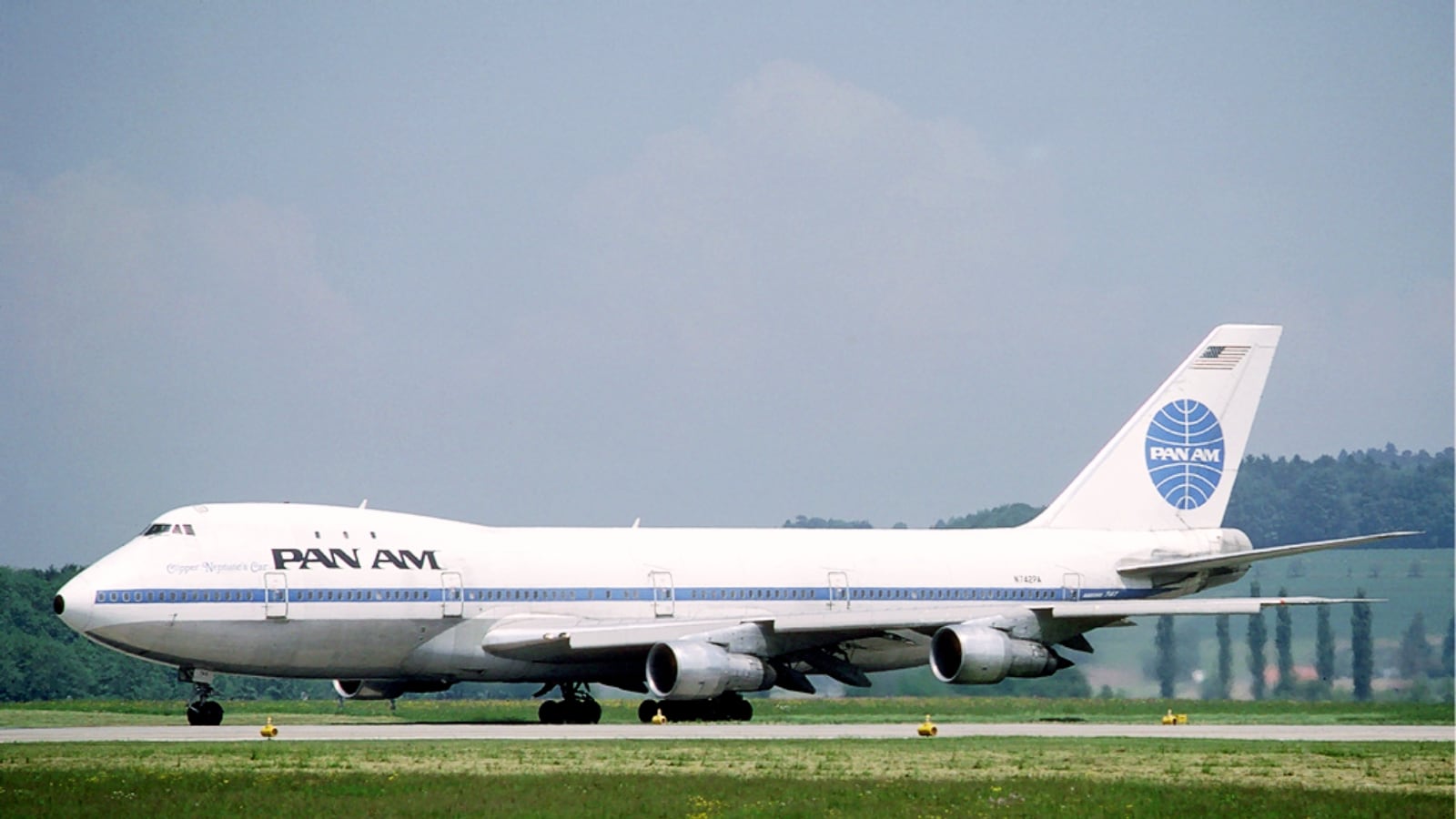
Neerja Bhanot: Although she was not a pilot, Neerja Bhanot’s name belongs in any account of extraordinary courage in aviation. On September 5, 1986, Pan Am Flight 73 was hijacked at Karachi’s Jinnah International Airport by four armed men. Bhanot, the senior flight purser, was among the crew members confronted with the attackers during the 17-hour ordeal.

Neerja Bhanot helped the cockpit crew escape, preventing the hijackers from taking control of the aircraft. She also hid passengers’ passports to make it harder for the gunmen to identify American passengers and helped open an emergency exit when the hijacking turned violent. When the hijackers opened fire, Bhanot helped passengers escape and was killed while shielding three children from gunfire. In 1987, she became the youngest and first woman recipient of the Ashoka Chakra, India’s highest peacetime gallantry award. Her story is different from Machchhar’s – but the central pressure was similar: a person responsible for others had to make decisions while facing an immediate threat to her own life.

Wing Commander Abhinandan Varthaman: The February 27, 2019 aerial engagement involving Wing Commander Abhinandan Varthaman was a military combat situation rather than a commercial aviation emergency. During the air engagement, Varthaman was tasked with intercepting Pakistani aircraft approaching the Line of Control. According to the official citation for his Vir Chakra, he identified an approaching threat, alerted other pilots and took part in the ensuing aerial combat. His MiG-21 Bison was subsequently hit, forcing him to eject over territory controlled by Pakistan. His ordeal did not end with the ejection. He was captured and held for two days before being returned to India on March 1, 2019.
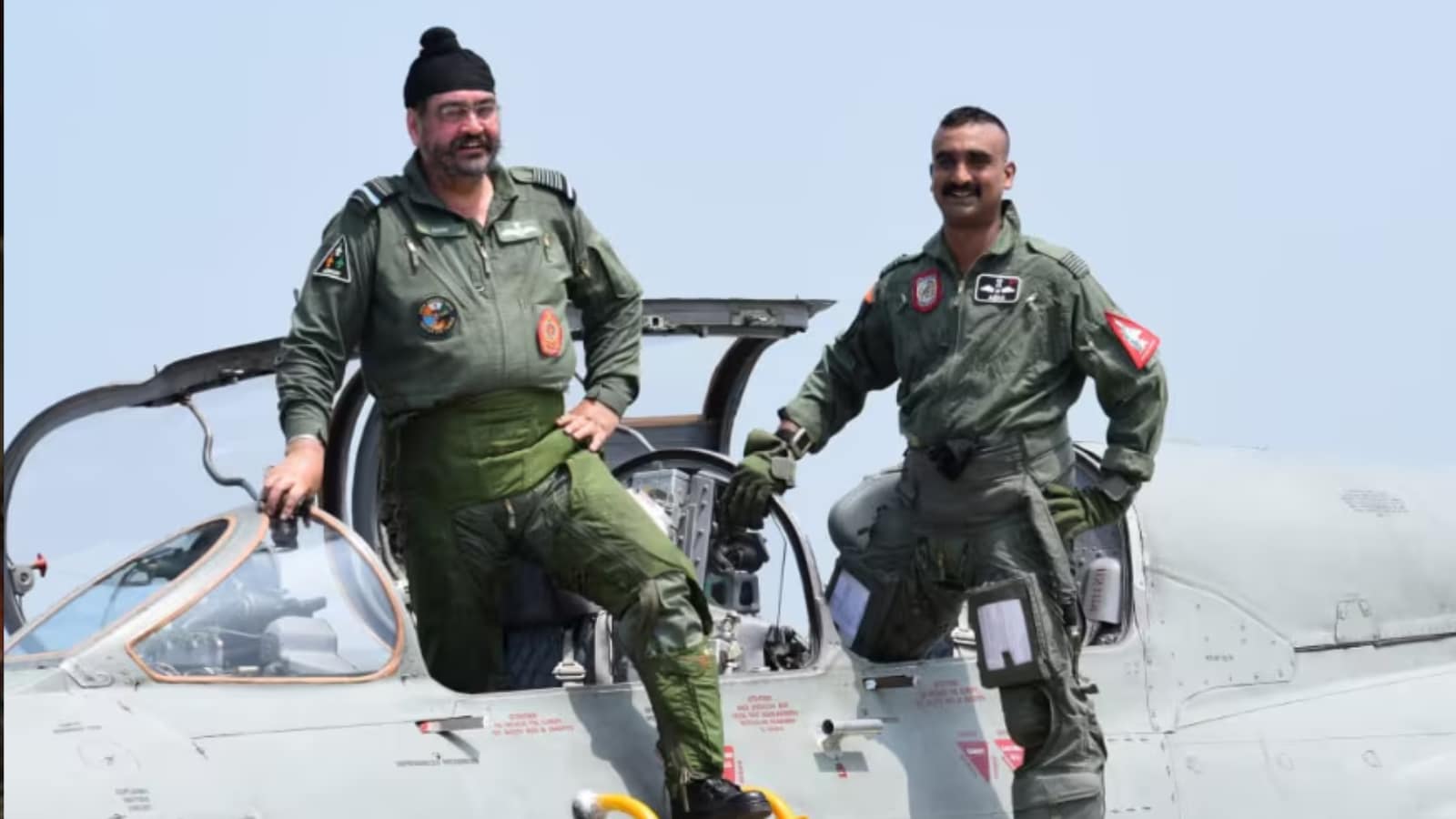
The official citation credited him with conspicuous courage and an exceptional sense of duty, noting that he maintained a stoic and dignified demeanour while in captivity. It was a fundamentally different kind of aviation crisis, but it demonstrated the same element seen in several civilian emergencies: remaining composed when the situation has moved far beyond normal cockpit procedures.
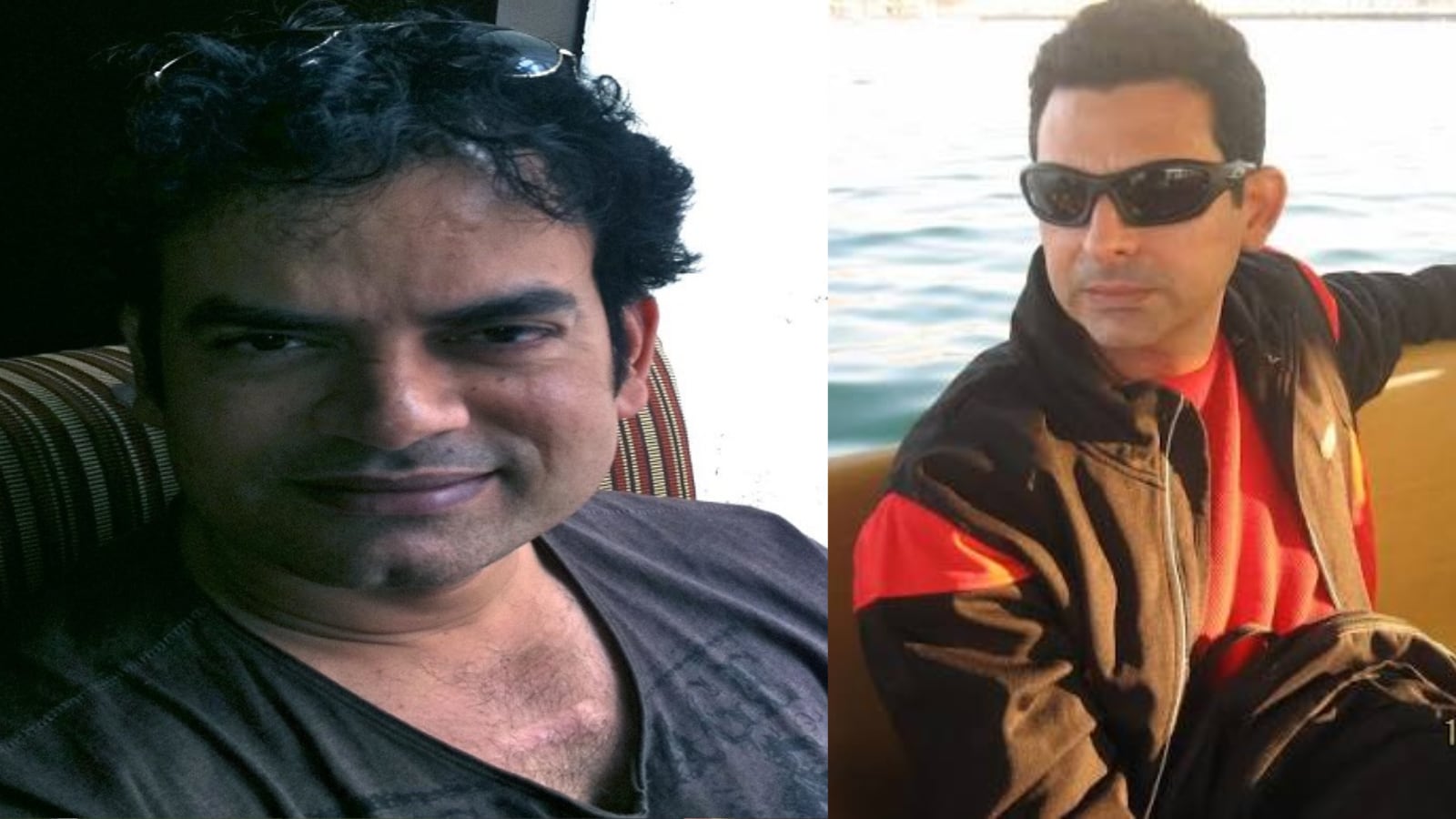
Rustom Palia And Sushant Singh: In September 2018, Air India Flight AI-101 from Delhi to New York faced a chain of technical problems as it approached New York. Senior Commander Rustom Palia and second-in-command Captain Sushant Singh were dealing with failures involving the radio altimeter, traffic collision avoidance system, autoland, windshear systems, autospeed brake and auxiliary power unit. Weather at New York was also poor, while fuel was becoming a concern. The Boeing 777 was carrying about 370 people.
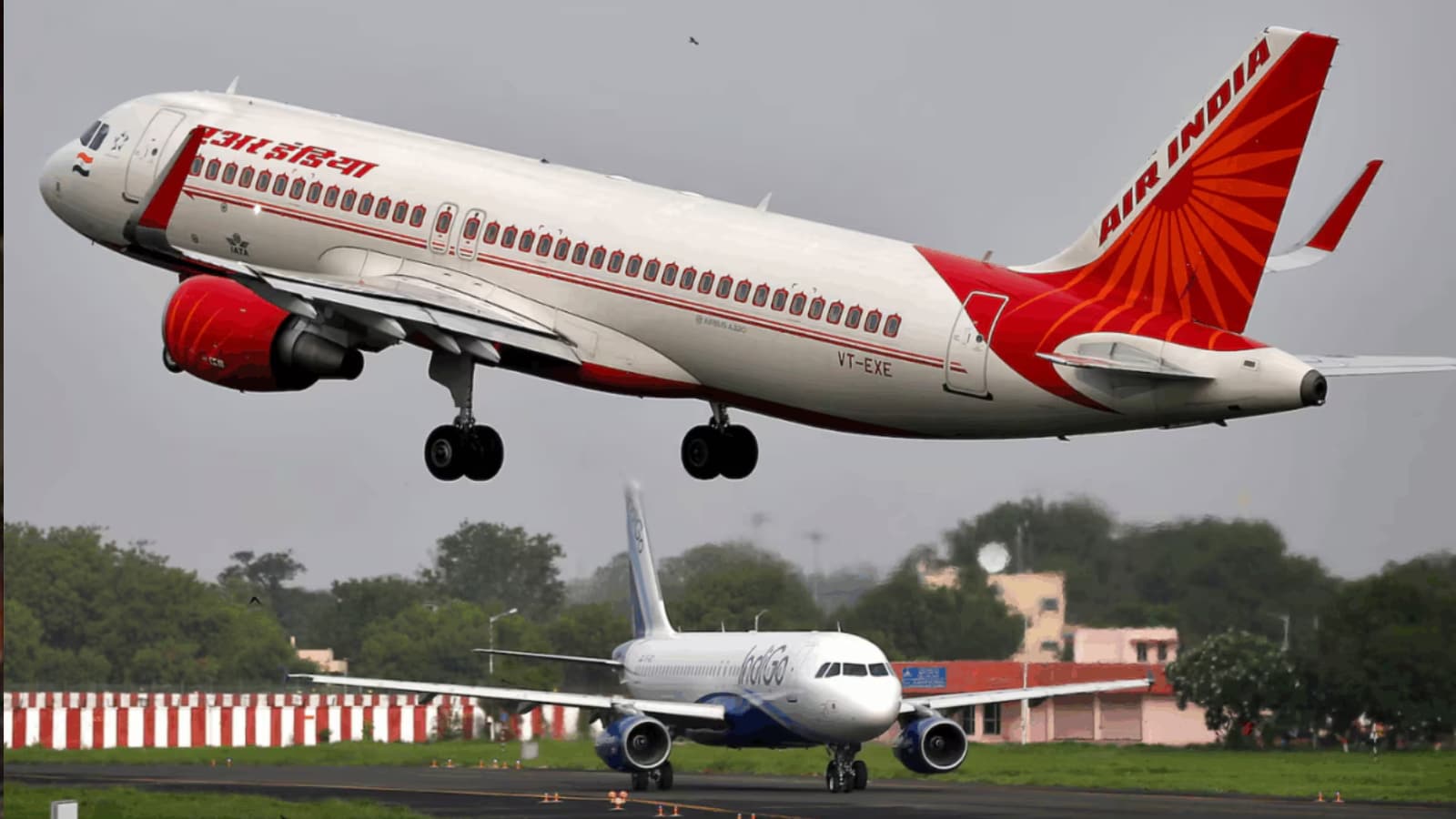
The crew abandoned the planned landing at JFK and worked with air traffic control to find another option. They eventually diverted to Newark, where the aircraft landed safely despite the multiple system failures and challenging conditions. The episode was notable not because the pilots performed a dramatic last-second manoeuvre, but because they had to make a series of decisions under rapidly narrowing options. Palia had also requested additional fuel before the flight, a decision that later proved crucial as the aircraft encountered the technical problems.
Captain Jalaj Vats: Another Air India captain faced a different combination of pressures in January 2014. Captain Jalaj Vats was operating Air India Flight 890 from Guwahati to Delhi when severe fog forced a diversion to Jaipur. After more than 12 hours of flying, the crew found visibility at Jaipur’s Sanganer airport had also fallen to effectively zero. With fuel running critically low and no easy diversion option, Vats chose to land using the Instrument Landing System. The Airbus A320 landed off the runway centre line and was badly damaged, but all 173 people aboard survived. The aircraft was subsequently written off.
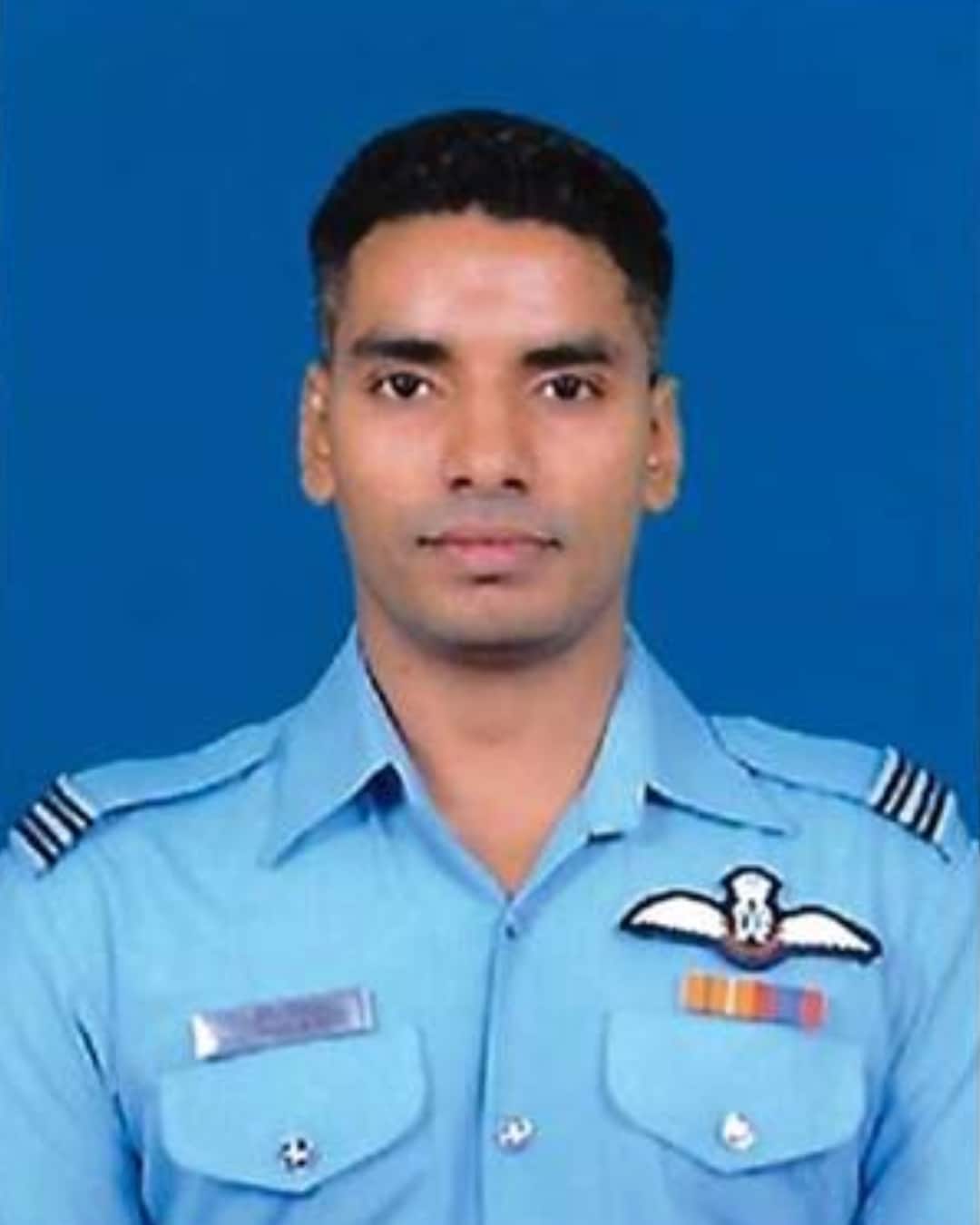
Flight Lieutenant Preji Raju: Military aviation has its own catalogue of moments when pilots have had seconds to respond to rapidly deteriorating conditions. On March 31, 2020, Flight Lieutenant Preji Raju was flying a transport mission from Agra to Gwalior when ground crew alerted the cockpit that the aircraft’s starboard engine was on fire shortly after take-off. According to his official Vayu Sena Medal citation, Raju maintained his composure, identified the emergency with the help of his co-pilot and carried out the required actions even though the cockpit did not initially show fire indications. When the fire continued despite the available fire-extinguishing measures, he decided to land on a cross runway. He was later awarded the Vayu Sena Medal for gallantry.
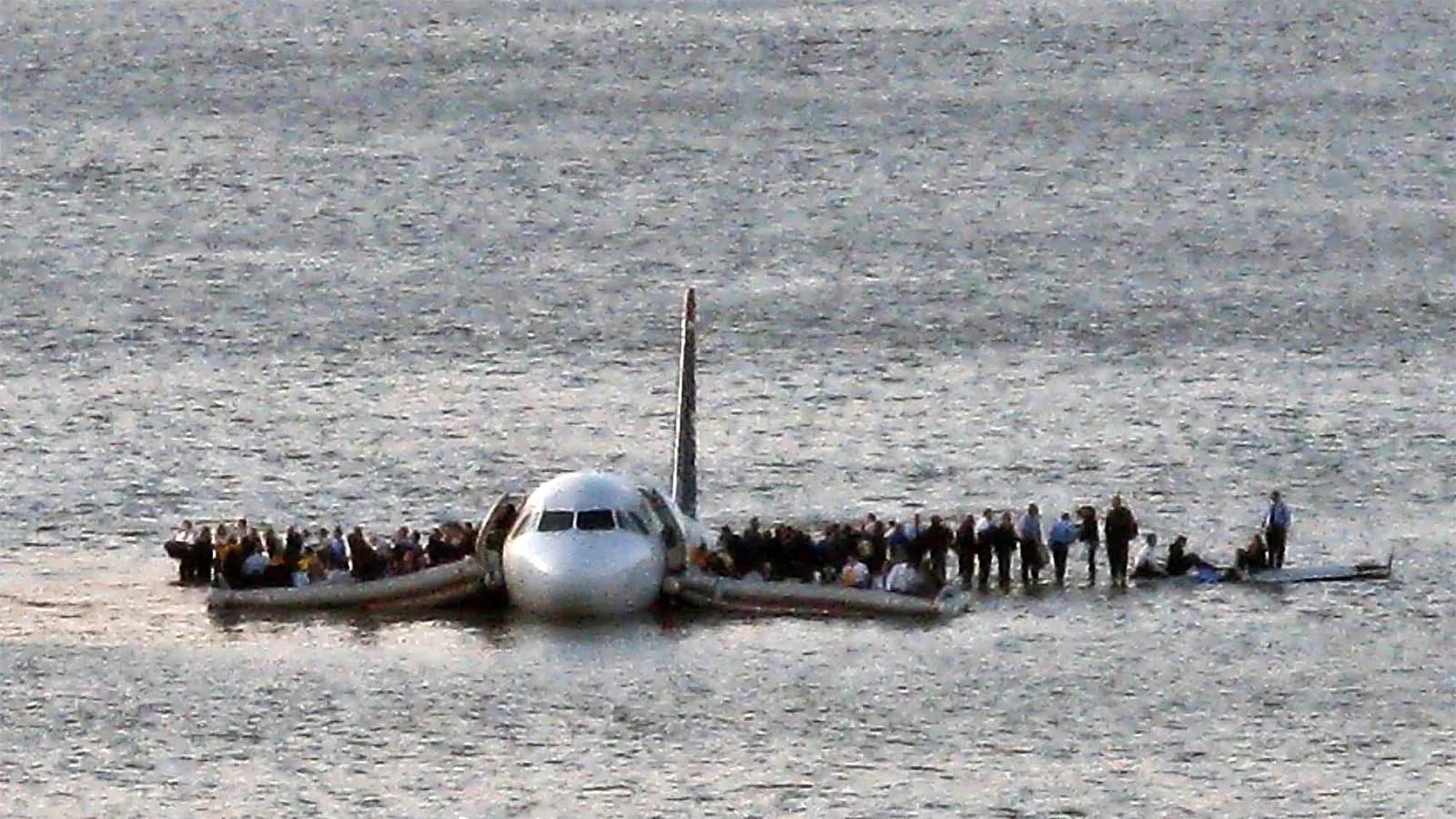
International Pilots Who Became Symbols Of Crisis Management: India’s aviation history is not unique in producing pilots who have had to make extraordinary decisions under pressure. In the United States, Captain Chesley ‘Sully’ Sullenberger became internationally known after US Airways Flight 1549 lost both engines following a bird strike shortly after take-off from New York in January 2009.
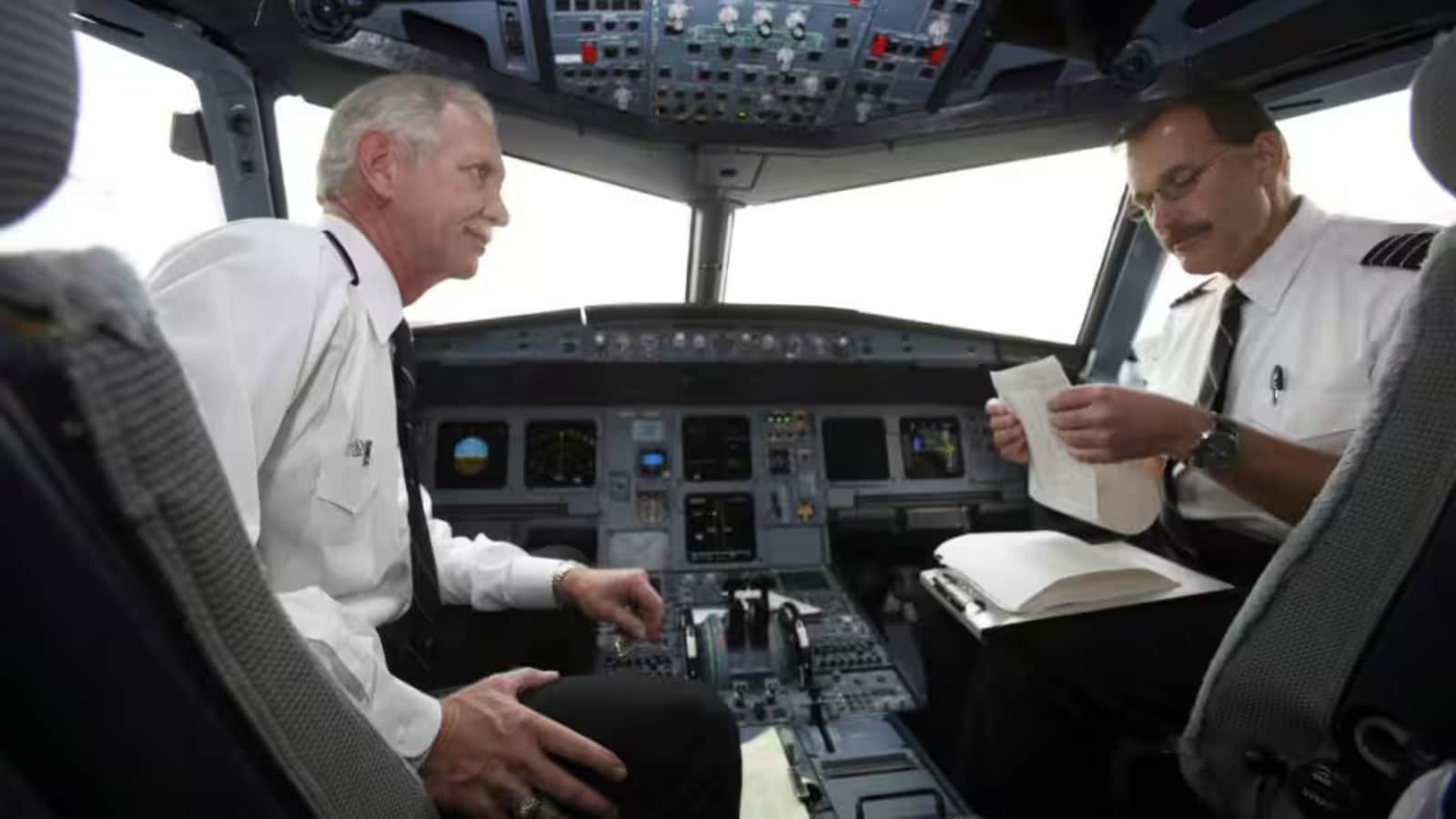
Sullenberger and First Officer Jeffrey Skiles landed the Airbus A320 on the Hudson River, with all 155 people aboard surviving. Another widely studied case came in 2018, when Qantas Flight 32 suffered an engine failure shortly after take-off from Singapore. Captain Richard de Crespigny and his crew managed an aircraft with extensive system failures and eventually returned safely to Singapore.
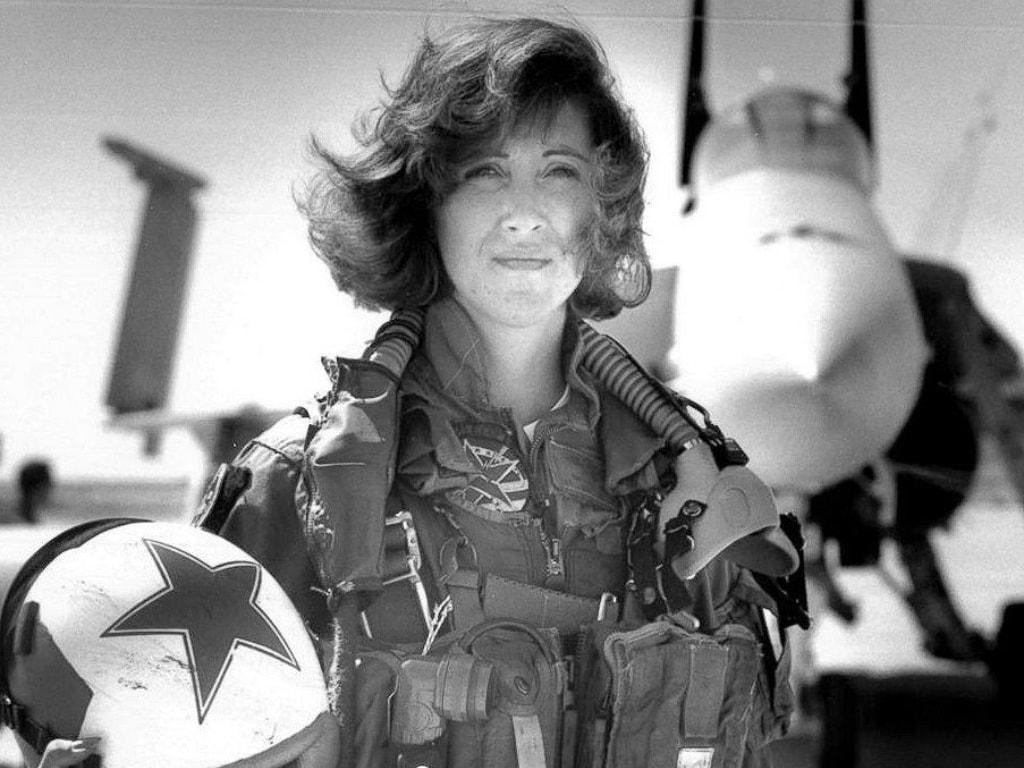
Captain Tammie Jo Shults also became known for her handling of Southwest Airlines Flight 1380 in 2018 after an engine failure caused a window to break and the aircraft to suffer a rapid loss of cabin pressure. Shults and First Officer Darren Ellisor brought the Boeing 737 safely into Philadelphia.
These cases differed greatly in their causes – hijacking, combat, engine failure, severe weather, system breakdown and deliberate attack. What connected them was the same unforgiving environment: once a crisis begins in the air, pilots have little time, limited options and hundreds of lives depending on their decisions. Machchhar’s ordeal now joins that long history of aviation emergencies in which courage is not simply about confronting danger, but about continuing to perform when fear, injury, technical failure or uncertainty would make that task extraordinarily difficult.
Source link
[ad_3]

