
Last Updated:
Skyrocketing rents, hefty deposits and poor maintenance are making finding a safe, liveable and affordable home a growing challenge for tenants across Delhi-NCR.




Life as a Tenant in Delhi-NCR
Have you seen Wake Up Sid? Remember how Aisha arrives in Mumbai, struggles to find a place to live, and eventually turns a small apartment with a skyline view into her home?
For many people moving to a big city, finding a home remains one of the first and biggest challenges. A recent Delhi government survey covered around 20.05 lakh households and 1.02 crore people and found that 32.38% of Delhi’s households live in rented accommodation, while 66.63% live in their own homes.
Across Delhi-NCR, thousands of tenants pay steep rents for one or two small rooms, often with little or no maintenance, basic amenities or adequate safety measures.
The recent Satya Niketan building collapse has once again brought the issue into focus, highlighting a larger question about how tenants, particularly those living in older or poorly maintained properties, navigate the capital’s increasingly expensive housing market.
Manik, who lives in the Samaspur Jagir area of Mayur Vihar Phase 1, Delhi, spoke about being asked to pay brokerage despite renting the property directly from the owner. He works as a contractual employee with the Central Government and has been living in the area for the past three years.
He shares his flat with a friend, and together they pay ₹20,000 per month for a small 2BHK home.
“My friend and I have never had an issue with paying the rent itself. The concern is whether the condition and facilities of the house justify what we are paying.
The electrical wiring, switches and boards are old. There is a recurring risk of short circuits, and almost every couple of months we have to call an electrician for some repair. These expenses are generally borne by us. The plumbing is similar. Many of the fittings are either old or of poor quality, and when something stops working because of age or wear and tear, the owner usually takes the position that it is not their responsibility,” he said.
But their problems do not end there. The sewage and sanitation situation in the area adds another layer to the everyday difficulties of living in the locality. Manik says the narrow lanes around the house often smell of sewage or garbage, while poor ventilation and limited sunlight make the flat even more difficult to live in.
“The surroundings add to the problem. The house is located in a narrow lane where there can be a sewage or garbage smell at times. There is very little natural sunlight or ventilation, which can make the house feel claustrophobic. Over time, you start wondering whether you are paying ₹20,000 simply for a roof over your head, without the basic quality and safety that should come with it,” he said.
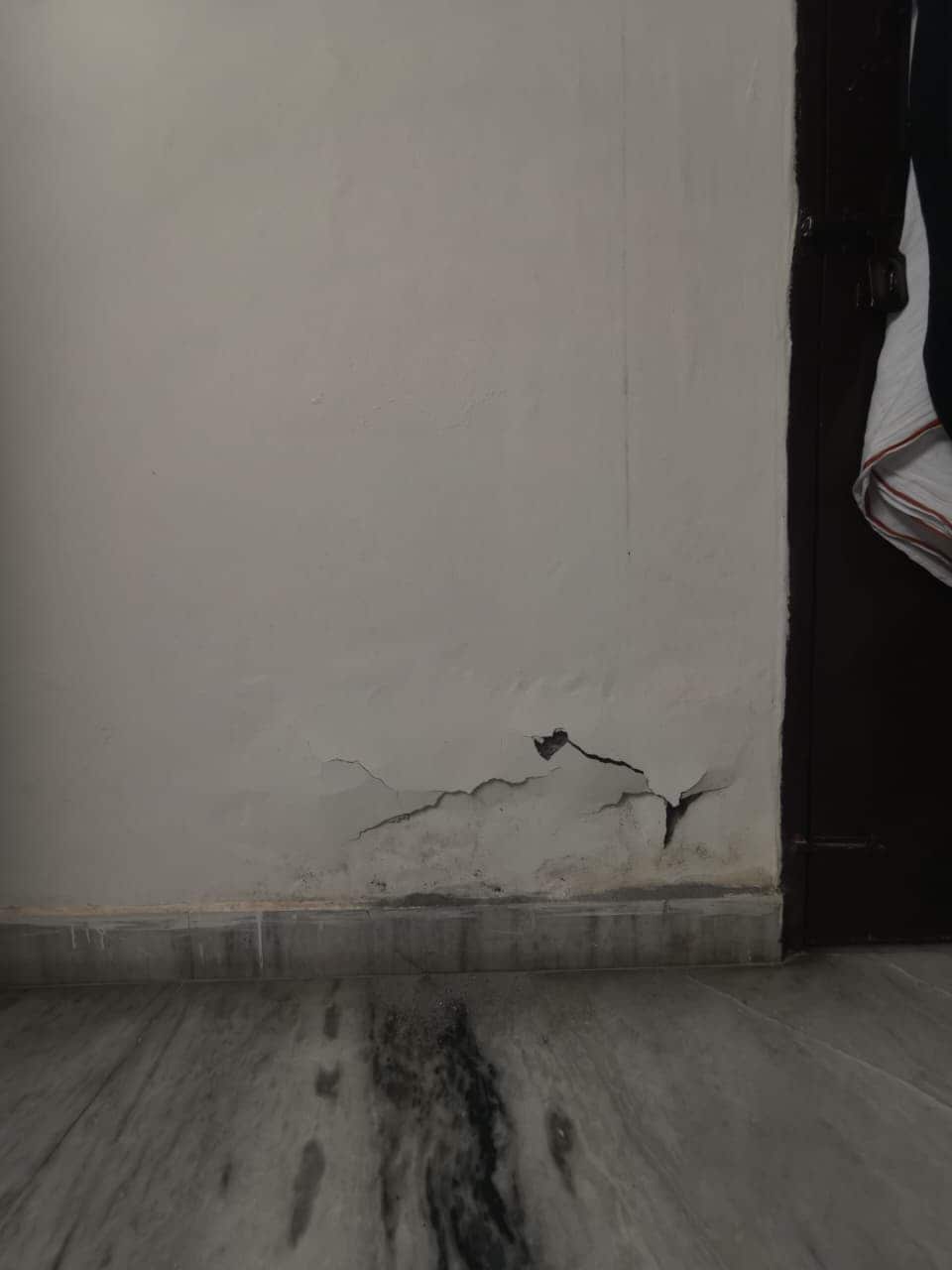
For Manik, the condition of the building is an equally worrying concern. Peeling plaster, ageing infrastructure and the absence of regular maintenance have left him questioning how safe the building actually is.
“When plaster keeps falling and the building is old, you cannot help but wonder about its safety, especially in a city like Delhi where earthquake risk is a genuine concern. It sometimes feels as if we are one major earthquake away from discovering how unsafe these buildings really are,” he said.
For Prajanya, Renting Meant More Than Just Paying The Rent
For Prajanya, who has lived in Delhi since 2019, finding a home has often meant dealing with high rents, brokerage and poor living conditions. When she first moved to Karol Bagh, she paid around ₹17,000 for a one-BHK, along with brokerage and a security deposit of roughly twice the monthly rent.
But the costs were not her only concern. She said the area around the house was unhygienic, with pest and sewage problems that became worse during the monsoon. Despite repeated complaints, she said the issues were not properly addressed.
“The area was extremely unhygienic, and because of that, we constantly faced problems with insects and pests. During the monsoon, it became even worse,” she said.
She also recalled poor water quality, saying there were times when she did not feel comfortable drinking it or even using it on her face. Electricity-related issues added to her concerns.
Even after shifting, finding an affordable home remained difficult. She said brokers were charging ₹8,000-₹10,000, while fully furnished homes were even more expensive.
Today, she lives in a one-BHK she is happy with, but says the rent still takes up a significant part of her income.
“It isn’t just about paying the rent. You have to think about brokerage, security deposits, electricity, water, maintenance and the condition of the locality,” she said.
For many people who come to Delhi in search of jobs, education and a better life, these small rented rooms become a home away from home. But the journey to make a house a home often comes with skyrocketing rents, hefty brokerage and deposits, poor maintenance and a lack of basic amenities. As the experiences of tenants like Manik and Prajanya show, the struggle is not simply to find a roof over their heads — it is to find a home that is safe, hygienic, liveable and worth what they pay for it.
For Aditya, Rohan And Akhil, High Rent Comes With Almost No Maintenance
For Aditya, Rohan and Akhil, three media professionals sharing a rented home in Delhi, the monthly rent is another reminder that a high price does not always mean better living conditions. The three pay ₹25,000 a month for the house, but say maintenance remains almost non-existent.
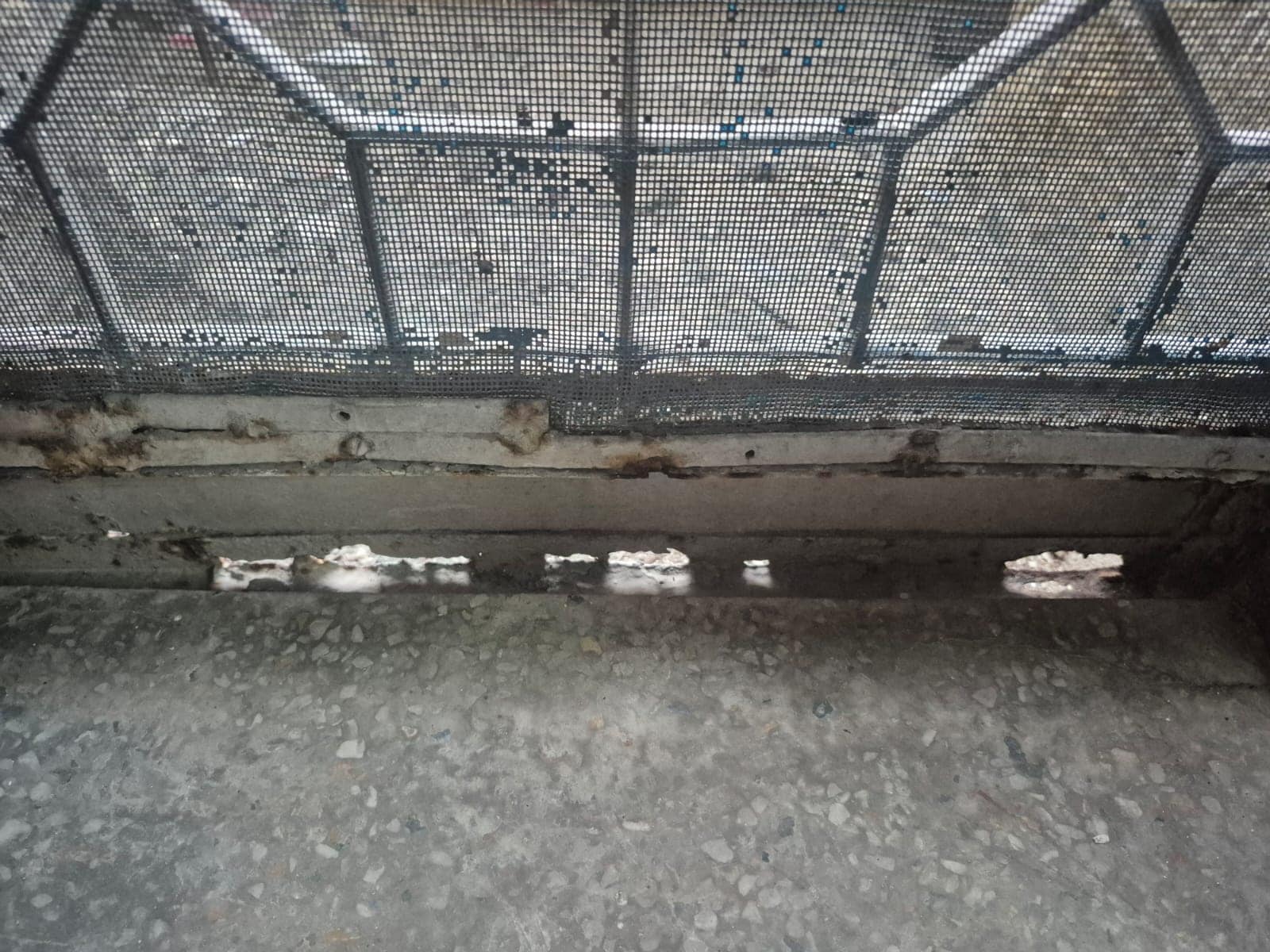
Aditya said the house faces water leakage during the monsoon, poor drainage, waterlogging, an unclean balcony and a persistent rat problem. According to him, repeated complaints have done little to resolve the issues.
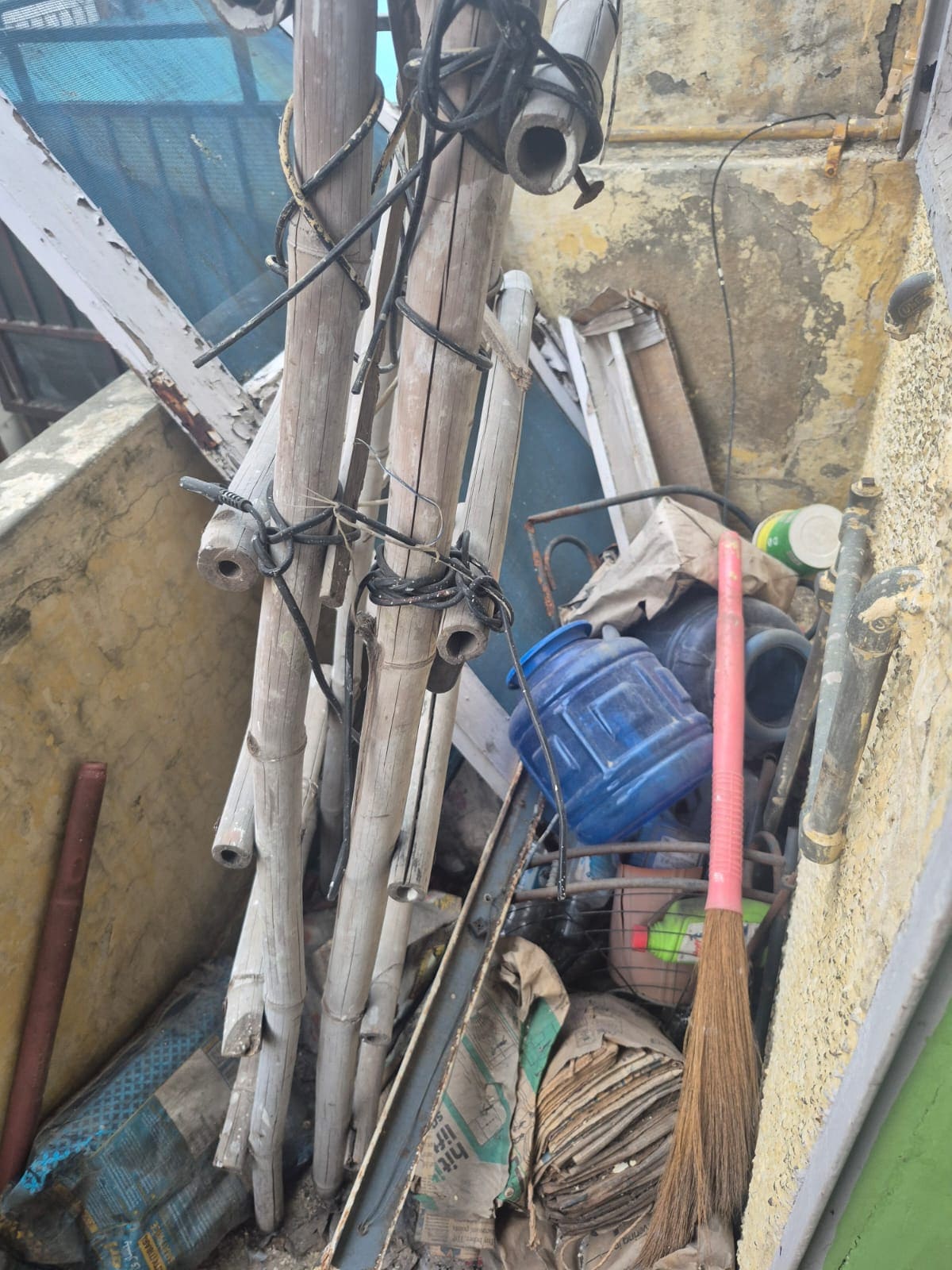
“Whenever we raise any concern, we are simply told, ‘If you have a problem, leave the room and find another place,’” he said.
He also alleged that they are being charged ₹1.50 more per unit for electricity than the applicable rate. When they questioned the extra charge, he said the landlord told them it was being recovered from them because previous tenants had unpaid dues.
“We pay rent, security and maintenance charges, but the basic issues remain unresolved. The bigger problem is the way complaints are handled,” he said.
For many people who come to Delhi-NCR in search of jobs, education and a better life, these small rented rooms become a home away from home. But the effort to turn a rented house into a home often comes with skyrocketing rents, hefty brokerage and deposits, poor maintenance and a lack of basic amenities.
As the experiences of Manik, Prajanya, Aditya and others show, the struggle is not simply to find a roof over their heads – it is to find a home that is safe, hygienic, liveable and worth what they pay for it.
Quick Answers
 Ask News18
A recent Delhi government survey covering 20.05 lakh households found that 32.38% of Delhi’s households live in rented accommodation, while 66.63% live in their own homes.
Ask News18About the Author

Anushka Vats is a Sub-Editor at News18.com with a passion for storytelling and a curiosity that extends beyond the newsroom. She covers both national and international news. For more stories, you can …Read More

September 18, 2026, 07:00 IST
Read More
Source link
[ad_3]

