
Paneer bhurji is one of those dishes I make when I want something quick and nutritious. It’s just crumbled paneer, onions, tomatoes, and some spices that cook together within in a couple of minutes. But honestly, getting the right texture has not always been that easy for me. Sometimes the bhurji is soft and moist, just like I want it. Other times, I find a watery layer around the paneer. The more I cook it, the more it gets firmer. I started to think if I was adding too much moisture somewhere along the process. So, I tried 4 different ways of making paneer bhurji to find out what actually keeps it soft without turning soggy.
Also Read: Dining Table Idea To Rs 450 Crore Business, How Two Brothers Built Nilon’s
Method 1: Cooking The Tomatoes Until The Water Dries
Photo: Unsplash
My first doubt went onto to the tomatoes. They are an important part of the bhurji masala, but they can also release quite a bit of water.
What I did
I finely chopped the tomatoes and cooked them with the onions and spices for a few extra minutes. Instead of adding the paneer as soon as the tomatoes softened, I waited until the mixture looked cooked and most of the visible moisture had disappeared.
What happened
The bhurji was noticeably less watery. The masala looked thick before I added the paneer, and the paneer picked up the flavours without sitting in excess liquid.
Verdict
A simple step, but probably the most important one if your tomatoes are particularly juicy.
Method 2: Adding Salt Only After The Vegetables Cook
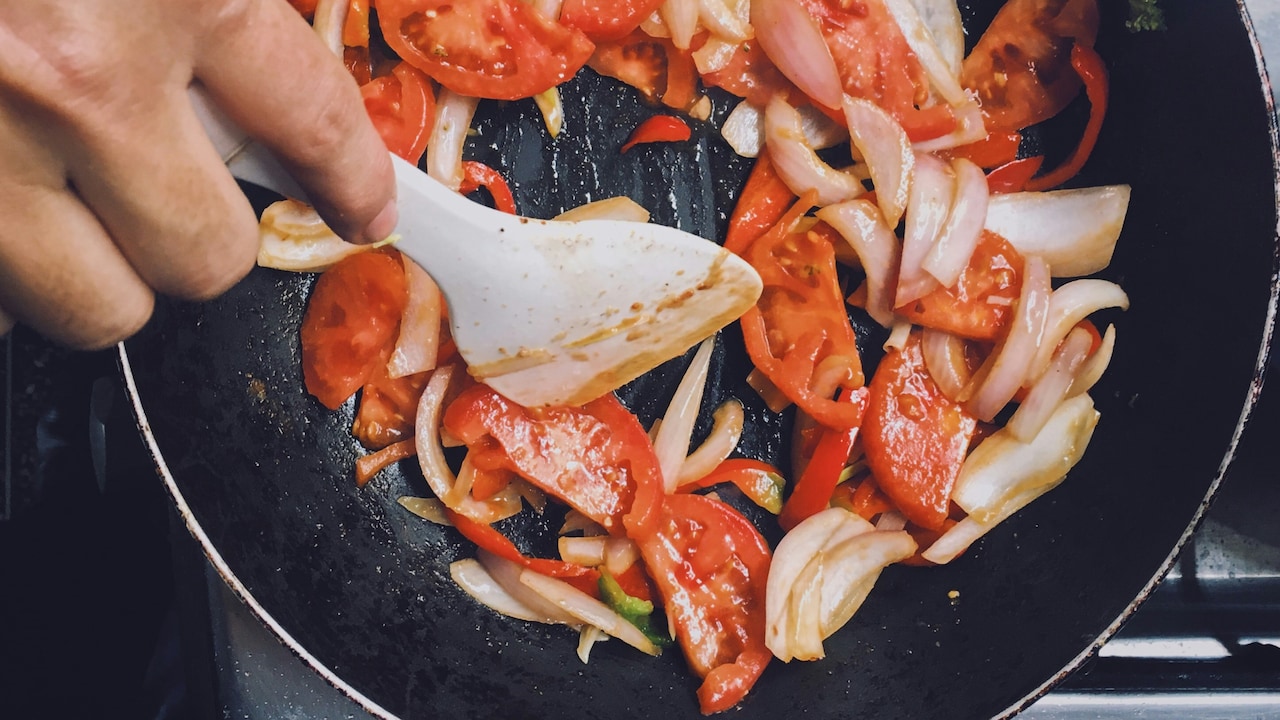
Photo: Unsplash
For my second attempt, I changed when I added salt. I usually season the onions and tomatoes as they cook, but salt can also draw moisture out of vegetables.
What I did
I cooked the onions and tomatoes first and added the salt towards the end, just before adding the paneer.
What happened
There was less liquid collecting in the pan while the vegetables cooked. The masala also browned a little better. The difference wasn’t dramatic, but it did help when I was already using tomatoes that had a lot of moisture.
Verdict
Worth trying, particularly if your bhurji tends to get watery because of the vegetables.
Also Read: Move Over Boba, This Turtle-Shaped Chinese Herbal Jelly Is The New Food Craze
Method 3: Adding Crumbled Paneer Too Early
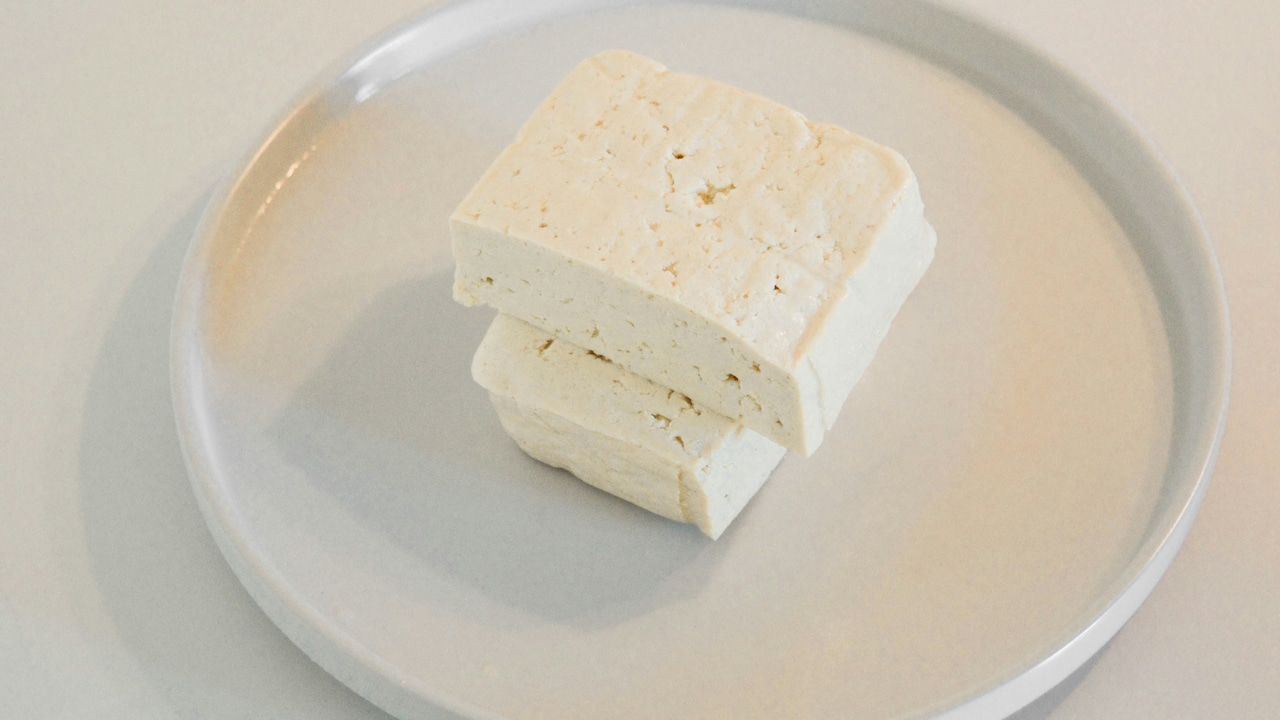
Photo: Unsplash
This was something I hadn’t really thought about. I usually crumble the paneer and add it as soon as the masala is ready, then keep cooking everything together.
What I did
For this batch, I added the crumbled paneer while the masala was still fairly wet and cooked it for several minutes.
What happened
The paneer absorbed some of the masala, but the mixture also became slightly watery. The longer I cooked it, the firmer and drier the paneer became.
Verdict
Not my favourite method. Paneer bhurji doesn’t need a long cooking time once the paneer goes in.
Method 4: Cooking The Masala First And Adding Paneer At The End
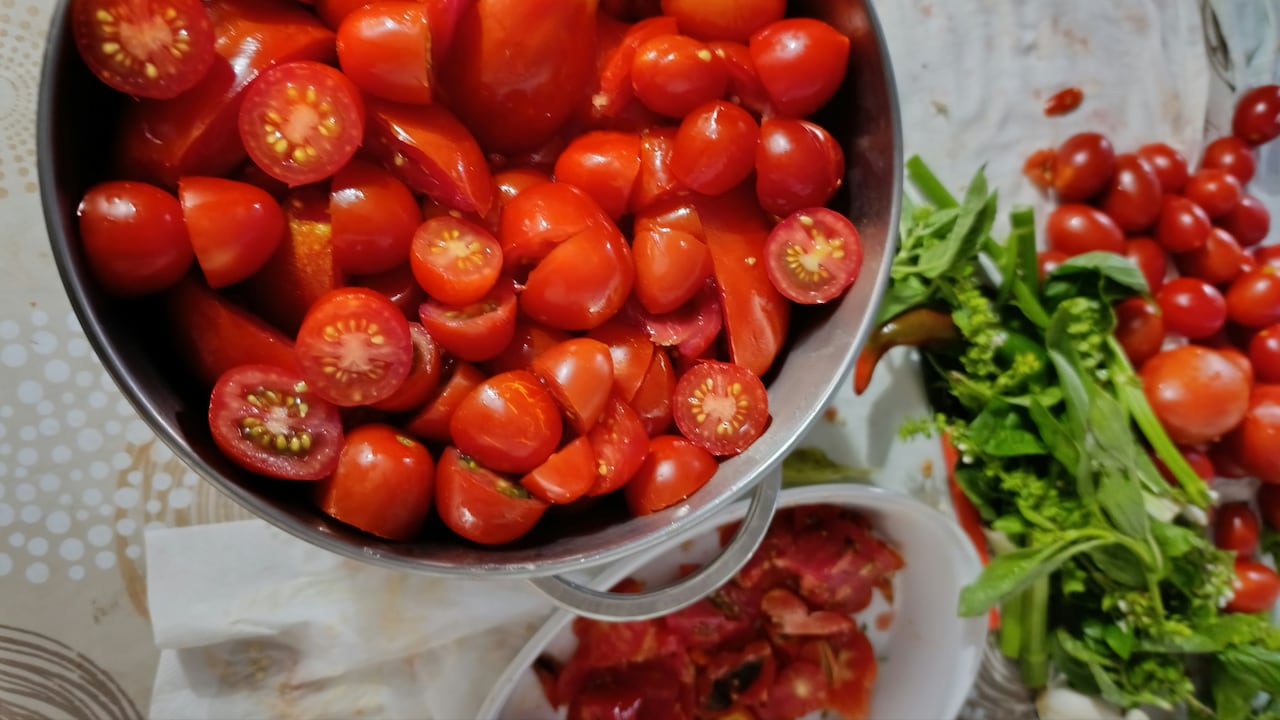
Photo: Unsplash
For my final attempt, I decided to separate the two steps completely.
What I did
I cooked the onion, tomato and spice mixture until it was thick and almost dry. I then added the crumbled paneer, mixed everything gently and cooked it only for another couple of minutes.
What happened
This gave me the texture I was looking for. The paneer stayed soft, the masala coated it nicely and there was no watery layer at the bottom of the pan. It also tasted better because the paneer wasn’t being cooked for longer than necessary.
Verdict
This was the clear winner for me.
My Final Verdict
After trying all four methods, the biggest change was surprisingly simple: I stopped cooking the paneer with a wet masala. I now cook the onion-tomato mixture properly first, letting most of its moisture evaporate, and add the crumbled paneer only towards the end.
I also avoid cooking the bhurji for too long after adding paneer. Once everything is mixed and heated through, I switch off the flame. This keeps the paneer soft instead of making it chewy or dry.
If your paneer bhurji turns watery, don’t immediately keep it on the stove for another five or 10 minutes. By then, you may get rid of the water, but you can also lose the soft texture that makes a good bhurji. For me, the better fix was to control the moisture before the paneer went into the pan.
Source link
[ad_3]

