Your savings account may be earning less on idle cash. Here’s how auto-sweep moves surplus money into an FD while keeping funds accessible when you need them
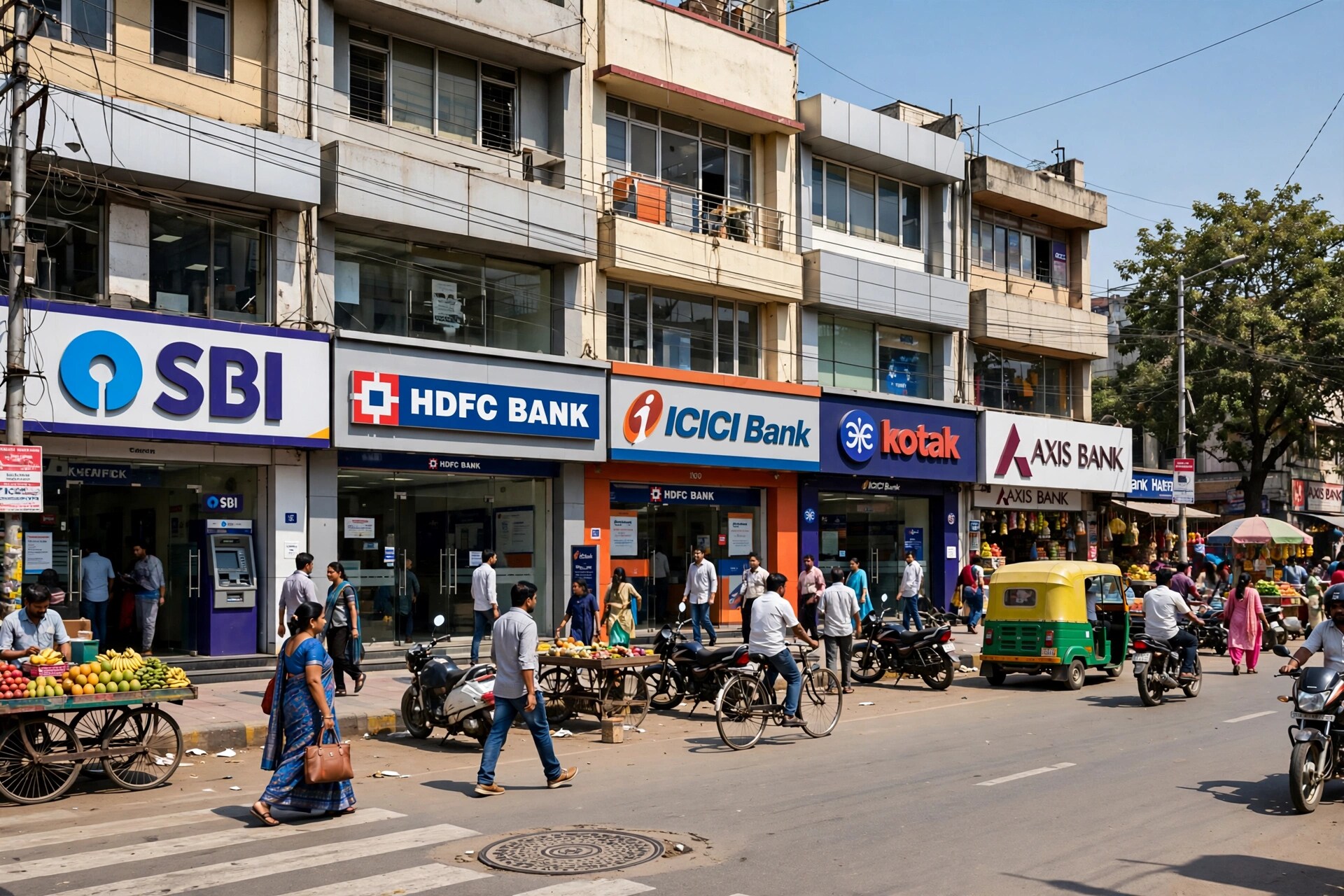
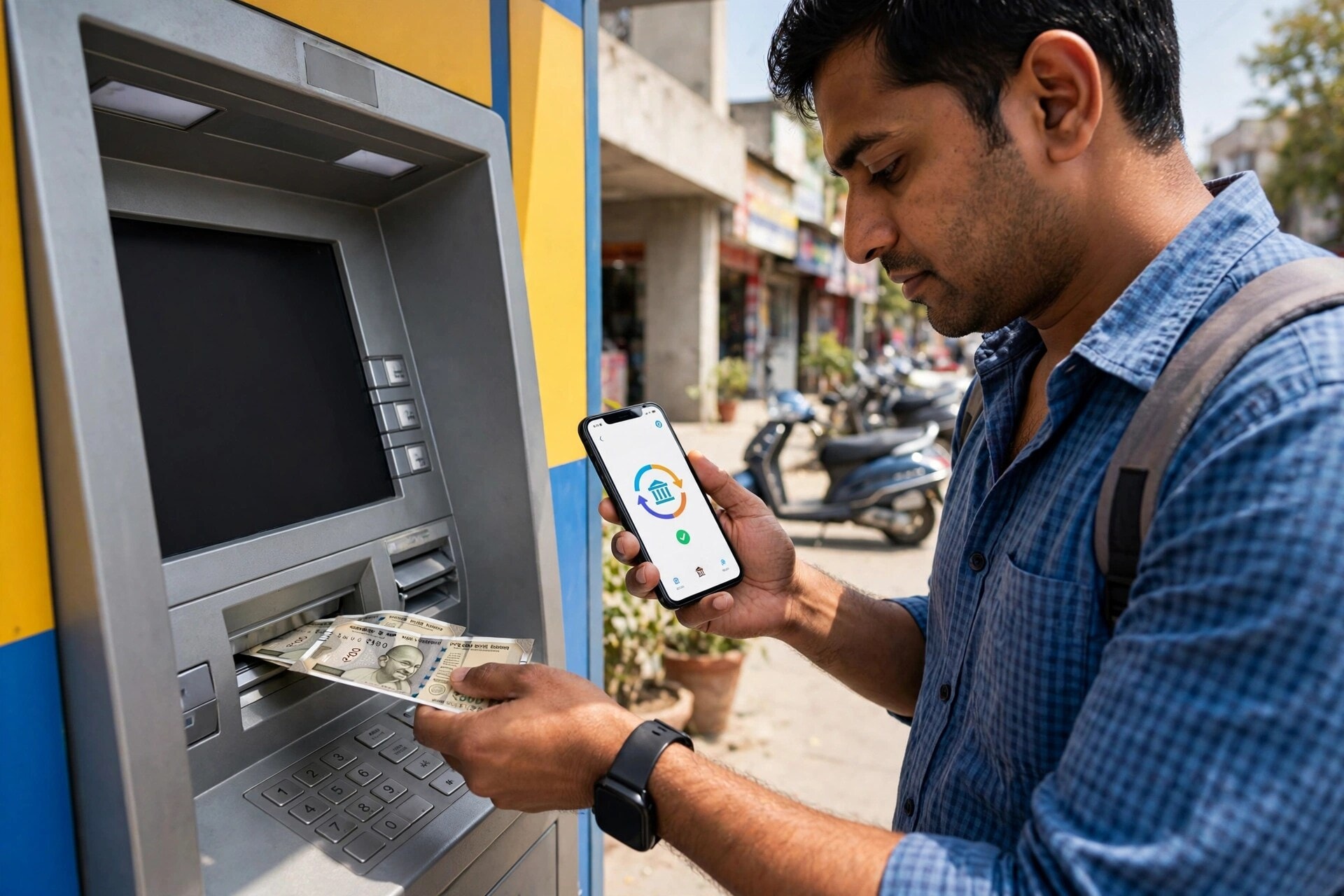
Activating an auto-sweep facility is usually straightforward. Depending on the bank, customers can enable it through net banking, a mobile app or by visiting a branch. After selecting the facility, you generally need to set a threshold and, in some cases, choose sweep multiples. SBI offers the facility through its Savings Plus (MODS) account. The threshold and other conditions vary from one bank to another, so check the latest terms before activating it.Several major Indian banks offer some form of auto-sweep facility, although the feature goes by different names. SBI offers Savings Plus (MODS), while HDFC Bank has Sweep-out FD/Money Maximizer and ICICI Bank offers Money Multiplier/Flexi Deposit. Kotak Mahindra Bank calls its facility ActivMoney, while Axis Bank and Bank of India also offer similar options. IDFC FIRST Bank, Punjab National Bank and Bank of Baroda have comparable facilities as well. Exact features and eligibility vary by bank and account type.Consider Rs 50,000 sitting unused in a savings account for three months. At an annual savings rate of around 2.5%-3%, it could earn roughly Rs 310-Rs 375 in interest over that period. If the money qualifies for an auto-sweep FD earning around 6%-6.5%, the interest could be roughly Rs 750-Rs 810 for the same period. These are illustrative calculations, not guaranteed returns. Actual earnings depend on the bank, FD tenure, applicable interest rate and account terms.What happens if most of your money has already moved into an FD and you suddenly need cash? With a reverse or sweep-in facility, the bank can automatically move the required amount from the linked FD back into your savings account when your balance is insufficient for a transaction. This can happen when you withdraw through an ATM, make a UPI payment, use net banking or issue a cheque. The exact process, minimum withdrawal amount and any premature-closure charges depend on the bank’s rules.The biggest attractions of auto-sweep are potentially higher interest, easy access to funds and automation. You do not have to manually create an FD every time your savings balance increases. But there are conditions to consider. Thresholds, sweep multiples and FD tenures vary between banks, while premature withdrawal can affect the interest earned. Tax rules also apply to FD interest, including TDS where applicable. Depending on the bank, linked deposits may have tenures ranging from a few months to several years.Auto-sweep can be useful if you regularly keep surplus money in your savings account and want it to earn potentially higher interest without giving up easy access. But the right threshold depends on how much you normally need for everyday expenses. Before activating the facility, check your bank’s latest interest rates, threshold, sweep multiples, FD tenure, premature-withdrawal rules and tax treatment. These conditions can differ significantly between banks and account types.
Stay Ahead, Read Faster
Scan the QR code to download the News18 app and enjoy a seamless news experience anytime, anywhere.
Many banks offer an auto-sweep facility that automatically moves excess money from your savings account into a linked fixed deposit (FD). This can help you earn a higher interest rate than a regular savings account while keeping the money accessible when you need it. The facility typically works through two processes — sweep-in and sweep-out. Money above a pre-set threshold is moved into an FD, while funds can be brought back into the savings account when required.