
Emergency Service Workers: Healthcare providers, firefighters, and police officers make life-or-death decisions under extreme physical pressure. AI cannot replicate human empathy, physical rescue dexterity, or spatial adaptation in unpredictable, hazardous emergency environments. (Image: Pexels)
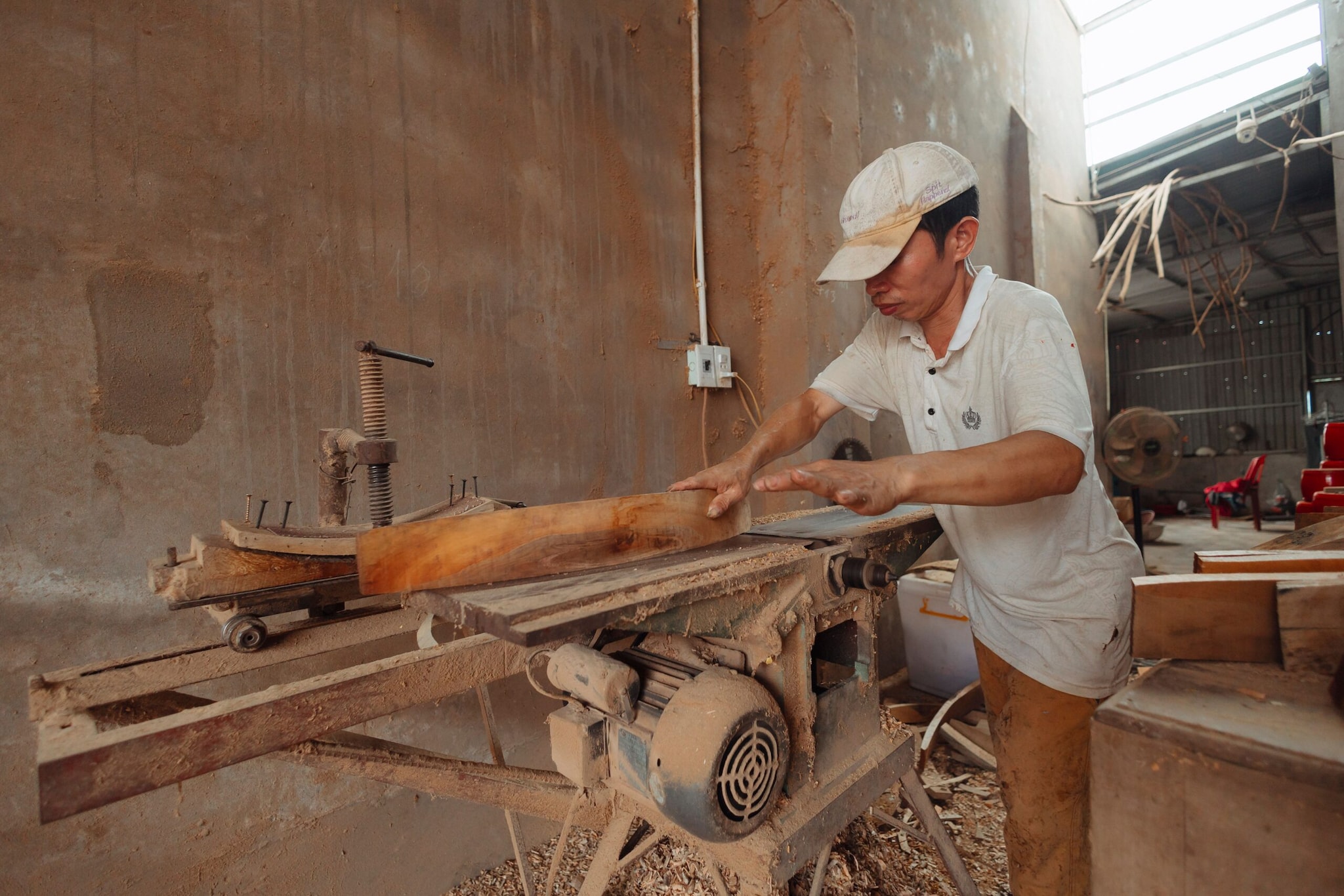
Building, Construction, and Home Installers: Carpenters, electricians, and plumbers work in non-standard physical environments with unique structural variations. AI lacks the physical mobility, fine motor manipulation, and real-time spatial problem-solving necessary to construct and repair custom buildings. (IMage: Pexels)
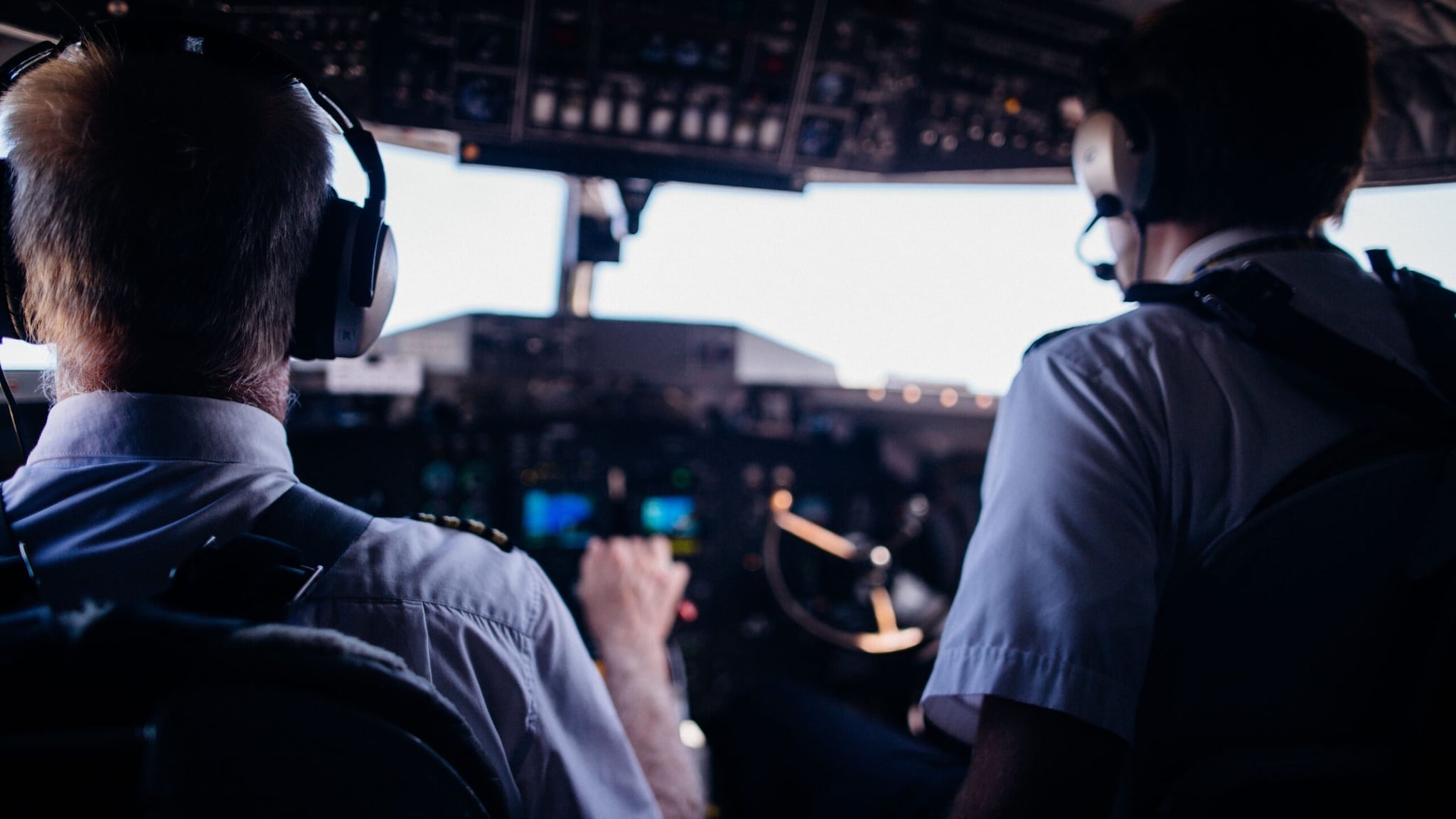
Commercial Pilots and Flight Engineers: While autopilot handles routine flight tasks, human pilots navigate dynamic weather emergencies, mechanical failures, and complex human coordination. Ultimate moral accountability and crisis management for hundreds of passengers rest entirely on human instincts. (Image: Pexels)
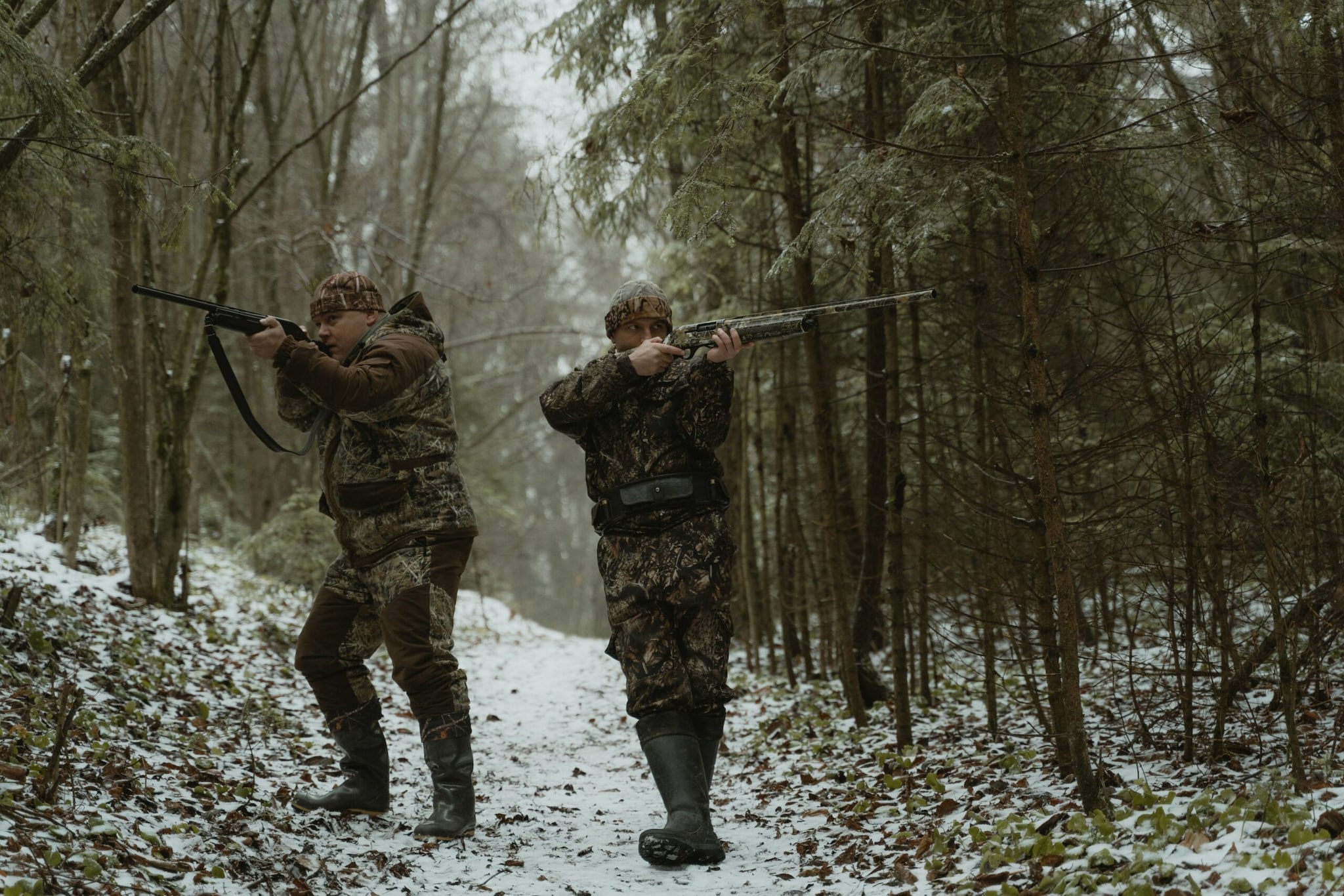
Fishing and Hunting Workers: Commercial fishers and hunters operate in hostile, unpredictable natural environments like open oceans and wild terrain. AI cannot match human physical endurance, tactical instincts, or adaptive navigation when dealing with unpredictable weather and live organisms. (Image: Pexels)
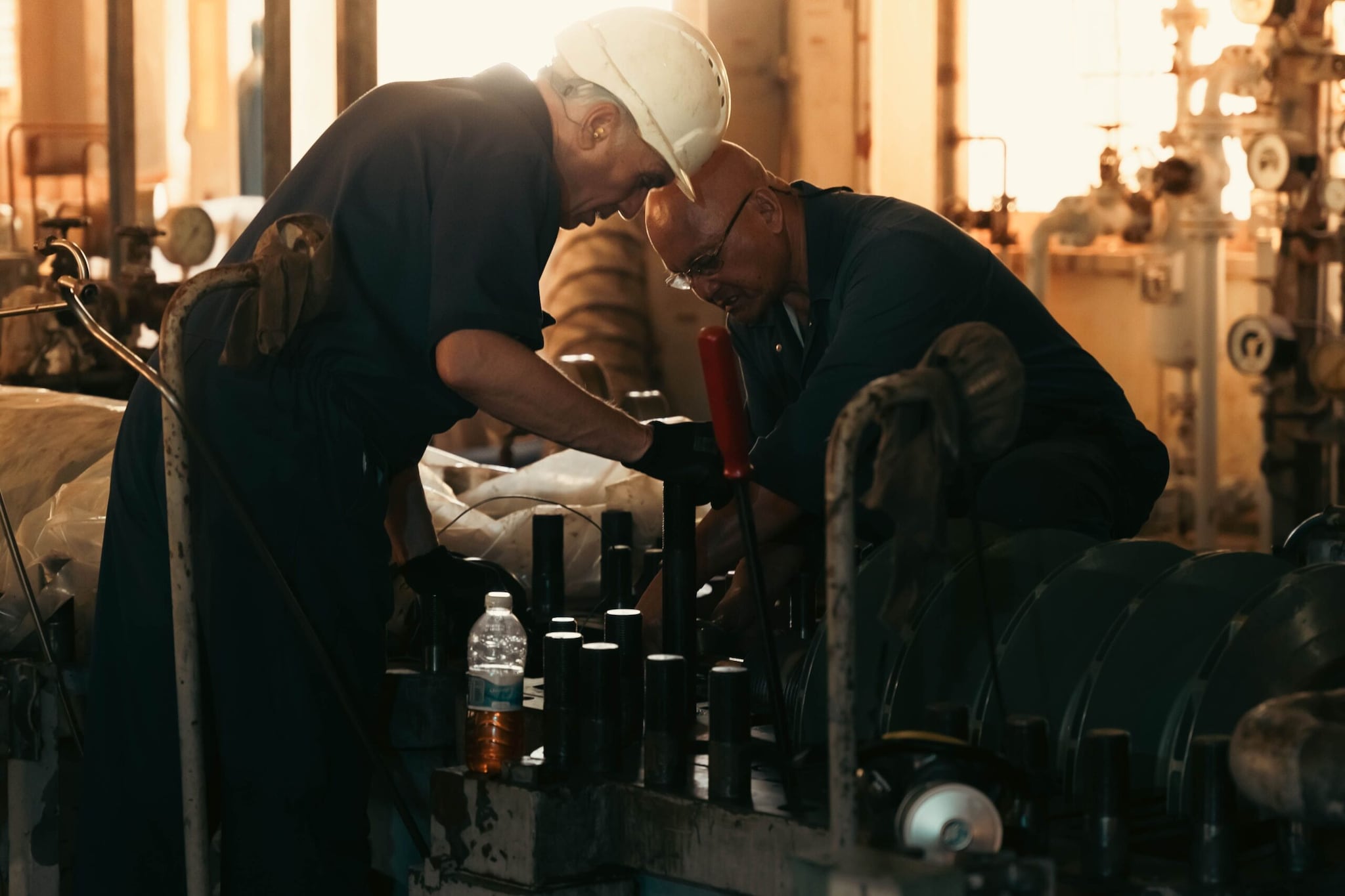
Oil and Gas Operators: Operators managing drilling rigs and extraction machinery work in extreme, hazardous conditions. AI can monitor sensors, but inspecting heavy equipment, handling volatile substances, and executing physical emergency shut-offs require hands-on human technical skill. (Image: Pexels)
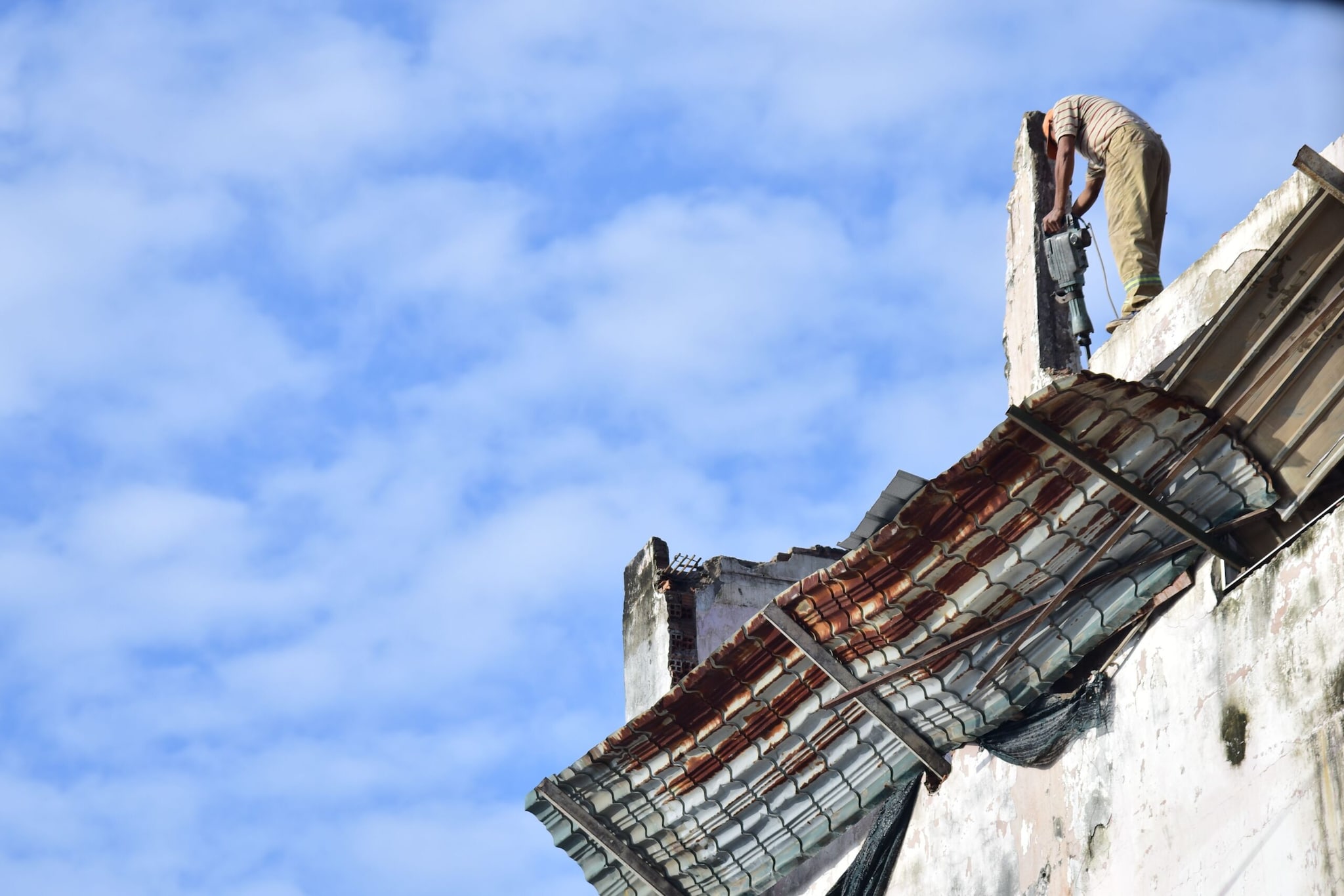
Roof Bolters: Roof bolters operate heavy machinery underground to secure mine ceilings with steel bolts. This high-risk work demands continuous human physical inspection, sound-based structural judgment of shifting rock beds, and immediate physical reactions to prevent catastrophic cave-ins. (Representative Image: Pexels)
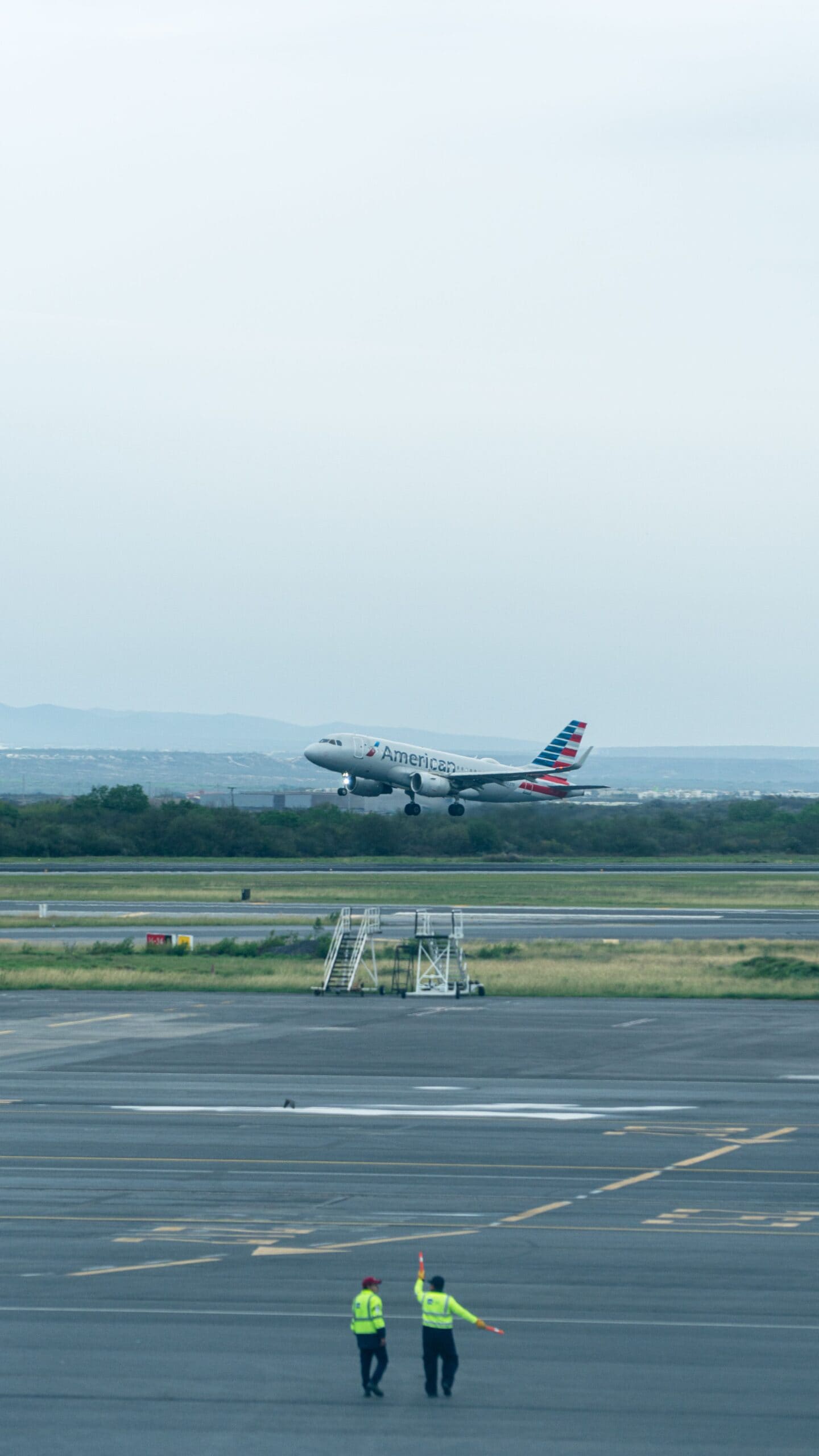
Airline Operations Specialists: Ground crews, flight dispatchers, and aviation engineers manage dynamic airport operations, aircraft maintenance, and rapid weather shifts. Ensuring airworthiness and passenger safety requires hands-on mechanical inspection and physical oversight that digital algorithms cannot deliver. (Image: Pexels)
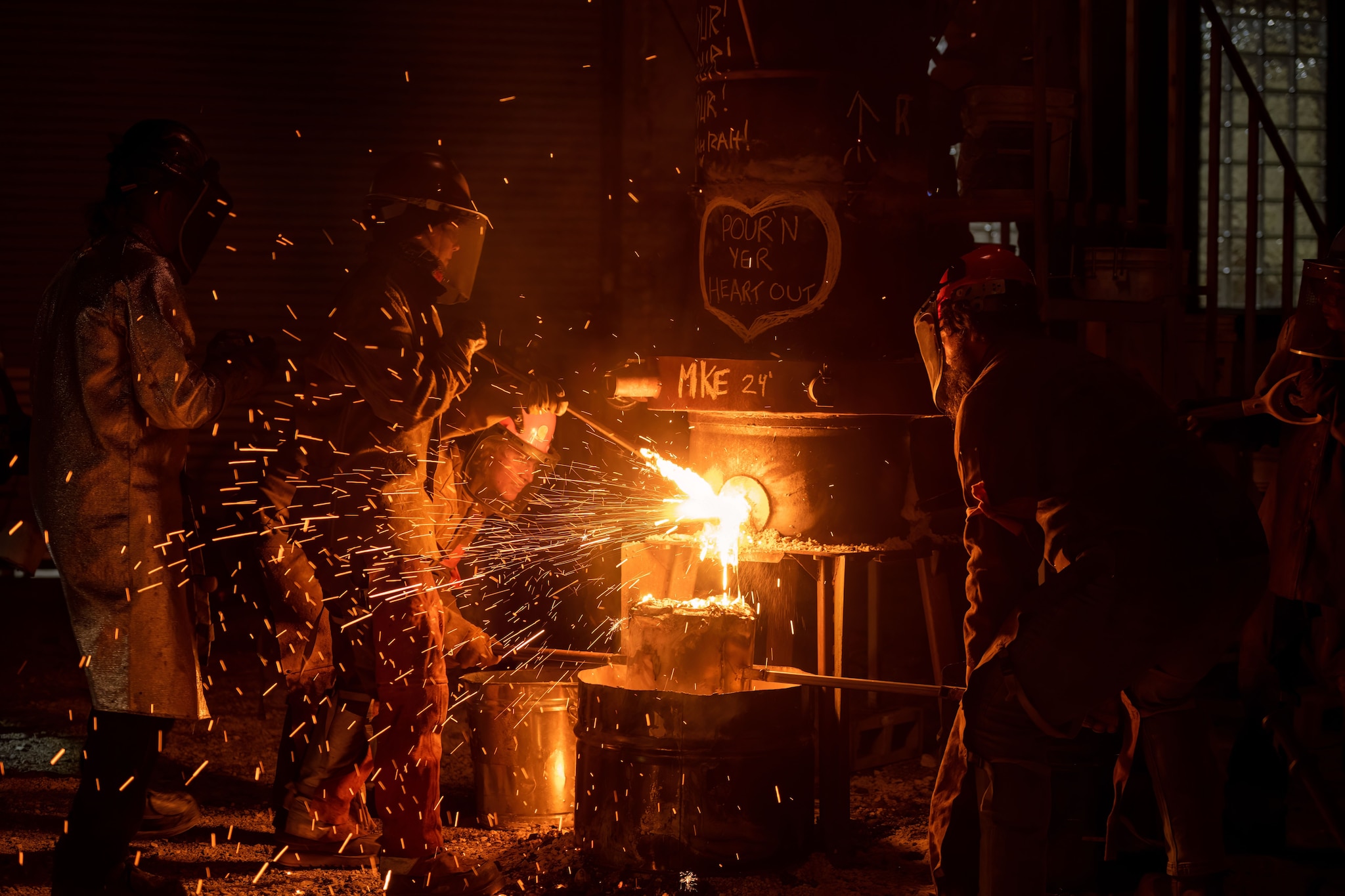
Iron and Steel Workers: Structural ironworkers operate at extreme heights, manipulating heavy structural metal under volatile weather conditions. AI cannot match the agility, physical strength, and safety-critical coordination required to align, weld, and secure massive steel beams. (Image: Pexels)
Source link
[ad_3]

