
ottawa42 minutes ago
- copy link
Canada has officially admitted for the first time that Khalistani terrorists present in Canada were behind the bomb blast on Air India Flight 182 ‘Kanishka’ in 1985. Canada’s intelligence agency Canadian Security Intelligence Service (CSIS) has described the incident as a ‘heinous terrorist act’.
On June 23, on the 41st anniversary of this incident, CSIS paid tribute on social media. During this time the agency wrote,

On National Memorial Day of Victims of Terrorism, we remember the 329 people on board Air India Flight 182 who lost their lives in a heinous terrorist attack.
All 329 people on board the plane died in this accident. Of these, 268 were Canadian citizens, mostly of Indian origin. 24 people were citizens of India.
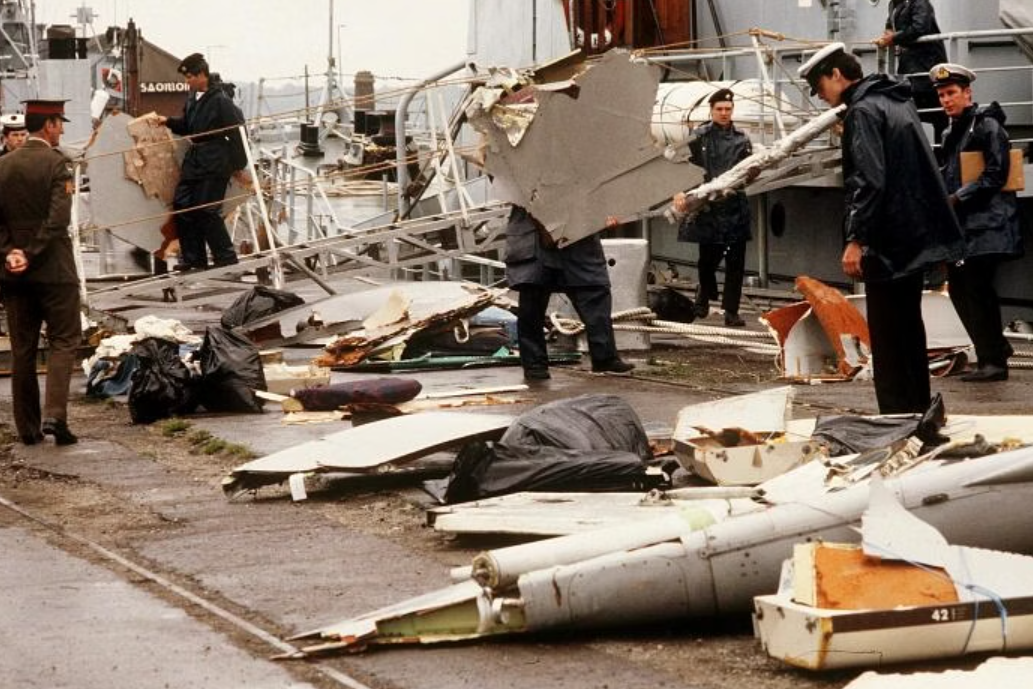
Irish Naval Authority personnel collecting the debris of Kanishka aircraft.
Prime Minister Mark Carney also paid tribute
On June 23, 1985, Air India flight 182 ‘Kanishka’ was coming from Montreal to New Delhi via London. About 45 minutes before reaching London’s Heathrow Airport, there was a massive explosion in the plane over the Atlantic Ocean off the coast of Ireland and the plane broke in the air and fell into the sea. All the people aboard died.
Canadian Prime Minister Mark Carney has also described this incident as the deadliest terrorist attack in the country’s history. He said, “41 years ago, the Air India Flight 182 bombing took the lives of 329 innocent people, including 268 Canadians. It remains the worst terrorist attack in Canadian history. Canada stands against violent terrorism in all its forms.”
Investigation revealed that the explosive was hidden in a suitcase and kept in the check-in baggage of the plane. The passenger in whose name this suitcase was checked in did not board the plane himself.
Canadian investigative agencies concluded that the attack was in response to Operation Blue Star in 1984. During Operation Blue Star, the Indian Army had launched a campaign against the terrorists hiding in the Golden Temple complex in Amritsar. According to investigation, in retaliation to this, Sikh separatists targeted an Air India plane.
The attack on Air India Flight 182 is still considered the world’s deadliest bomb blast on a passenger plane. Although the incident fell out of discussion globally after the 9/11 attacks of 2001, it is still not forgotten in Canada, India and Ireland.

In this picture, rescue workers can be seen removing dead bodies after the Air India bombing in Ireland.
Why did Canada take 41 years to say this?
India kept saying from the beginning that this attack was planned by Khalistani terrorists operating from Canadian soil. But the Canadian government and government institutions avoided using the word ‘Khalistani’ publicly for many decades. There are many reasons behind this.
1. Big failure of investigating agencies
A 2010 public inquiry chaired by former Supreme Court of Canada judge John Major said that several serious mistakes by Canada’s security agencies undermined the investigation.
The biggest mistake was that CSIS monitored Babbar Khalsa leader Talwinder Singh Parmar, but later destroyed hundreds of hours of his phone recordings. This led to the loss of important evidence and weakening of the case.
2. Lack of coordination between CSIS and RCMP
There were disagreements over information sharing between Canada’s intelligence agency CSIS and police agency RCMP. This affected the investigation.
3. The attack was considered an Indian matter
The inquiry commission said that since the plane belonged to Air India, at many political and administrative levels it was considered a matter primarily related to India. While most of those killed were Canadian citizens. This made the attack less serious as a Canadian national security issue.
4. The case weakened in the court
Key witnesses received threats, some were even murdered. Due to weak evidence, the main accused were acquitted by the court in 2005 due to lack of sufficient evidence.
5. The government apologized, but avoided taking names
In 2010, then-Prime Minister Stephen Harper apologized to the victims’ families and acknowledged that the government had failed in its handling of the case. Despite this, for many years Canadian government agencies continued to use general terms such as extremist or extremist and did not directly refer to Khalistani extremists.
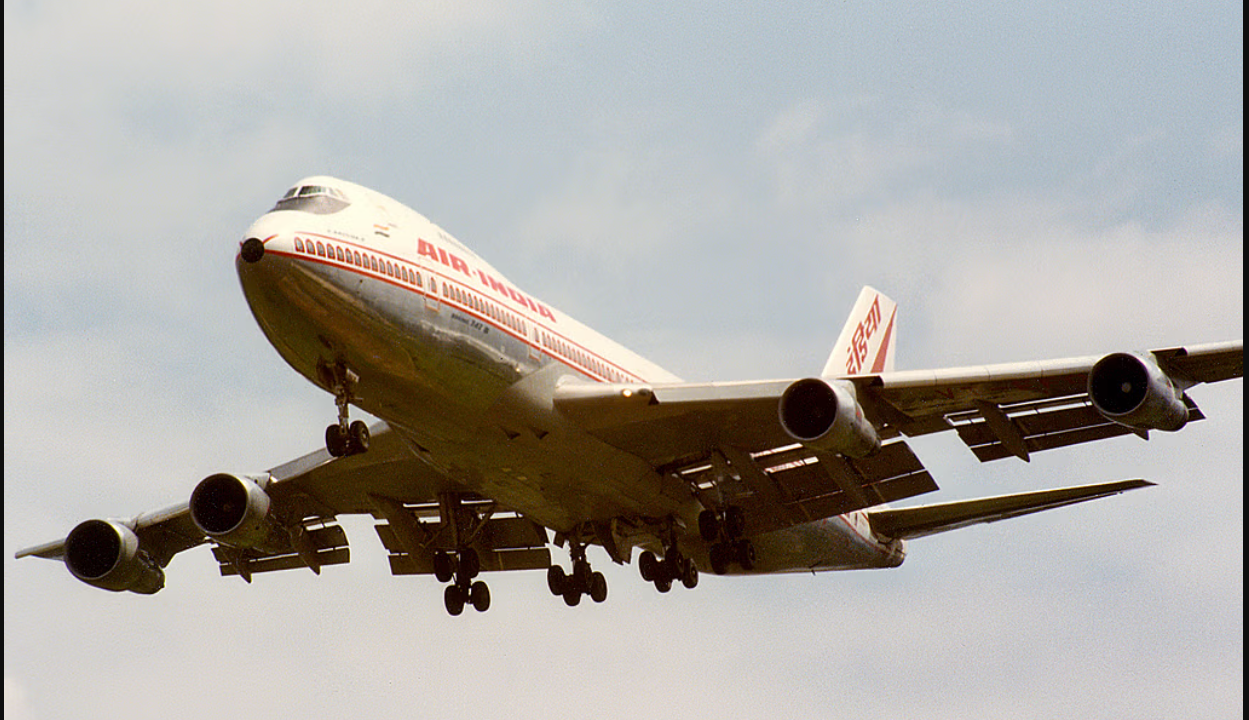
Picture of Air India’s Kanishka aircraft about 2 weeks before the blast
How did the situation change now?
In recent years, tension between India and Canada regarding Khalistani activities has continuously increased. India has long alleged that Canada allows pro-Khalistan networks to operate freely in the name of freedom of expression and political activities.
Meanwhile, CSIS, in its 2025 annual report, for the first time described Canada Best Khalistani Extremists (CBKE) as a threat to Canada’s national security.
The report said that some such networks use Canadian institutions to raise money and divert it towards violent activities. It was also said that their violent activities remain a national security threat to Canada and its interests.
———————————–
Read the case related to Kanishka plane crash in detail here…
When Khalistanis blew up Indian plane: 329 people were on board, no one survived
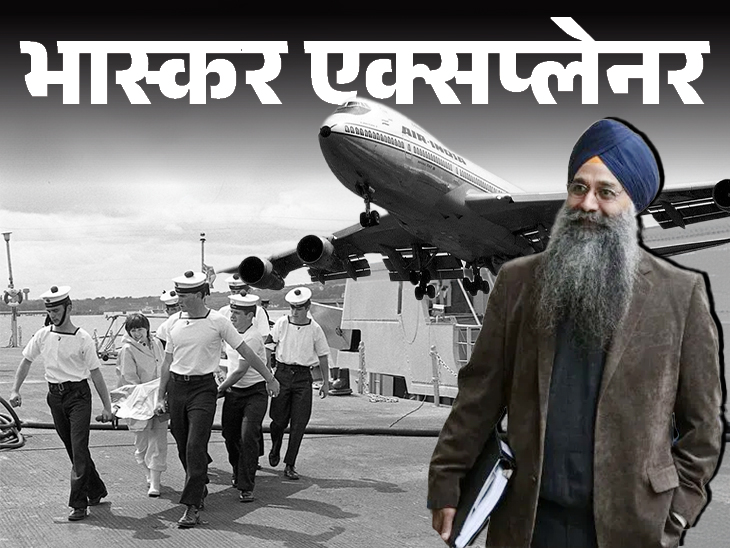
Morning of June 23, 1985
Air India flight number ‘182’ was coming to India from Canada via London. There were 307 passengers and 22 crew members on board. This was a Boeing 747 aircraft, which was named Kanishka by Air India. Read the full news here…

Source link
[ad_3]

