
The US Citizenship and Immigration Services stated that people who come to the US temporarily have so far been allowed to change their status in the US which should not be the case as their intention does not match: they come temporarily but want to become permanent residents, Therefore, they should go back to their country and follow the due process from their own country with the intention of becoming a permanent citizen. Amid this, here’s a look at the countries that obtain maximum Green Cards.
Here’s a look at the top 10 countries that get highest numbers of Green Cards, according to a 2023 record of the Department of Homeland Security.

Mexico (180, 530): Mexico remains the undisputed leader, largely driven by immediate relative petitions and family-sponsored preferences. Its geographic proximity and deeply integrated cross-border communities ensure a massive, consistent flow of residents who contribute significantly to the American labor force and social fabric. (Image: Pexels)
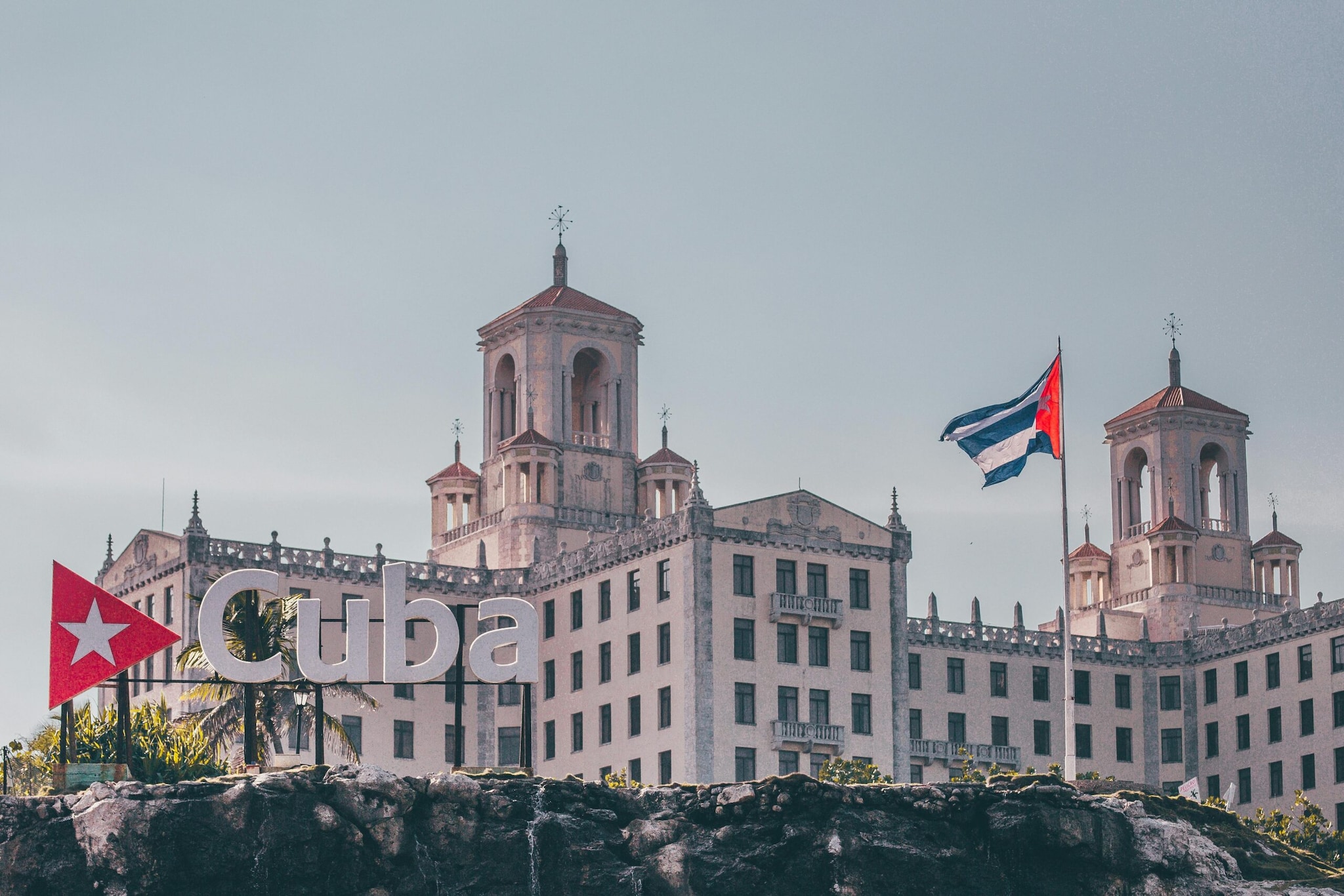
Cuba (81, 600): Cuba’s high ranking is uniquely influenced by the Cuban Adjustment Act, which provides a specialized pathway to residency. This legal framework, combined with strong humanitarian programs and family ties in Florida, allows a high volume of Cubans to transition to permanent status. (Image: Pexels)

India: (78,070): India is the powerhouse of employment-based immigration, specifically within the H-1B to Green Card pipeline. Despite grueling backlogs for certain categories, Indian professionals—highly valued in tech and medicine—account for a major portion of the skills-based American economy and workforce. (Image: Pexels)
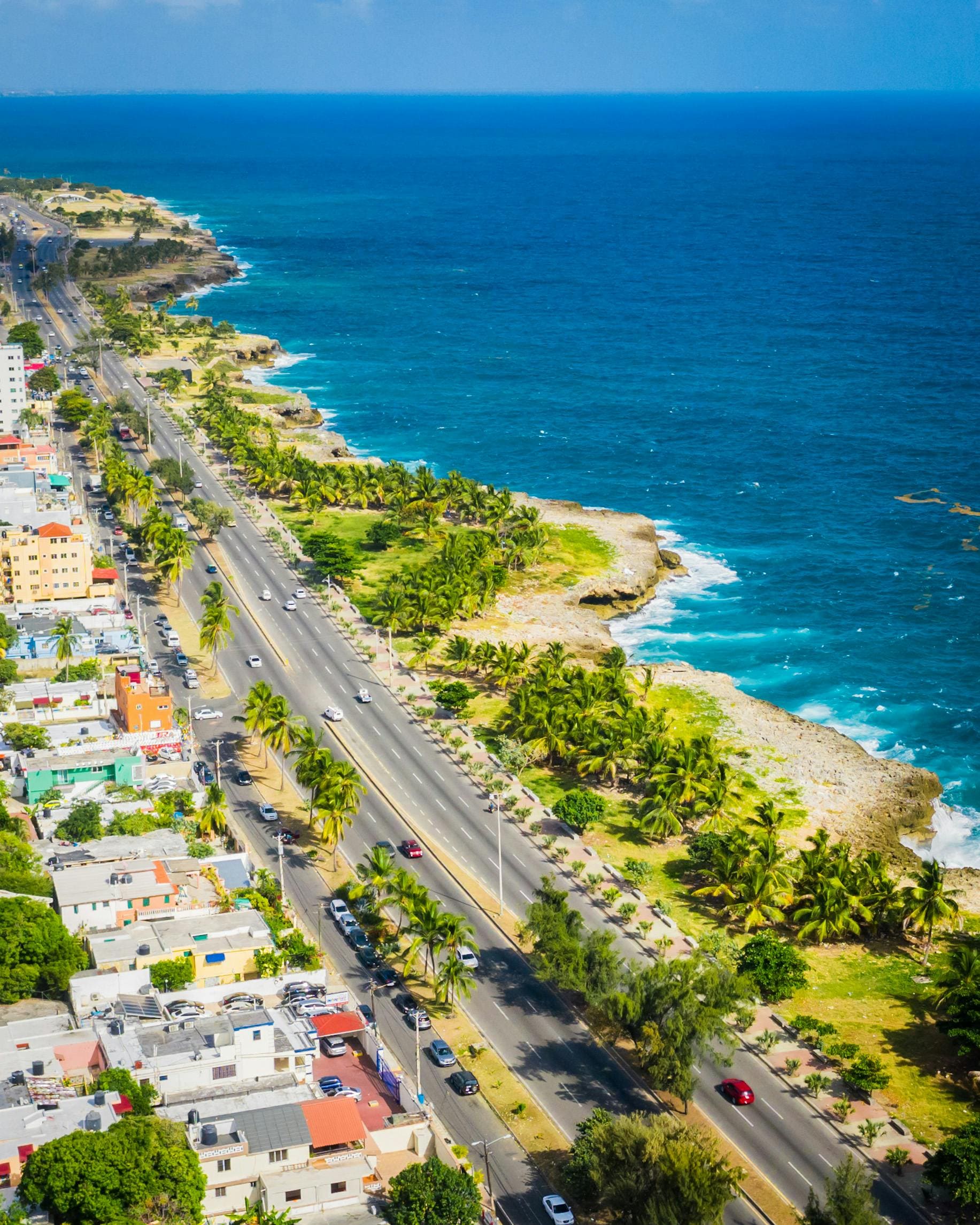
Dominican Republic (68, 870): Immigration from the Dominican Republic is almost exclusively family-driven. Large, established Dominican enclaves in cities like New York facilitate a steady stream of sponsorship for spouses, children, and parents, maintaining its position as a top source of new permanent residents. (Image: Pexels)

China (59, 260): China maintains a diverse portfolio of Green Card recipients, spanning high-level researchers, investors via the EB-5 program, and family members. As a major contributor to U.S. academia and venture capital, Chinese nationals remain a vital demographic in the residency pool. (Image: Pexels)
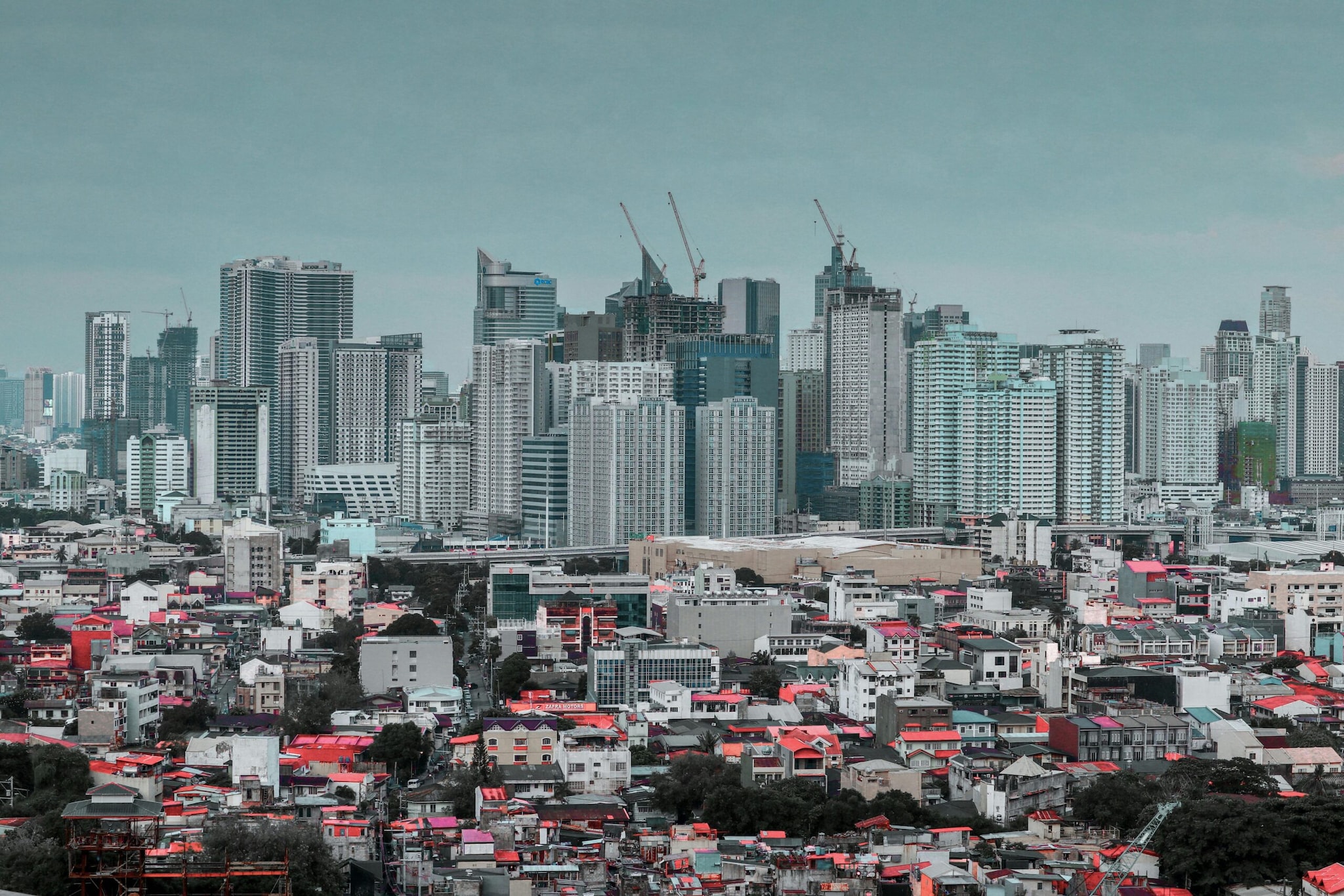
Philippines (49,200): The Philippines has a longstanding tradition of filling critical gaps in the U.S. healthcare sector. Thousands of nurses and health professionals obtain residency annually, supplemented by a robust network of family-sponsored applicants who join their relatives already settled across the states. (Image: Pexels)
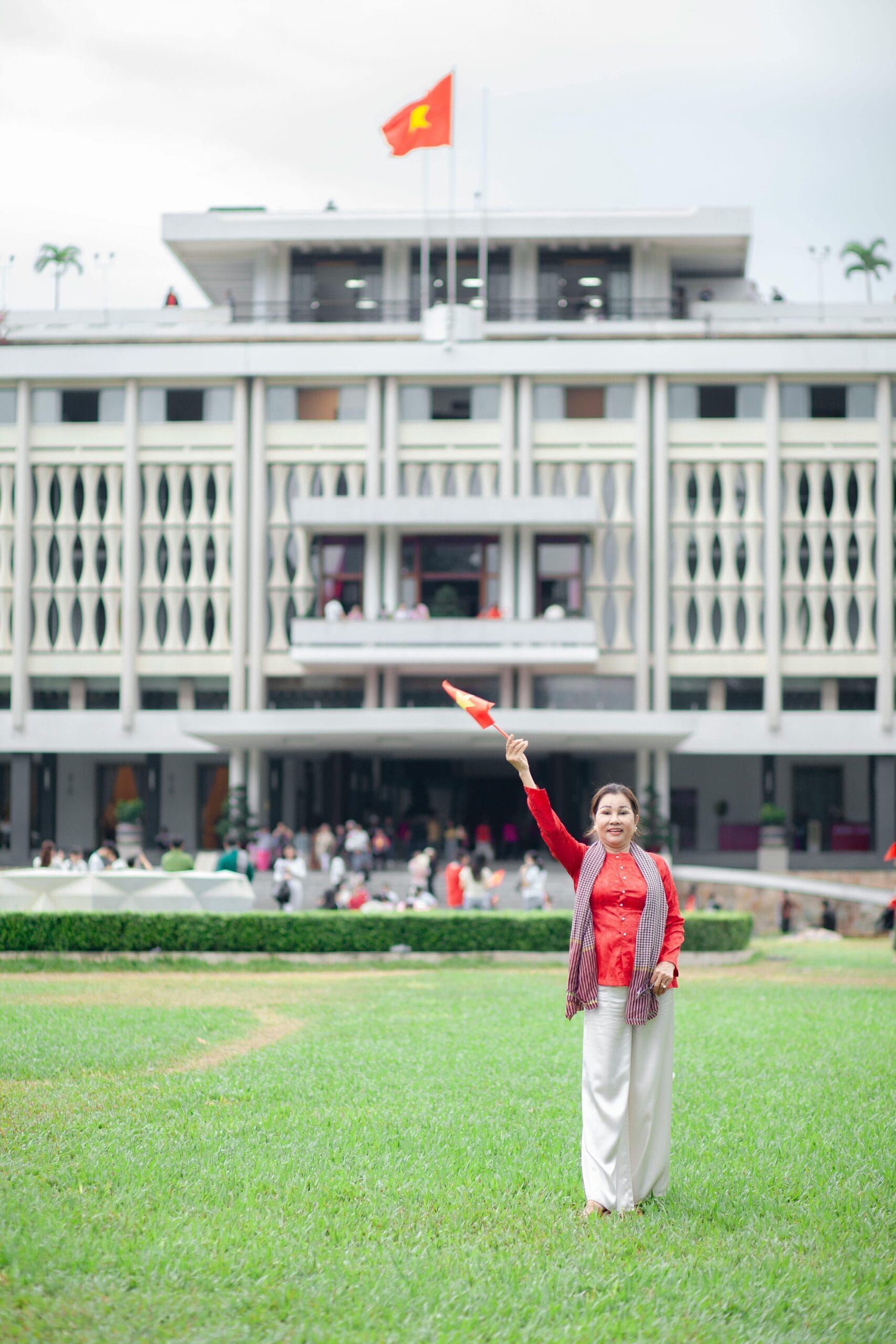
Vietnam: (36,000): Vietnam’s steady numbers are rooted in successful family reunification chains established over several decades. The Vietnamese-American community is highly active in sponsoring relatives, ensuring that family-based categories remain the primary vehicle for obtaining Lawful Permanent Resident status for this nation. (Image: Pexels)
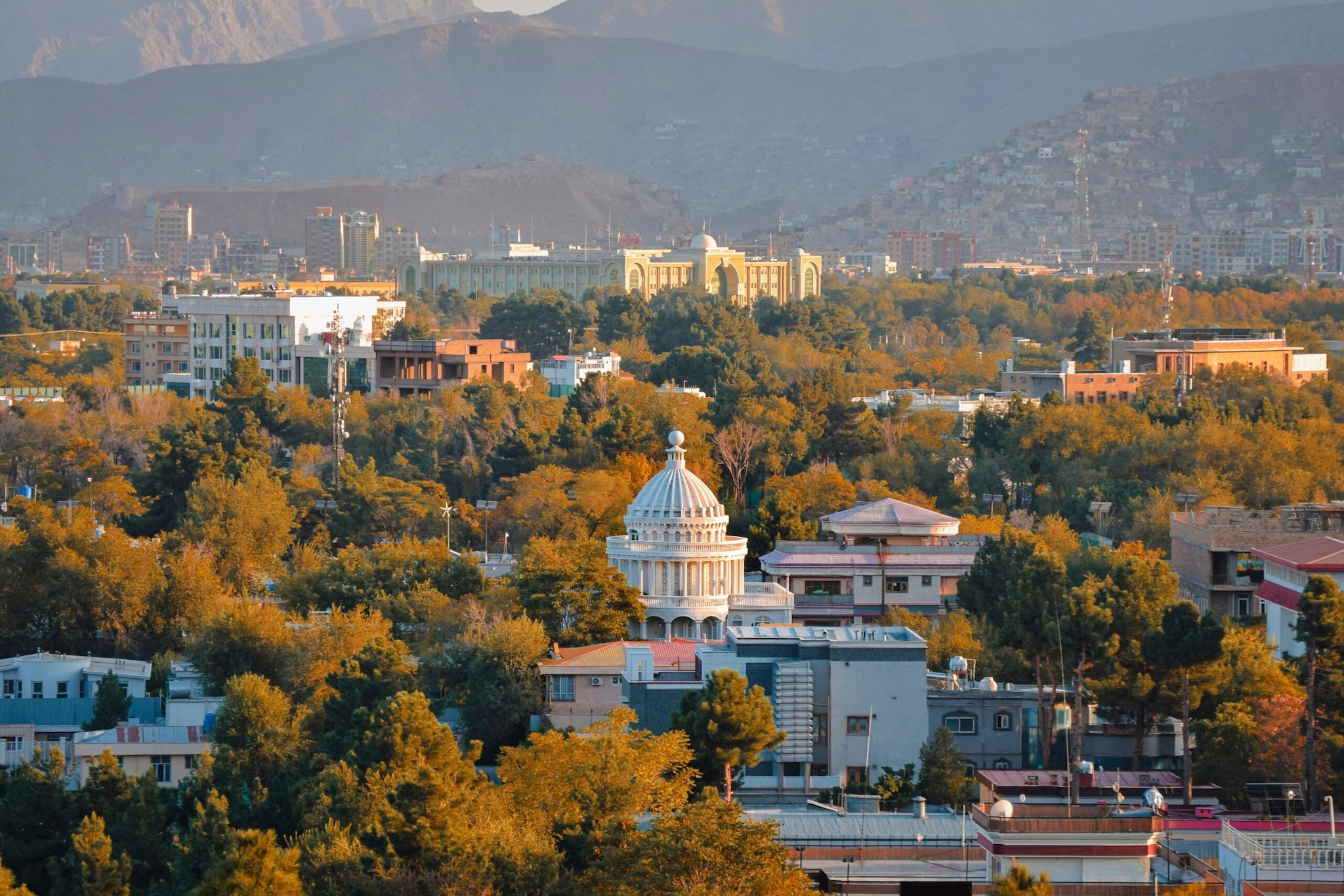
Afghanistan (30,300): Afghanistan’s presence on this list is largely due to Special Immigrant Visas (SIVs) and humanitarian pathways. Following geopolitical shifts, the U.S. has prioritized residency for Afghan allies and those seeking refuge, leading to a significant recent spike in Green Card issuances. (Image: Pexels)
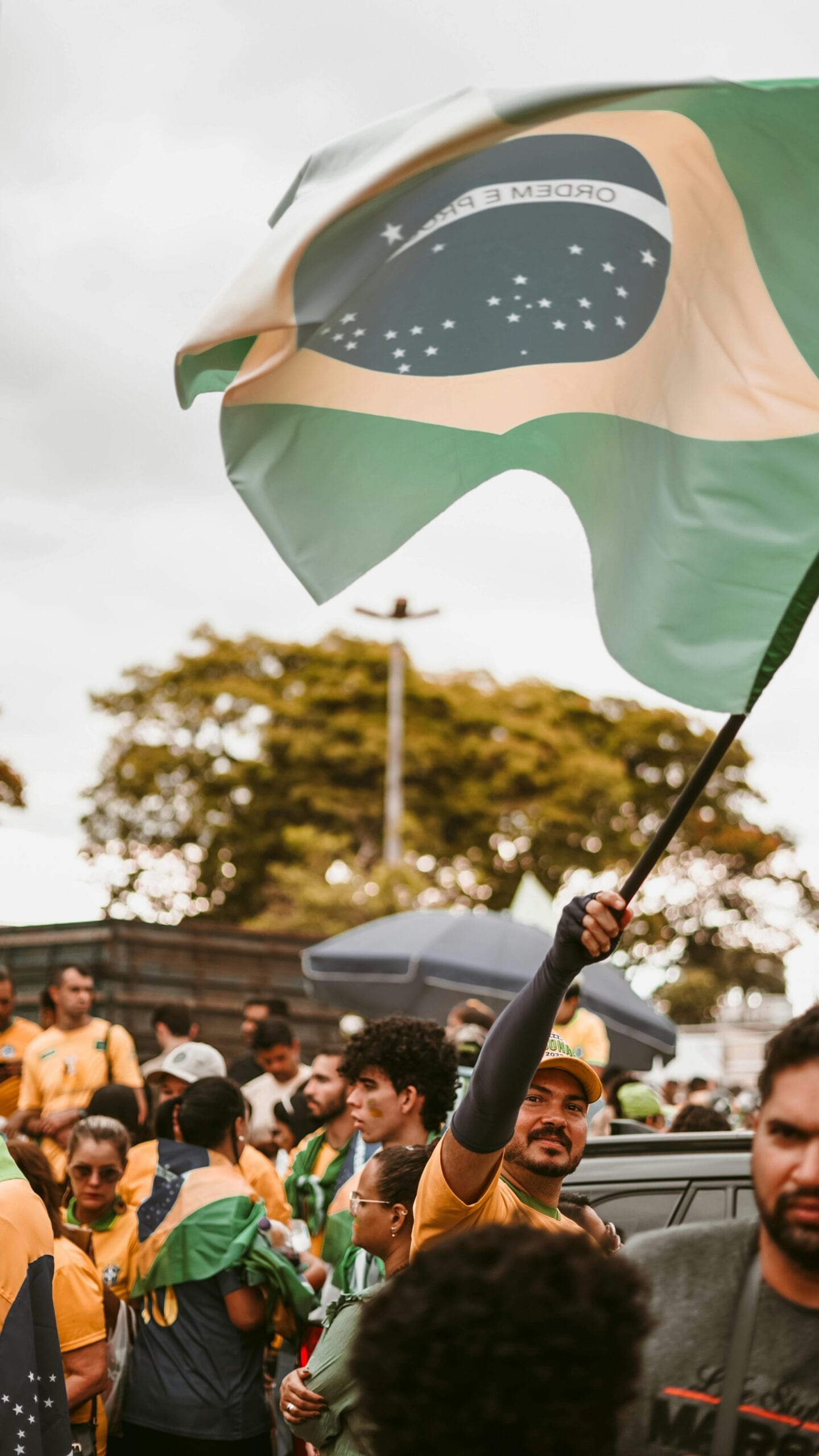
Brazil (28,880): Brazil has seen an upward trend in EB-2 National Interest Waivers and EB-1 visas for individuals with extraordinary abilities. This shift highlights a growing wave of Brazilian entrepreneurs and experts moving to the U.S. to contribute to specialized industries. (Image: Pexels)
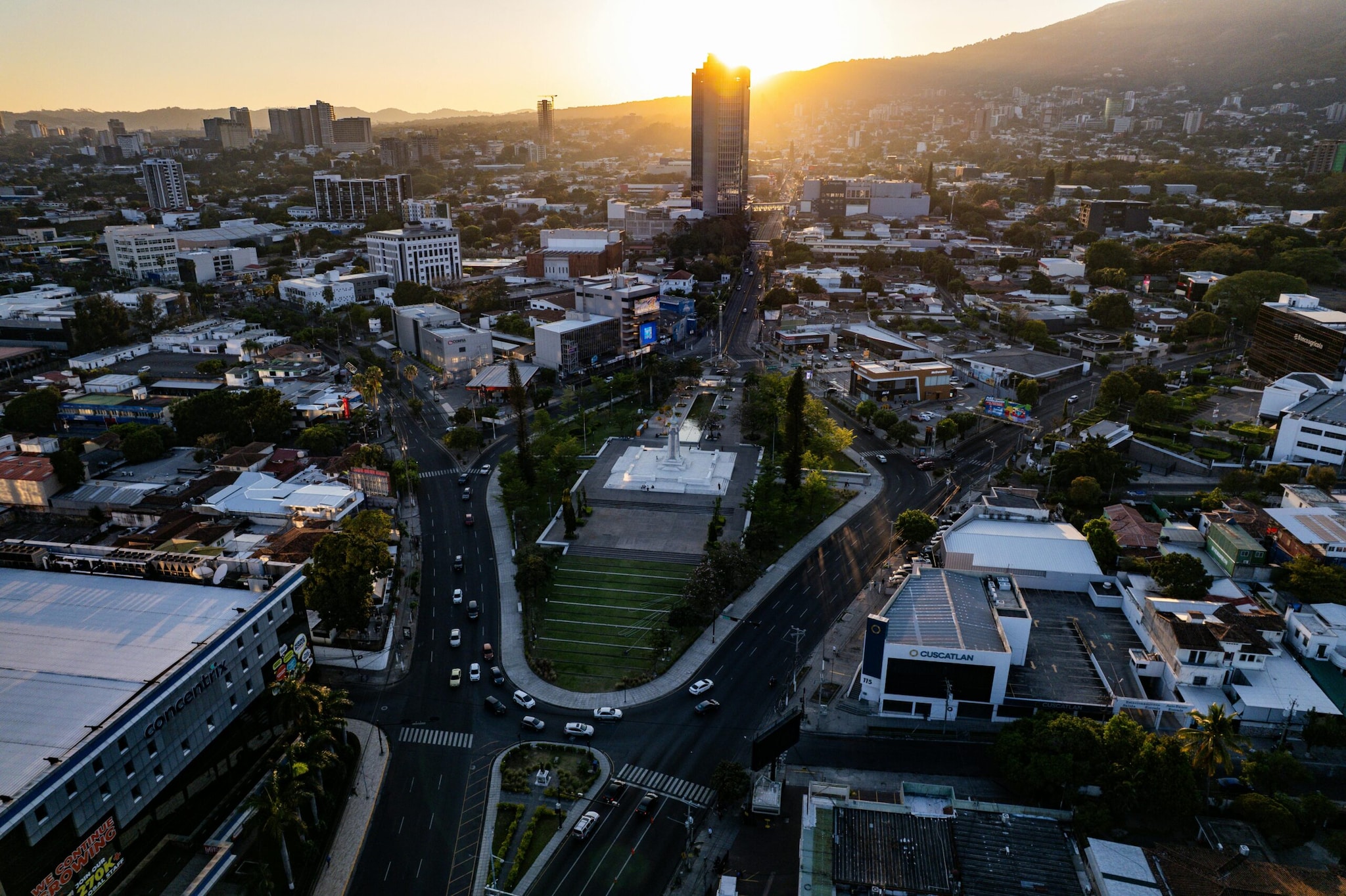
El Salvador (26, 210): El Salvador’s immigration is characterized by strong family ties and various protected statuses that eventually lead to permanent residency. The Salvadoran diaspora remains one of the most active groups in utilizing family preference categories to bring loved ones to the U.S. (Image: Pexels)
Source link
[ad_3]

