
We know climate change melts glaciers and worsens floods. But there’s also another devastating consequence of a rapidly warming planet that’s only coming to light now.
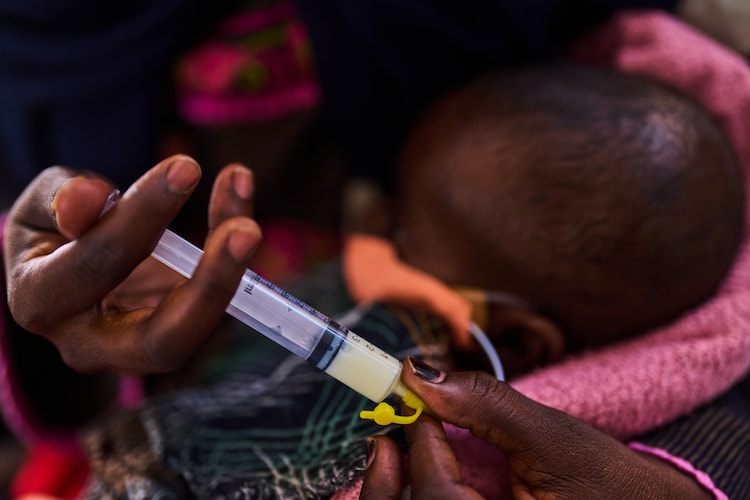
Climate change is making children go malnourished.
Research published in the journal The Lancet Planetary Health has found that as temperatures rise, so do the chances of young children suffering from malnutrition, a condition where the body does not get the nutrients it needs to grow and function, and which can cause lifelong health damage or even death.
WHAT DID THE RESEARCH FIND
The study analysed health data from over 6.5 million children between the ages of one and five across Brazil, collected between 2007 and 2018.
Researchers tracked each child’s height and weight, both of which are considered standard markers to detect malnutrition. They then tried and find a link between the physiological changes in children and the daily temperature records from across the country.
What they feared came to pass. The researchers found that every 1C rise in local temperatures above 26C was linked to a 10% greater chance of a child being underweight, and an 8% increase in the odds of both short-term and long-term malnutrition.
“Since the 1980s, Brazil has strived to reduce child malnutrition. Now, the country is being affected by climate change, and this could help reverse the progress we’ve made,” nutrition researcher Priscila Ribas of the Oswaldo Cruz Foundation’s Centre for Data and Knowledge Integration for Health in Salvador, Brazil told Science News.
SOME HIT WORSE THAN OTHERS
The children studied were already from disadvantaged backgrounds. Meaning, they were enroled in government social support programmes, meaning their families depended on federal aid to get by. But even within this already-vulnerable group, some suffered far more than others.
Indigenous children and those from Brazil’s North and Northeast regions, which is the country’s poorest regions, were the hardest hit, as were those in rural and poor urban areas.
One in four Indigenous children were found to be stunted, meaning unusually short for their age; a rate more than twice that of other racial and ethnic groups.
“We looked at a wider group which is already underprivileged, since they rely on federal aid. Still, the most vulnerable within this group were the most affected,” Ribas noted.
ARE HEAT AND HUNGER RELATED?
The connection between hot weather and hungry children is not immediately obvious, so how exactly does one cause the other?
Researchers believe the answer largely lies in what extreme heat does to food systems.
“There are a few hypotheses,” said Aline de Carvalho, a nutrition researcher at the University of Sao Paulo. “But we saw that climate change can have a link to malnutrition via food systems: severe weather affects crops, which causes food prices to rise, and more vulnerable groups will be directly affected.”
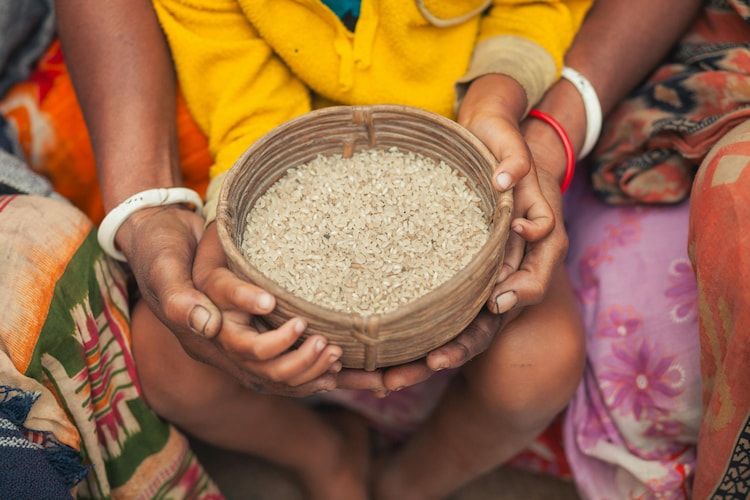
This impact falls the hardest on local fruits and vegetables rather than on staples like rice and beans, which travel from farther away and are less affected by local climate shocks.
The researchers hope that the study will help lawmakers to create policies to protect children from the harsh realities of climate change.
For now, the researchers are pressing further. They want to understand whether extreme temperatures affect breastfeeding and whether heat plays a role in hospital admissions among children with diarrhoea, malnutrition, and dehydration, making clear that the climate crisis is no longer only an environmental story.
– Ends
Source link
[ad_3]

