
UPI stands for Unified Payments Interface. It is developed by the National Payments Corporation of India’s (NPCI) as an instant payment service that allows you to transfer funds from one bank account to another from your mobile phone and using unique UPI ID. (Representative Image: AI generated)
Payments platform PhonePe and Yes Bank, launched India’s first mobile UPI payments app. At the time, Yes Bank was among the initial 21 banks to roll out UPI services. PhonePe also became the first private company to introduce a UPI-based app, which was made available on the Google Play Store, and it operated as a subsidiary of Flipkart. (File Photo)
BHIM (Bharat Interface for Money) is a digital payments app developed by the National Payments Corporation of India and was launched by Narendra Modi on 30 December 2016. It was introduced to promote financial inclusion and support the growth of a cashless, digital economy in India, becoming the first UPI app released by the government that year. (File Photo)
If you’re wondering which was the first government-backed UPI app, the answer is BHIM, launched on 30 December 2016 by the National Payments Corporation of India. (File Photo)
On the commercial side, PhonePe, introduced in August 2016 with Yes Bank, holds the distinction. (File Photo)
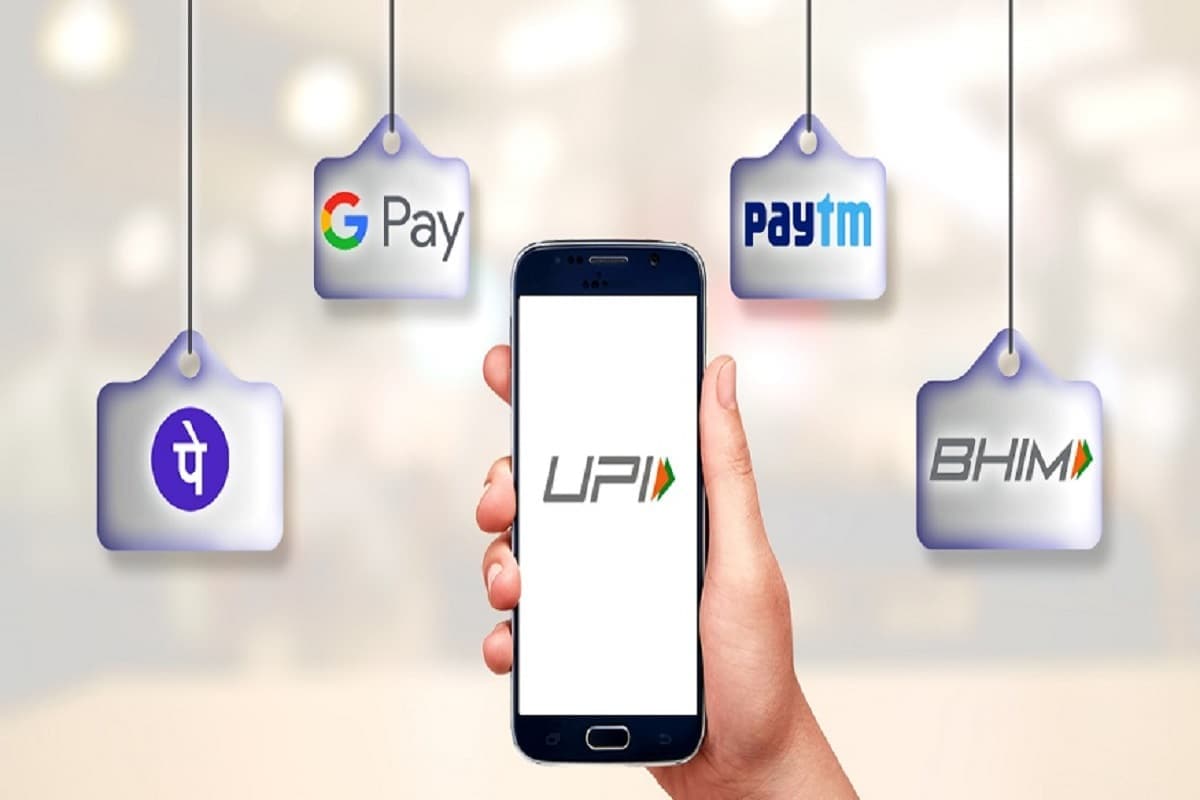
These platforms revolutionised digital payments and made cashless transactions accessible to millions across India. (File Photo)
Source link
[ad_3]

