
There is a quiet tax on convenience that most of us pay without thinking twice. You walk down the supermarket aisle, pick up a tiny bottle of vanilla extract, a box of cream cheese, or a jar of tahini, glance at the price, wince a little, and put it in the trolley anyway. It has become routine. But here is the thing, most of these so-called “fancy” or “expensive” ingredients are not complicated at all. They just sound that way. Many of them require a handful of simple ingredients, a bit of patience, and no special equipment. This list is your sign to stop paying supermarket prices for things you can make beautifully at home.
Why This Matters More Than You Think
Before we get into the recipes, it is worth understanding what exactly you are paying for when you buy these ingredients off a shelf. A large part of the cost goes towards packaging, branding, preservatives, and shelf life. The actual ingredients that go into making these products are often remarkably inexpensive. When you make them at home, you skip all of that and end up with something fresher, cleaner, and often far better in flavour. For an Indian household where these ingredients are increasingly being used in baking, cooking, and everyday meals, that adds up to real savings over time.
Here Are 7 Pricey Kitchen Ingredients You Can Make At Home
1. Vanilla Extract
A small 100ml bottle of pure vanilla extract at an import store or gourmet supermarket in India can cost anywhere between Rs 400 and Rs 800. The homemade version costs a fraction of that and tastes significantly better.
What you need: Vanilla beans (available in speciality stores or online, or in states like Kerala where they are grown), a good quality vodka or rum, and a clean glass jar with a tight lid.
How to make it: Split four to six vanilla beans lengthwise down the middle without cutting all the way through, so the seeds are exposed but the bean stays in one piece. Place them in a clean glass jar. Pour in about 250ml of vodka or rum, making sure the beans are fully submerged. Seal the jar tightly, give it a good shake, and store it in a cool, dark place. Shake it once a week. After six to eight weeks, you will have a rich, deeply fragrant vanilla extract that smells nothing like the synthetic versions.
The longer you leave it, the deeper the flavour. Some batches improve over months. When you use up half the liquid, simply top it up again with more alcohol, and the same beans continue to work for a very long time.
2. Cream Cheese

Photo Credit: iStock
Cream cheese costs around Rs 200 to Rs 400 for a small 200-gram block at most supermarkets in India. It is used in cheesecakes, frosting, dips, and sandwiches. Making it at home takes under 30 minutes of active work.
What you need: 1 litre full-fat milk, 200ml fresh cream, 3 tablespoons white vinegar or lemon juice, and salt to taste.
How to make it: Pour the milk and cream into a heavy-bottomed pan and heat on medium flame until it just begins to boil. Add the vinegar or lemon juice and stir gently. The mixture will curdle almost immediately, separating into curds and whey. Turn off the heat and let it sit undisturbed for five minutes. Line a colander with a muslin cloth or a clean thin cotton dupatta and pour the curdled mixture through it. Let it drain for 20 minutes. Transfer the solids to a blender or food processor, add a generous pinch of salt, and blend until completely smooth and creamy. Refrigerate for an hour before using. It keeps well in an airtight container for up to a week.
The texture is almost identical to store-bought cream cheese, and the flavour is fresher and cleaner.
3. Tahini

Photo Credit: iStock
Tahini is the sesame paste used in hummus, salad dressings, and Middle Eastern cooking. It has become popular in Indian urban kitchens and health food circles, but a decent jar of tahini can cost Rs 300 to Rs 600 at speciality stores. You can make a full jar at home for Rs 80.
What you need: 200 grams white sesame seeds, 3 to 4 tablespoons neutral oil (like sunflower or light olive oil), a pinch of salt.
How to make it: Toast the sesame seeds in a dry pan on low heat, stirring constantly, until they turn very lightly golden and smell nutty. Be careful, they burn quickly. Remove from heat and let them cool completely. Transfer to a blender or food processor and blend. At first, they will look like dry crumbs, but keep going. After two to three minutes, add the oil gradually and continue blending until a smooth, pourable paste forms. Add salt, blend once more, and transfer to a clean jar. It keeps in the fridge for up to a month.
The homemade version has a slightly stronger roasted flavour than commercial tahini, which many people actually prefer.
4. Butter (Compound Butter)
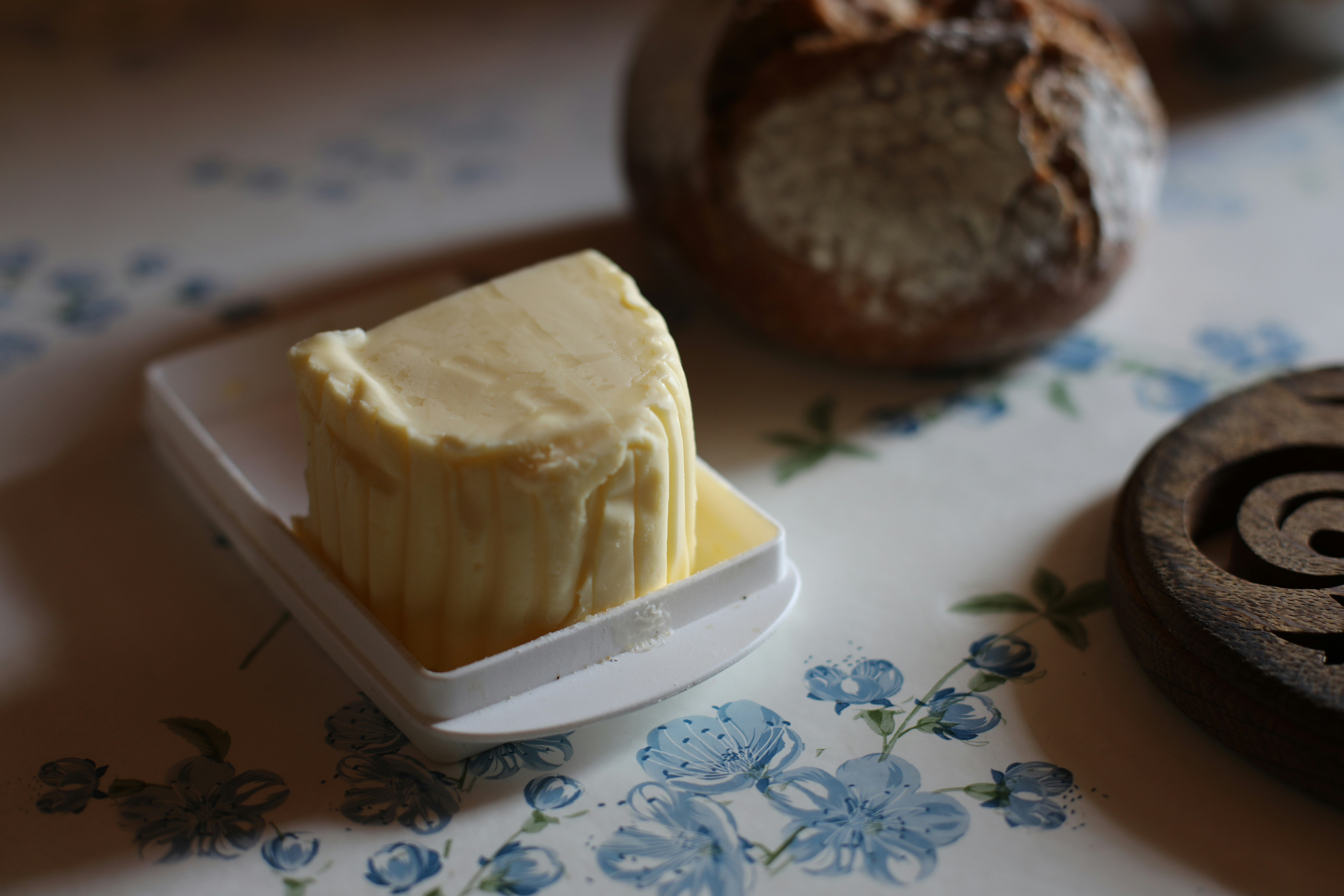
Flavoured compound butters, the kind sold in gourmet stores for Rs 300 or more for a tiny roll, are one of the most straightforward things to make at home. Herb butter, garlic butter, chilli butter, and honey-cinnamon butter all follow the same method.
What you need: 100 grams unsalted butter at room temperature, your choice of flavourings.
For garlic herb butter: 3 garlic cloves finely minced, 2 tablespoons fresh herbs (coriander, parsley, or chives work beautifully), a pinch of salt, and a little lemon zest if you have it.
How to make it: Mash the softened butter in a bowl until smooth. Add all the flavourings and mix thoroughly until everything is evenly distributed. Lay out a sheet of cling film and spoon the butter along the bottom edge. Roll it tightly into a log shape, twisting the ends to seal. Refrigerate for two hours or freeze for longer storage. Slice off rounds as needed.
You can customise this endlessly, blue cheese and walnut, roasted garlic and thyme, chilli and lime. The possibilities match any recipe you are cooking.
5. Almond Milk
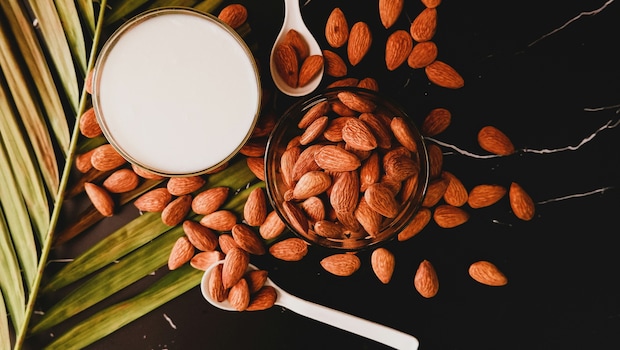
Photo Credit: Unsplash
A litre of almond milk from the store costs anywhere between Rs 150 and Rs 300 in Indian cities. Most commercial versions contain very little actual almond, sometimes as little as 2 percent. Homemade almond milk uses real almonds and tastes incomparably better.
What you need: 1 cup raw almonds, 4 cups water, a pinch of salt, and an optional sweetener like honey or dates.
How to make it: Soak the almonds in water overnight or for at least eight hours. Drain and rinse them. Add the soaked almonds and four cups of fresh water to a blender. Blend on high for about two minutes until completely broken down and milky. Strain through a muslin cloth or nut milk bag into a bowl, squeezing to extract all the liquid. Add salt and any sweetener you like, give it a stir, and refrigerate. It keeps for three to four days. The leftover almond pulp can be dried and used in baking as almond meal.
The flavour is nutty, fresh, and noticeably fuller than anything from a carton.
6. Peanut Butter
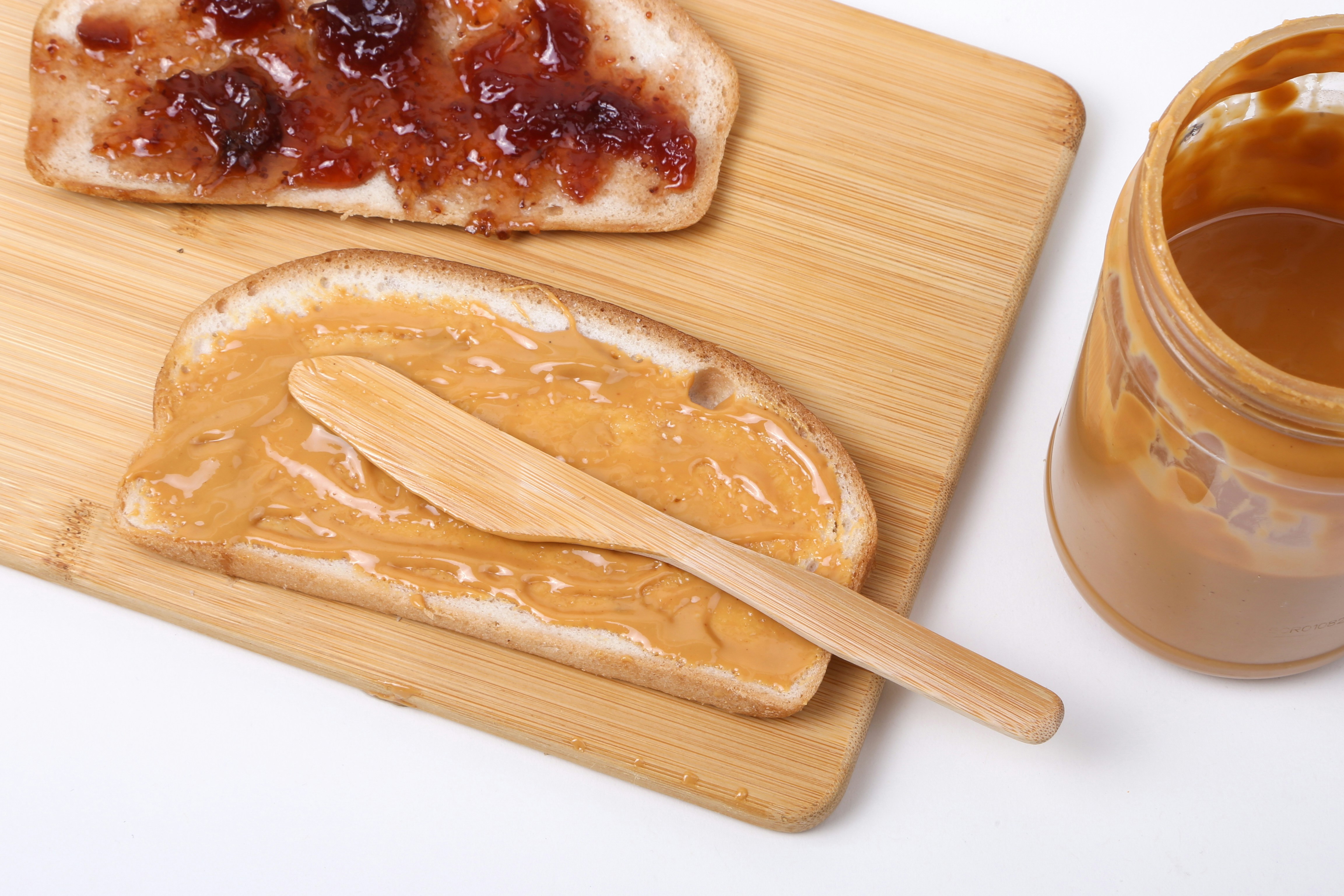
A good jar of natural peanut butter in India costs Rs 250 to Rs 500, depending on the brand. The ingredient list on many commercial versions includes sugar, palm oil, and stabilisers. Homemade peanut butter has one ingredient: peanuts.
What you need: 2 cups roasted peanuts (unsalted), a pinch of salt, and 1 to 2 teaspoons of honey or jaggery if you want it sweet.
How to make it: Roast raw peanuts in a dry pan or in the oven at 180°C for 8 to 10 minutes until they are golden and fragrant. Let them cool completely; this is important, as warm peanuts create a runnier texture. Transfer to a food processor and blend. For the first minute, it will look dry and crumbly. Keep going. After two to three minutes, the natural oils will release and the mixture will become smooth and creamy. Add salt, blend once more, and transfer to a jar. If you want it chunky, add a handful of roughly chopped roasted peanuts at the very end and pulse just twice.
This keeps at room temperature for two weeks and in the fridge for up to a month.
7. Saffron Simple Syrup

Saffron is one of the most expensive spices in the world, but used correctly in a simple syrup, a small quantity goes a very long way. Ready-made saffron syrup sold at gourmet stores can cost Rs 400 to Rs 600 for a small bottle. The homemade version uses just a pinch of saffron and costs almost nothing to make once you already have the spice at home.
What you need: A generous pinch of good-quality saffron (about 20 to 25 strands), 1 cup sugar, 1 cup water, 1 teaspoon rose water (optional).
How to make it: In a small bowl, steep the saffron strands in two tablespoons of warm water for 10 minutes until the water turns a deep golden orange. In a saucepan, combine sugar and one cup of water over medium heat and stir until the sugar dissolves completely. Add the saffron liquid along with the strands, and let the syrup simmer for five minutes until slightly thickened. Add rose water if using, stir, and cool completely before transferring to a glass bottle. It keeps refrigerated for up to three weeks.
Use it in kheer, sherbets, lemonade, cocktails, French toast, and any dessert that needs a luxurious, fragrant touch. A tablespoon goes a long way.
The Real Takeaway
Making these ingredients at home is not about being frugal for the sake of it. It is about understanding what goes into your food, cutting out the unnecessary additives and preservatives that bulk up commercial products, and getting noticeably better flavour in the process. Once you make homemade peanut butter or cream cheese for the first time, going back to the store-bought version genuinely feels like a downgrade. Start with one or two from this list, get comfortable with the process, and slowly you will find that your kitchen can produce things you once thought only a speciality store could provide. Your wallet will notice the difference, and so will anyone who eats your food.
Source link
[ad_3]

