
Summer in India does not ask politely before it arrives. One minute, it is a manageable March evening, and the next, you are standing in your kitchen at 11 pm, sweating, desperately wishing you had something cold and creamy to eat. You open your freezer, find nothing useful, and start looking up ice cream machine prices online, only to close the tab because, honestly, where would you even keep it? Here is the thing: you do not need one. Home-made ice cream has existed far longer than electricity, and the results you can get with a loaf tin, a hand mixer, and an afternoon of occasional effort are genuinely delicious. Here is everything you need to know.
Also Read: Karan Aujla Enjoys Samosas, Cappuccino Chai And Rasgullas In Kolkata Ahead Of Concert
Why No Machine Doesn’t Mean No Good Ice Cream
Understanding an ice cream machine’s function simplifies making ice cream without one. Freezing transforms liquids into solids, forming hard ice crystals. When making ice cream by hand, breaking up these crystals is crucial for a smooth, creamy texture. The machine’s role is to keep the mixture moving, keeping crystals small. You can achieve this manually with more attention.
Homemade ice cream without a machine is richer and denser, offering a pleasurable experience if done correctly. The lack of constant churning results in less air, creating a denser scoop, which many find appealing.
Two methods are effective. The first, the freeze-and-stir method, involves placing your mixture in a wide metal tray, freezing it, and stirring vigorously every 30 to 45 minutes for about three hours. Use a hand mixer or blender if available. Repeat this for two to three hours until frozen. The second method is simpler: whip cream to stiff peaks, fold in your flavoured base, pour into a container, and freeze overnight without stirring. Both techniques are used in the three recipes below.
A key tip: chill the bowl, beaters, condensed milk, and whipping cream in the refrigerator for at least 12 to 24 hours. Freeze a metal tray or container overnight for storage. Metal pans and trays are ideal.
Once transferred to its container, press a sheet of cling film directly onto the ice cream’s surface before sealing to prevent iciness.
A Quick Word On Indian Cream Options
This trips up a lot of people. Heavy whipping cream with 36% to 40% fat content gives the best results. If you cannot find that, Amul Fresh Cream works, though it will only give you soft peaks rather than stiff ones, and your ice cream will be slightly less airy. Milky Mist cream is another good option with higher fat content and no unnecessary additives.
Three Recipes To Make Ice Cream Without The Machine
Recipe One: The Cream Base (No-Churn Vanilla)

This is the easiest ice cream you will ever make. This is a Philadelphia-style ice cream, which means it contains no eggs, just cream and sweeteners. The result is a lighter, more delicate dessert that is also cheaper and less labour-intensive. It is most suited for milder flavours that would normally be overpowered by an eggy custard, such as vanilla or fruit-flavoured ice creams.
It comes together in about ten minutes and needs no stirring during freezing. The condensed milk does double duty here: it sweetens and it also keeps the mixture from freezing rock solid, thanks to its high sugar content.
Ingredients (serves 6):
- 400 ml heavy whipping cream, chilled
- 1 tin (400 g) sweetened condensed milk, chilled
- 2 teaspoons pure vanilla extract
- A pinch of fine salt
Method: Take your chilled bowl and chilled beaters and whip the cream starting on low speed, then increasing to medium. Whip until stiff peaks form, which takes about 7 to 8 minutes. Be careful not to overwhip, as the cream can turn grainy. In a separate small bowl, stir the condensed milk together with the vanilla extract and the salt. Take two generous spoonfuls of the whipped cream and stir them into the condensed milk mixture first; this makes it easier to combine everything without deflating the cream. Then gently fold the condensed milk mixture back into the whipped cream using a spatula, working from the bottom up, until just combined. Transfer to your pre-chilled metal container, smooth the top, press cling film directly onto the surface, cover, and freeze for 8 to 12 hours.
Indian-friendly variations:
- For mango ice cream: Swap the vanilla for 200 g of thick Alphonso mango puree (Kesar works beautifully too).
- For rose and cardamom: Add a tablespoon of rose water and half a teaspoon of cardamom powder instead of the vanilla.
- For a paan flavour: Blend fennel seeds, rose petals, and a small amount of gulkand, then fold in.
Recipe Two: The Custard Base (Eggless, Cornflour Set)
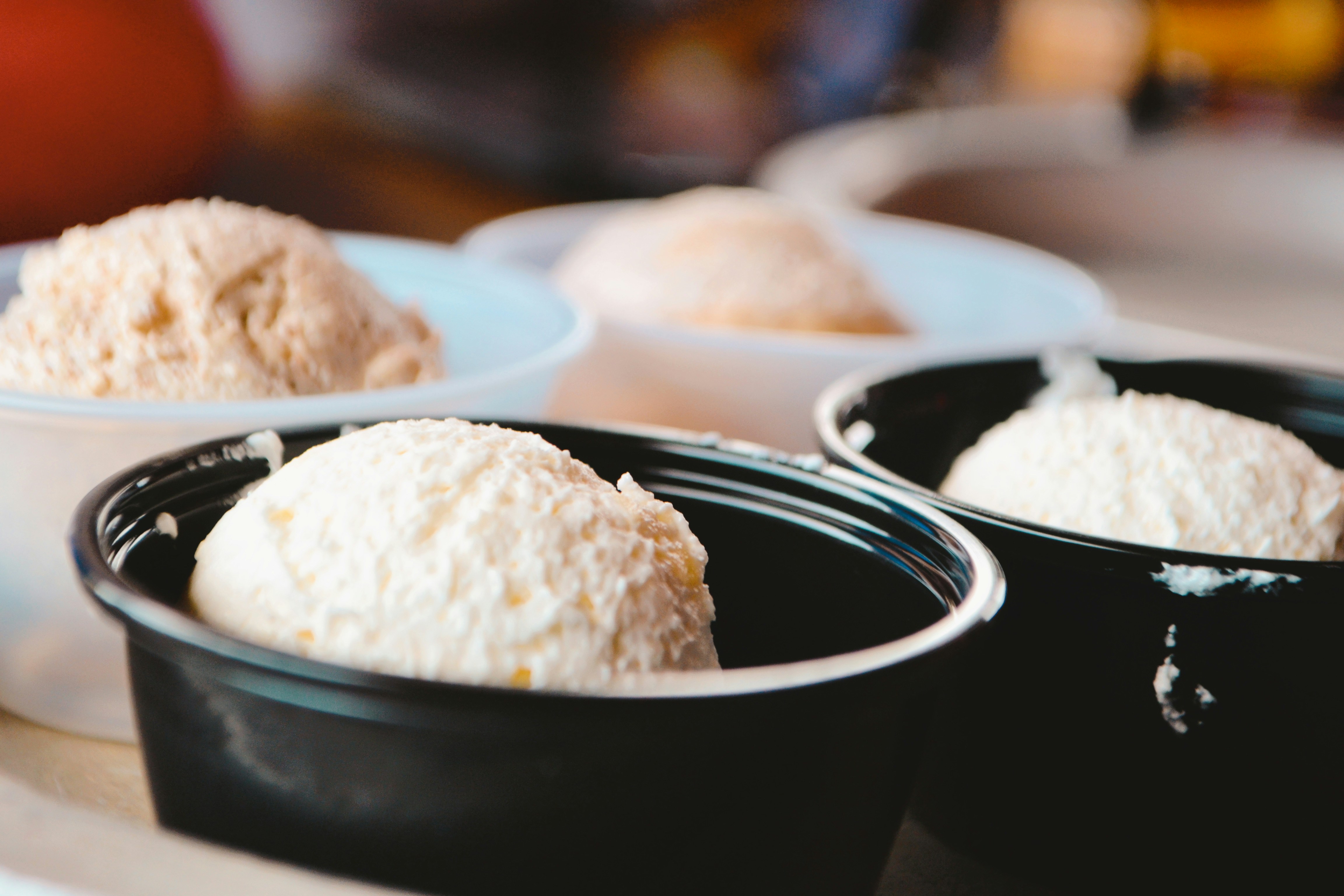
This is a custard-based ice cream made with cornflour, also known as cornstarch, milk, sugar, and cream. While cornstarch might be a surprising addition, it serves as a stabiliser and prevents the formation of ice crystals in the ice cream, giving a velvety and smooth result without the taste of starch.
Traditional French-style custard uses egg yolks, which is wonderful but can feel intimidating and is not always practical. This eggless version gives you most of the richness and that set, scoopable texture without needing to temper eggs. It is slightly more involved than the cream base recipe, but the payoff is a more structured, proper-tasting ice cream.
Ingredients (serves 6):
- 360 ml heavy cream, chilled
- 180 ml full-fat milk
- 150 g sugar
- 2 teaspoons cornflour (cornstarch)
- 2 teaspoons pure vanilla extract or 1 vanilla pod
Method: In a saucepan, combine the sugar, cornflour, and milk. If using a vanilla pod, add it now. Whisk until smooth and lump-free. Cook on a medium heat, stirring constantly, until the custard thickens and coats the back of a spoon well. Do not overcook. Taste test to make sure it is cooked thoroughly, as you do not want a starch flavour in the ice cream. Strain the custard and let it cool completely. If using vanilla extract rather than a pod, stir it in now. Refrigerate the custard until it is very cold. Once cold, beat it briefly with an electric beater until smooth. In a separate chilled bowl, whip the cream to peaks. Add a couple of spoonfuls of the whipped cream to the custard, stir gently to loosen it, then pour this back into the remaining whipped cream and fold together. Transfer to your pre-chilled container, press cling film onto the surface, and freeze for 10 to 16 hours.
Indian-friendly variations:
- Pistachio and saffron: Steep a few strands of saffron in warm milk before using, and stir in finely ground pistachios.
- Butterscotch: Cook 50 g of butter and 100 g of brown sugar together to a caramel, cool it, and swirl it through the mixture before freezing.
- Chocolate: Whisk 3 tablespoons of good cocoa powder into the milk mixture at the beginning.
Also Read: KitKat’s New Tracker Lets You Check If Your Chocolate Was Stolen
Recipe Three: The Yoghurt Base (Frozen Greek-Style)
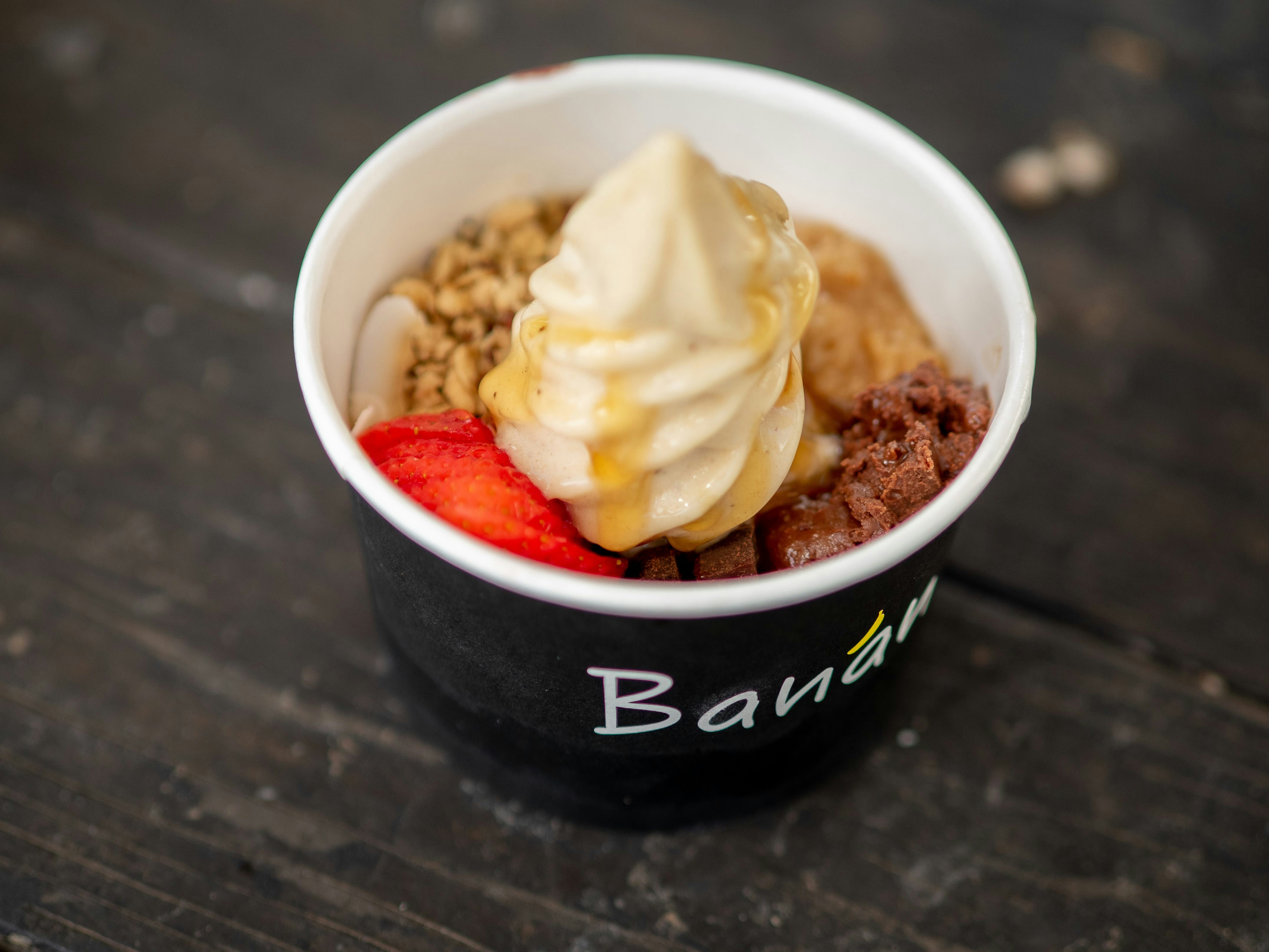
This is the lightest of the three, tangier, fresher, and a little easier on the conscience if you are eating a bowl of it at midnight. You can make frozen yoghurt using Greek-style or drained yoghurt. The richer the recipe, the creamier and smoother the results are going to be.
For Indian kitchens, this one is particularly practical. Hung curd is essentially Greek yoghurt: just strain regular full-fat dahi through a muslin cloth for four to six hours until all the whey drains off, and you are left with thick, creamy, protein-rich base. Do not use low-fat curd; it will freeze into an icy block.
Ingredients (serves 6):
- 400 g hung curd (dahi, strained overnight) or Greek yoghurt
- 200 ml heavy cream, chilled
- 120 g icing sugar (powdered sugar)
- 1 teaspoon vanilla extract
- A pinch of fine salt
Method: Whisk the hung curd with the icing sugar, vanilla, and salt until smooth and creamy. Whip the cream separately in a chilled bowl until it forms soft peaks. Gently fold the whipped cream into the yoghurt mixture until just combined; do not overmix. Transfer to a pre-chilled loaf tin or container, press cling film directly onto the surface, and freeze for 8 to 10 hours. Because yoghurt-based ice creams freeze harder than cream-based ones, take this out of the freezer about 10 minutes before serving and let it sit at room temperature before scooping.
Indian-friendly variations:
- Strawberry: Fold in 150 g of pureed fresh strawberries sweetened with a tablespoon of sugar.
- Lemon and honey: Swap the vanilla for lemon zest and a tablespoon of good honey, reducing the icing sugar slightly.
- Blueberry swirl: Cook 150 g of blueberries with two tablespoons of sugar, let it cool completely, then swirl it through the mixture just before it goes into the freezer.
The Freeze-and-Stir Technique: When to Use It
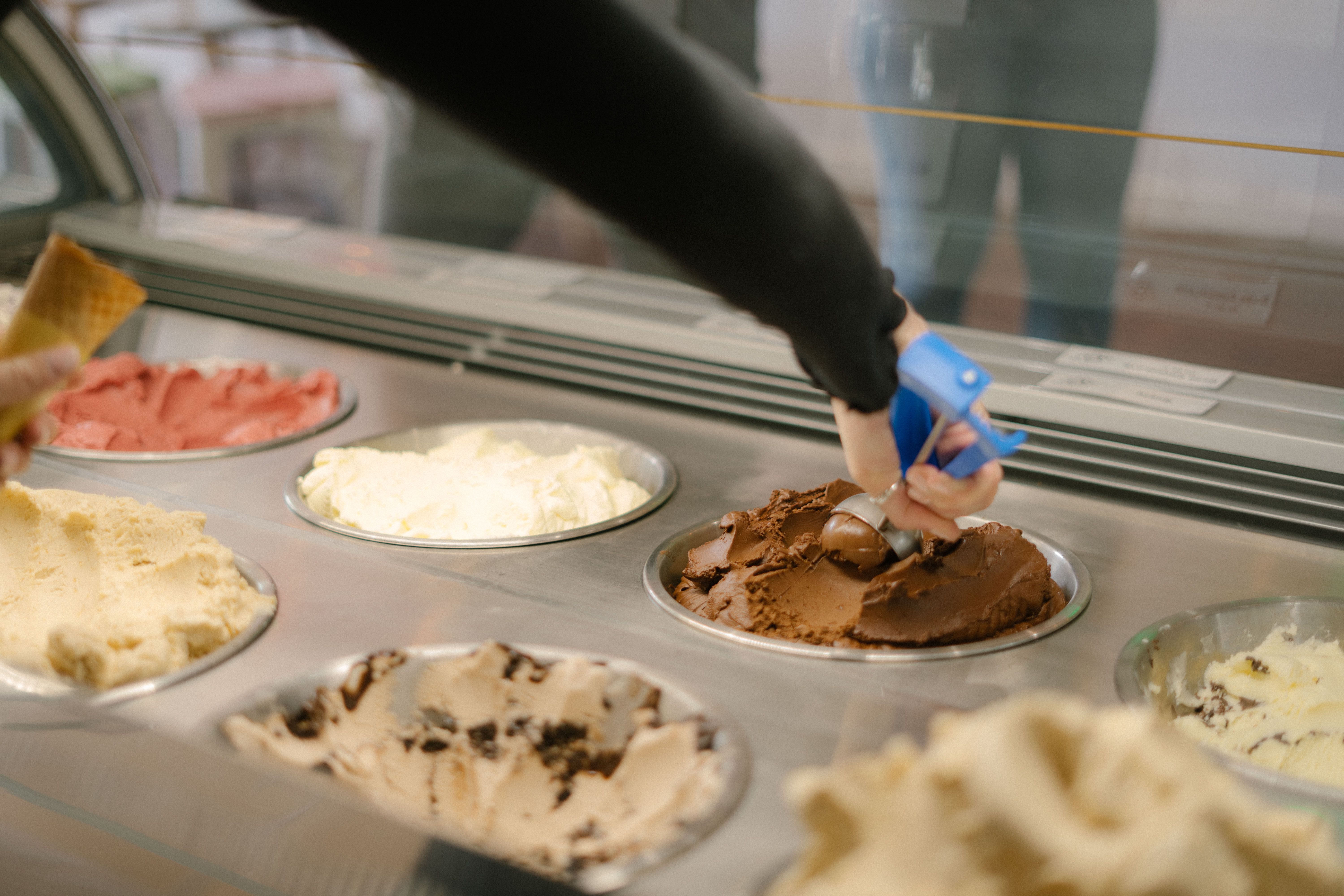
All three recipes above use the no-stir method, which means you prepare the mixture, freeze it, and leave it alone. This works well for cream-heavy bases because the fat content and air from whipping help keep things smooth.
If you want to adapt any other recipe you love, or if you find your ice cream has come out icier than you would like, the freeze-and-stir method is your solution. Pour your ice cream into an airtight container and freeze it in the coldest part of your freezer (usually the back corner) for about 45 minutes. After 45 minutes, take your instrument of choice and mix up the ice cream, making sure to get the edges, which tend to freeze first. Repeat freezing and blending every 45 minutes for about three to four hours, then allow the ice cream to freeze completely for another three to four hours.
A hand mixer or immersion blender works far better than a spatula alone here, because you want to genuinely break up the ice crystals rather than just push them around.
A Few Things That Will Save You
- Use shallow, wide metal containers for faster freezing.
- Press cling film on ice cream to prevent frost.
- Let hard ice cream sit out before scooping.
- Chill containers before mixing to slow ice crystal growth.
- Metal conducts cold better than plastic for smoother texture.
Easier Than You Think
Making ice cream without a machine might seem daunting, but it’s simpler than you think. People have been crafting ice cream long before electricity, so you can easily make ice cream and sorbets at home. Begin with a cream base recipe, which requires fifteen minutes of effort and a night in the freezer. The outcome will surpass most store-bought options, tailored with your chosen ingredients and flavours. After trying it once, you’ll start envisioning every fruit at the market transformed into creamy, frozen delights. The true triumph is not the absence of a machine, but a newfound culinary creativity in your kitchen.
Source link
[ad_3]

