
The new financial year (FY 2026-27) comes into effect from April 1, bringing with it several major policy changes announced in the Union Budget presented by Finance Minister Nirmala Sitharaman on February 1, 2026. These changes are set to directly impact household expenses and consumer spending. While import duties influence price fluctuations to some extent, the majority of pricing decisions for goods and services are governed by the GST Council. Notably, from September 22, 2025, the GST structure was simplified from four slabs to just two, 5% and 18%, following a decision taken at the 56th GST Council meeting. As these new rules come into force, here’s a look at what is likely to become cheaper from today.

Medicines: Custom duties on 17 essential medicines have been reduced, making treatments (especially for diabetes and cancer) more affordable.
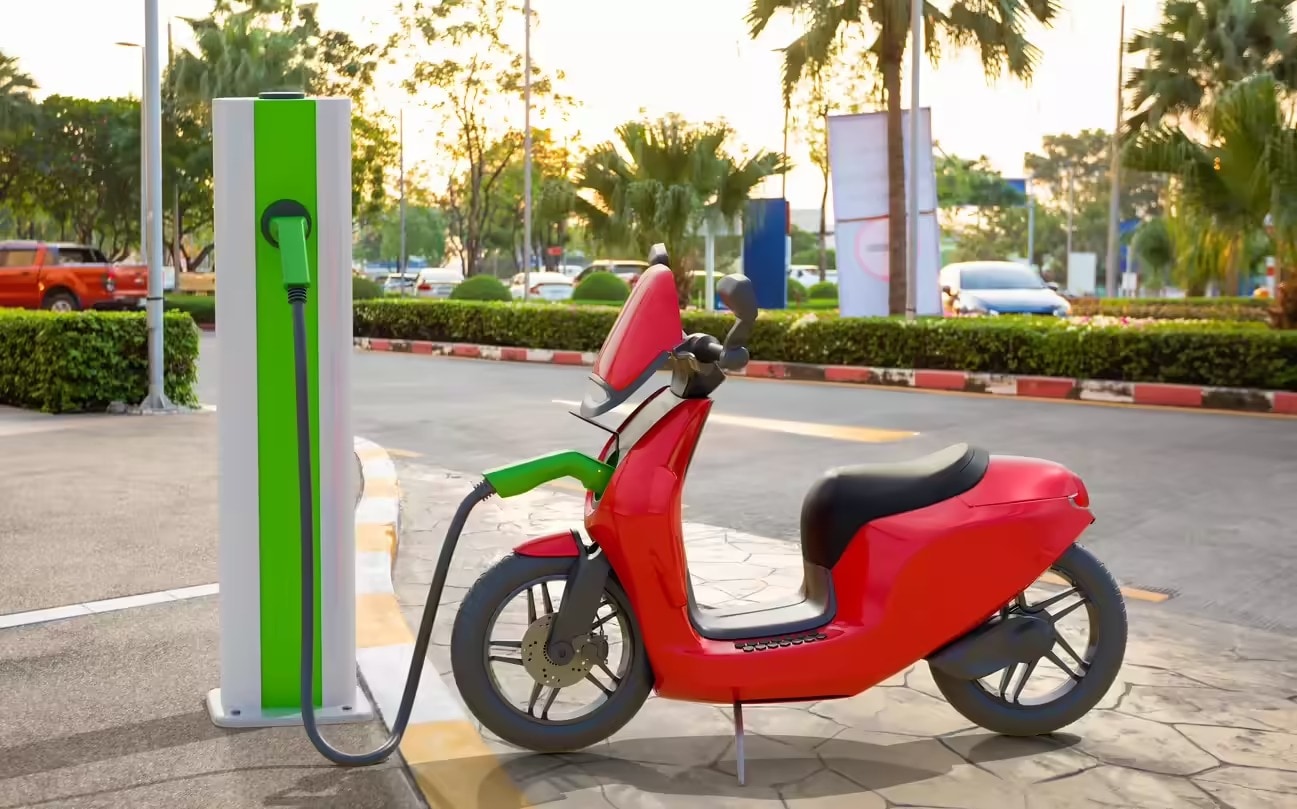
Electric Vehicles (EVs): To encourage greener mobility, tax relief has been extended to EVs, making them more budget-friendly for buyers.

Leather Products: Leather goods and footwear are expected to see a price drop, supported by duty-free import provisions on certain inputs aimed at boosting exports.

Aircraft and Microwave Components: Lower customs duties on these components are expected to reduce the cost of products like microwave ovens.

Imported Personal Items: Some personal-use imported goods will now be available at reduced tariffs.

Smartphones and Tablets: Locally manufactured mobile phones and tablets will become more affordable, offering consumers better upgrade opportunities.

Foreign Travel and Education: Reduced Tax Collected at Source (TCS) will make overseas education, medical treatments, and international tour packages less expensive.

Seafood: Duty-free benefits on fish caught beyond territorial waters will help reduce prices, benefiting both fishermen and consumers.

Textiles and Garments: Clothing, including sarees and apparel, is expected to become more affordable.
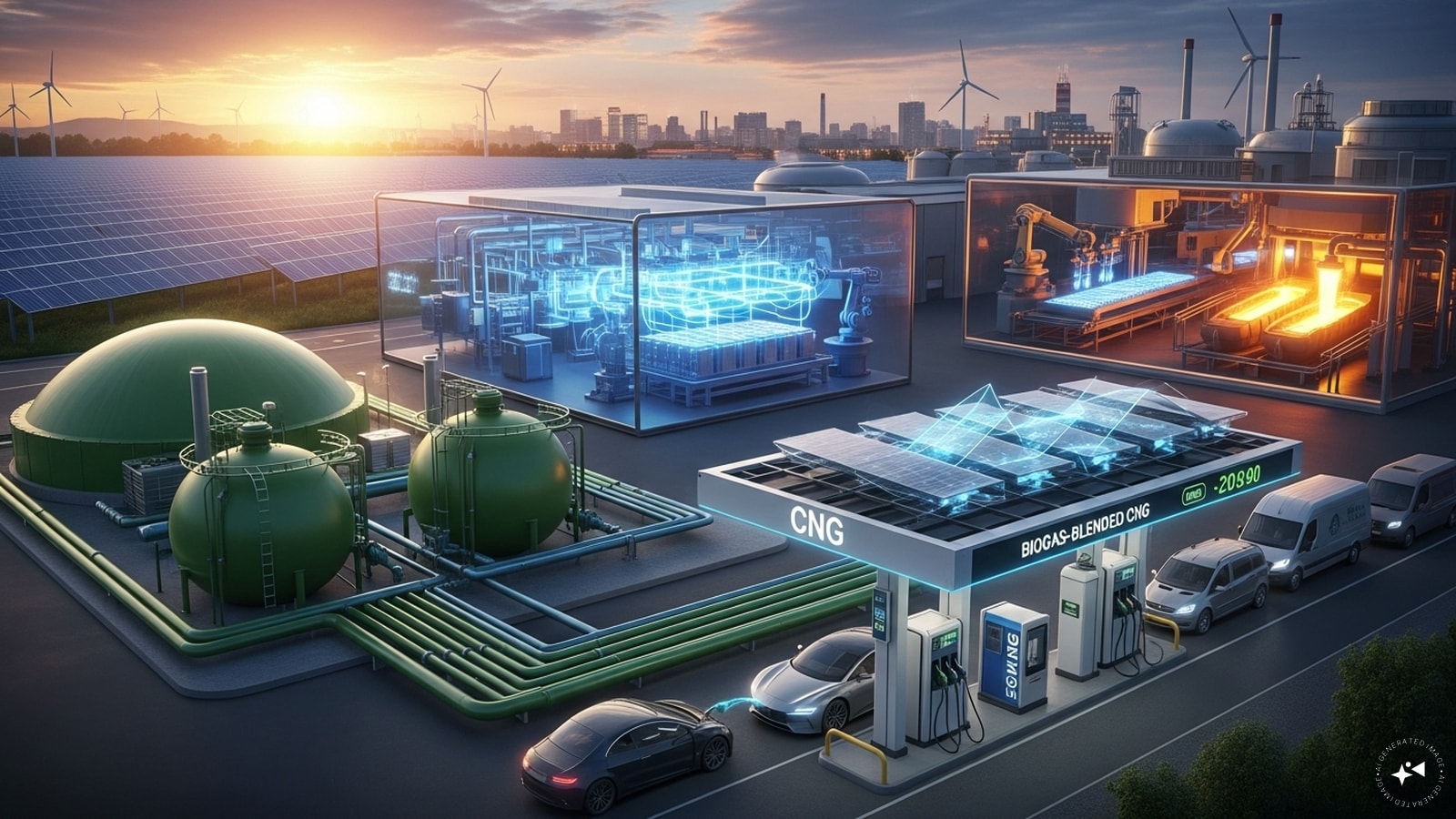
Critical Minerals and Energy Sources: Relief on critical minerals and energy inputs will bring down costs. This includes cheaper biogas-blended CNG, lithium-ion battery cells, and solar glass.

And these are the products that are set to become more expensive:
Luxury Goods: Certain high-end items may become costlier due to revised customs duties and reduced tax benefits in some categories.

Imported Electronics (Selective Categories): While locally manufactured devices get cheaper, some imported electronic goods may see a price increase due to duty adjustments.

Non-Essential Imported Items: Items that do not fall under essential or incentivised categories could become slightly more expensive due to tariff changes.

Premium Consumer Goods: Selective premium products could see marginal price hikes depending on revised duty structures.
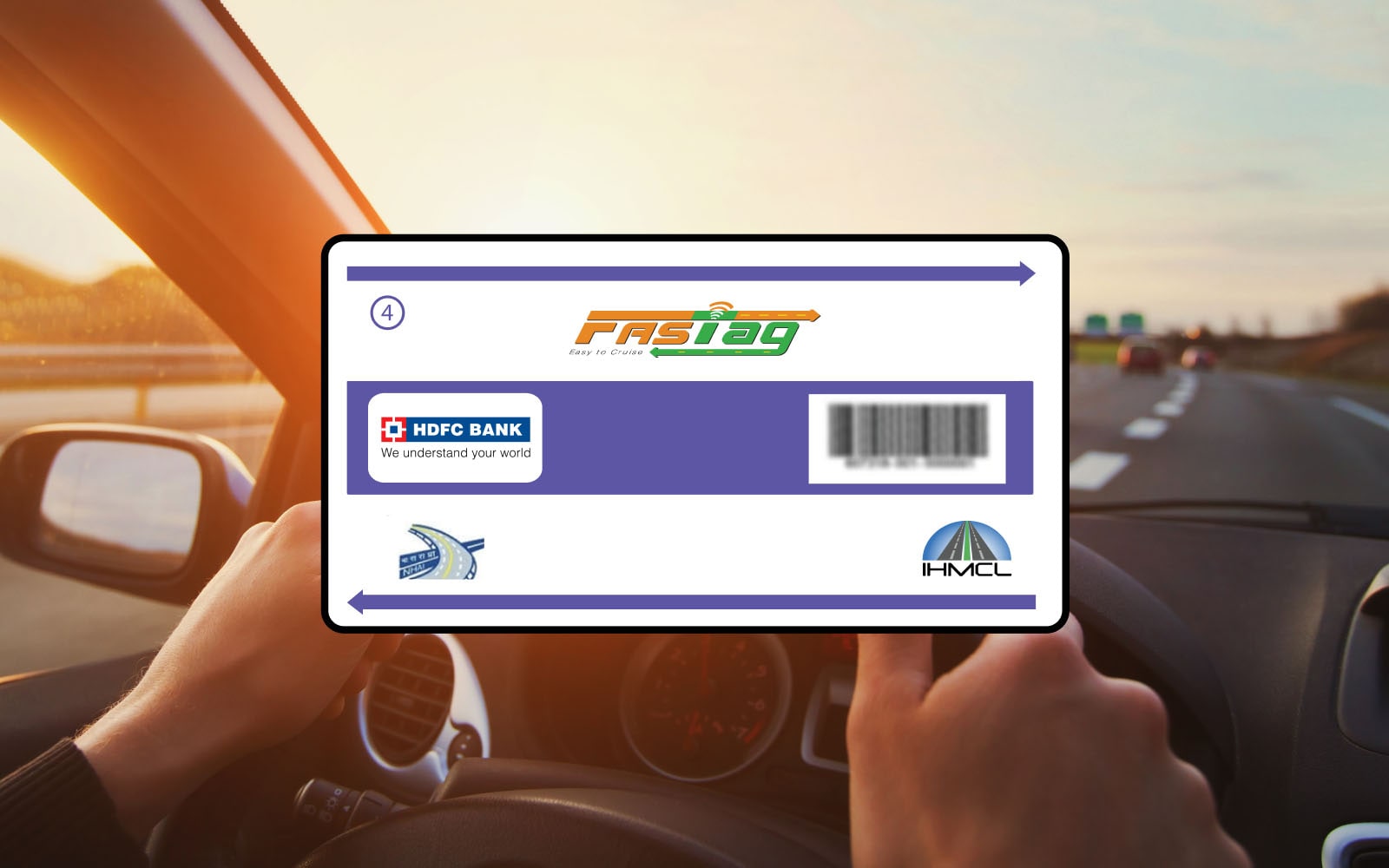
FASTag Annual Pass: The cost of FASTag annual passes is set to increase from Rs 3,000 to Rs 3,075.
Source link
[ad_3]

