
Prime Minister Narendra Modi took to Instagram to share a reel by social media influencer Yuvraj Dua and reiterated the importance of reducing sugar intake and adopting a healthy lifestyle. He said, “On Yuvraj’s request, I will urge his father (and everyone else out there) to reduce sugar intake…be healthy, be happy!” Dua, in his reel, requests the PM to speak against excessive sugar consumption so that his father would reduce eating sweets. He said that since PM Modi’s words carry great influence, especially among elders, a mention during his popular radio programme “Mann Ki Baat” against sweets might convince his father to control his sugar intake.
“Mr Modi, I have a humble request. Since your words are instructions to my father, if you say something against sugar intake in the next ‘Mann Ki Baat’, my father’s sugar consumption might reduce. Because when we say it, the jalebis don’t seem to reduce,” Dua said humorously in the reel.
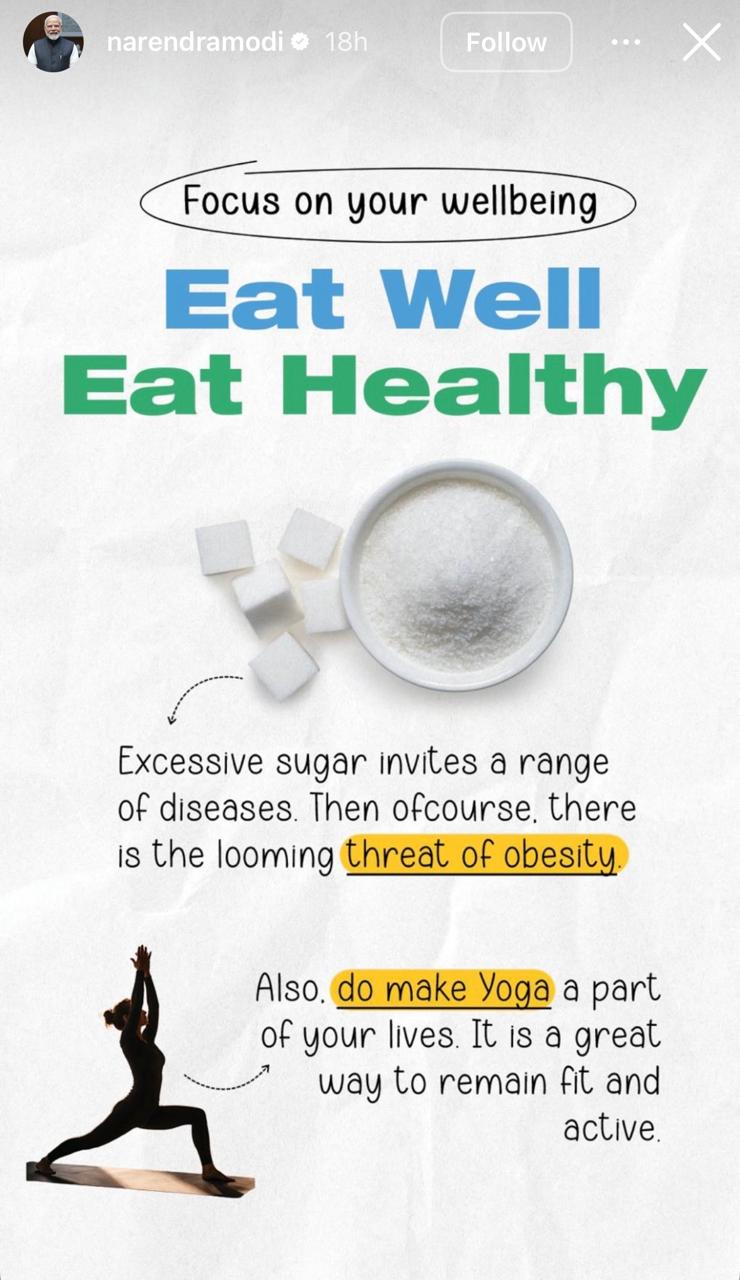
PM Modi also shared another post wherein he spoke about eating well and eating health. In the post, he spoke about how excessive sugar affects your health. He also urged people to make yoga a part of their daily lives. He wrote, “Excessive sugar invites a range of diseases. Then ofcourse there is the looming threat of obesity.”
“Also, do make yoga a part of your lives. It is a great way to remain fit and active,” he added.
How Sugar Consumption Impacts Your Health?
Excessive sugar consumptionespecially added sugar from processed foods and drinks, can significantly affect your health and increase the risks of several diseases. Read on to know sugar affects your health.
1. Liver Damage
High sugar intake, especially fructose from sugary beverages, can overwhelm the liver, which metabolises it and converts excess into fat. This leads to non-alcoholic fatty liver disease (NAFLD), increasing risks for diabetes and heart disease. Over time, fat accumulation in the liver impairs its ability to function, leading to inflammation and eventually cirrhosis.
2. Weight Gain and Obesity
Sugar provides empty calories that spike blood sugar and insulin. This leads to fat storage, particularly around the abdomen. High intake of sugar-sweetened beverages has been linked to increased body weight and obesity. This happens because they fail to satisfy hunger like whole foods. Each extra serving raises the risk of obesity through caloric surplus.
3. Type 2 Diabetes Risk
Frequent sugar spikes cause insulin resistance, where cells stop responding to insulin effectively, leading to high blood glucose. Chronic high intake is a major cause of type 2 diabeteswith sugary drinks linked to 26% higher risk per daily serving. It also increases pancreatic stress, impairing insulin production over time.
4. Heart Disease
Excess sugar spikes triglycerides, blood pressure, and inflammation while lowering HDL cholesterol, all of which are cardiovascular risk factors. People consuming 17-21% of calories from added sugar have a higher risk of mortality from heart disease compared to those under 8%. Sugar-sweetened beverages are linked to a higher risk of coronary heart disease.
5. Dental Decay
Sugar feeds oral bacteria that produce acids eroding tooth enamel, causing cavities and gum disease. Frequent exposure increases this damage, with high-sugar diets directly increasing decay risk. Unlike natural sugars in fruit, added sugars linger, increasing bacterial growth.
6. Impaired Brain Function
Sugar highs and crashes disrupt energy to the brain, causing mood swings, irritability, and cognitive fog. It can also lead to inflammation and insulin resistance in the brain, raising dementia and Alzheimer’s risk, even without diabetes. It also accelerates cognitive decline due to oxidative stress on neural tissues.
7. Gut and Inflammation Problems
Sugar alters gut microbiota as it favours harmful bacteria that cause digestive problems like bloating and IBS. It triggers chronic low-grade inflammation, linking to metabolic syndrome, gout, and cancers like pancreatic cancer. This systemic inflammation leads to several non-communicable diseases.
Disclaimer: This content including advice provides generic information only. It is in no way a substitute for a qualified medical opinion. Always consult a specialist or your own doctor for more information. NDTV does not claim responsibility for this information.
Source link
[ad_3]

