
New Delhi:
The world’s largest known natural gas reserve in Iran came under Israeli attack on Wednesday, prompting US President Donald Trump to rush to clarify the lack of Washington’s involvement in one of his more measured statements since the Middle East war began. The attack is among a string of hits on the energy infrastructure in the region, which has crippled economies world over, crushed supply chains and sent oil, gas and commodity prices soaring.
South Pars Mega Field, Iran, Qatar
The Iranian side of the South Pars field, the other side of it in Qatar, came under attack Wednesday and was burning. It is the largest known gas reserve in the world and is located offshore in Iran’s Bushehr Province. It supplies around 70 percent of Iran’s domestic natural gas. The field also supplies roughly 20 per cent of the world liquefied natural gas (LNG) demand.
The attack on South Pars field involved Phases 3, 4, 5 and 6, Iranian state television reported. They blamed Israel and the United States for the attack. It said it had shut down those phases of the field to stop the spreading fire.
Per studies cited by the International Energy Agency, the field holds around 1,800 trillion cubic feet of gas, representing roughly eight per cent of the world’s proven gas reserves.
Why The Attack Matters
For Iran, one of the earliest attacks on gas infrastructure since the war began on February 28 has the country fearing gas shortages last year which had caused frequent blackouts, costing the economy around $250 million a day, according to the Iran Chamber of Commerce. It was one of Iran’s worst energy crises in a decade. LNG from this side is not exported heavily due to international sanctions.
For Qatar, a hit on the facility threatens exports of around 77 million tonnes of liquefied natural gas (LNG) every year to Europe and Asia, facilitated with help from global energy firms like Shell and ExxonMobil.
In a larger sense, escalation in this region, along with attacks on the Kharg Island and the Strait of Hormuz all but closed, would worsen the ripple effects across Asia, Europe, and global supply chains.
Other Facilities To Get Hit
Ras Laffan, Qatar
In the retaliation that came a day after Iranian Intelligence Minister Esmail Khatib’s death, the state-run Qatar Energy said that fires set by Iranian strikes on its Ras Laffan complex had caused “extensive damage” but authorities said they had been brought under control with no injuries reported. Earlier this week, Iranian security chief Ali Larijani was also killed even anger over former supreme leader Ali Khamenei continued to simmer.
Ras Laffan Industrial City covers 295 square kilometers in area (114 square miles), about one-third the size of New York City. Production came to a halt at the facility, home to the LNG plant that accounted for about a fifth of global supply. It is also home to other gas-related facilities, including a gas-to-liquids plant, LNG storage, and condensate splitters, as well as an oil refinery.
QatarEnergy estimates the Gulf state’s portion of the reservoir holds about 10 percent of the world’s known natural gas reserves. In recent years, Qatar has inked a series of long-term LNG deals with France’s Total, Britain’s Shell, India’s Petronet, China’s Sinopec and Italy’s Eni, among others.
Hashban Gas Facilities, UAE
Abu Dhabi National Oil Co operates one of the world’s largest onshore gas processing facilities there, with 14 trains able to produce more than 6 billion cubic feet of gas a day, enough to supply South Korea.
Ruwais Oil Refinery, UAE
The Ruwais oil refinery is the world’s fourth largest single-site refinery, according to state-owned operator Adnoc. Operations there were halted earlier this month as a “precaution” after a drone attack on the industrial complex housing the facility, a source told AFP.
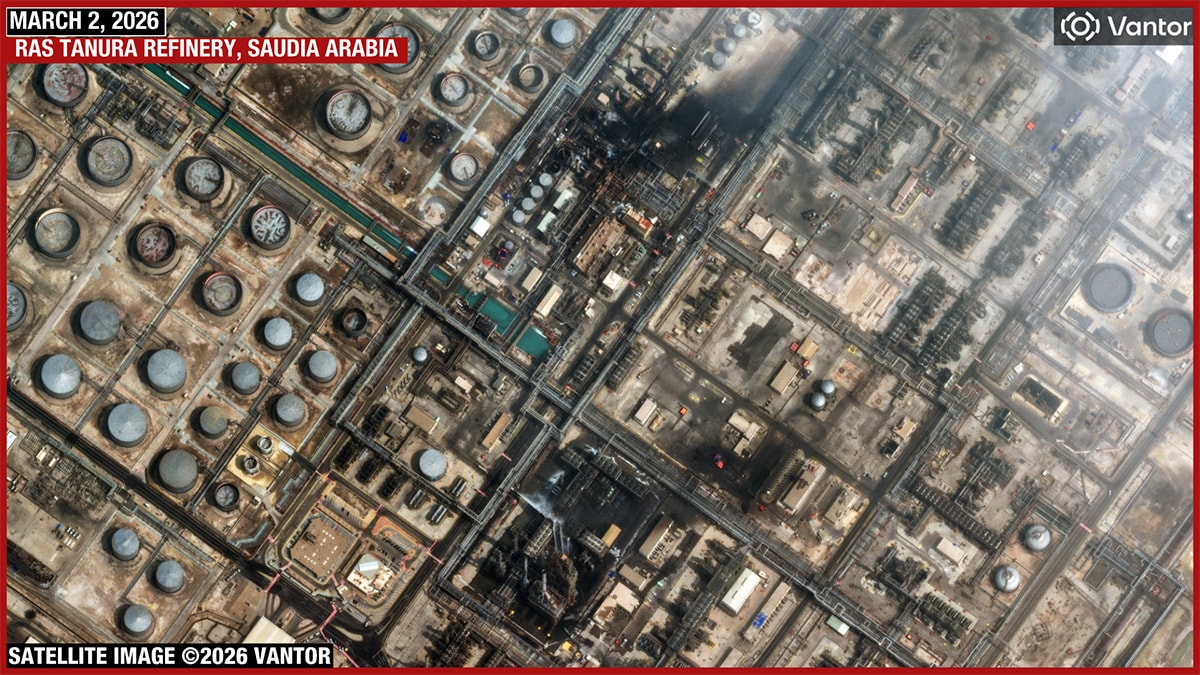
Ras Tanura, Saudi Arabia
The Ras Tanura facility along Saudi Arabia’s eastern Gulf coast is home to one of the largest refineries in the entire Middle East and a cornerstone of the kingdom’s energy sector. The complex has a capacity of 550,000 barrels per day.
It has been repeatedly targeted in Iranian strikes, including a drone attack early in the conflict that caused a fire and forced a partial shutdown of the refinery.
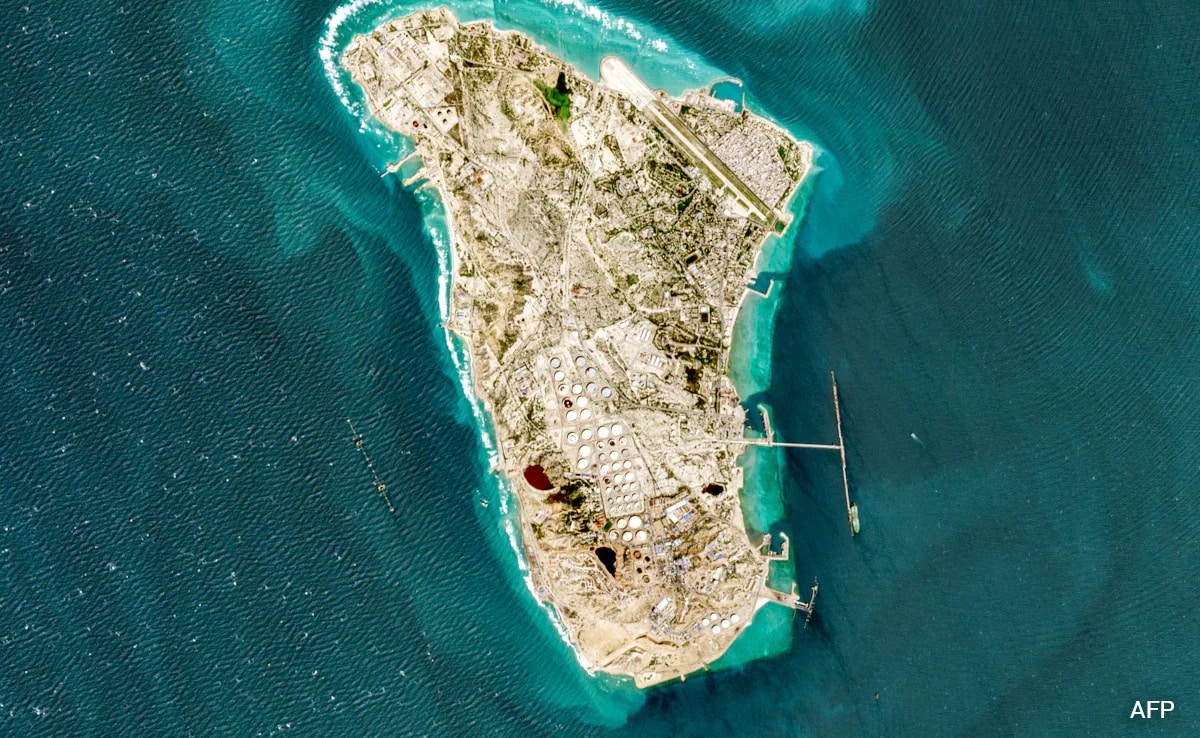
Kharg Island, Iran
Kharg islandaround 30 kilometres off Iran’s mainland, is a hub for roughly 90 percent of the country’s crude oil exports. It was hit in US strikes on Saturday, but Iranian officials said afterwards that exports were continuing normally and there had been no casualties.
Trump had threatened to target the island’s oil infrastructure if Iran continues to block the Strait of Hormuz, a crucial passage for energy and other exports from the region.
What Next?
The South Pars attack has driven the region to the edge, with Iran specifically threatening Saudi Arabia’s Samref Refinery and its Jubail Petrochemical Complex, UAE’s Al Hasan Gas Field and the petrochemical plants and a refinery in the Qatar.
Iran’s president warned of the risk of “uncontrollable consequences” of attacks on energy infrastructure, after facilities in the giant Iranian South Pars gas field were targeted by Israel. “This will complicate the situation and could have uncontrollable consequences, the scope of which could engulf the entire world,” Masoud Pezeshkian wrote on X.
Trump’s Tip-Toe
Otherwise outspoken about the US’ actions during the war, Trump deviated when he distanced from ally Israel to deny its involvement in the South Pars attack. He also said Israel would not make any more attacks on Iranian facilities in South Pars unless Iran attacked Qatar, warning that the US would attack those facilities if Iran acted against Doha.
Source link
[ad_3]

