
There are thinkers whose ideas go far beyond ordinary understanding. Abdus Salam belonged to that category of thinkers. In 1979, he was awarded the Nobel Prize in Physics for his contributions to the electroweak unification theory. The honour was shared with two other scientists: Sheldon Lee Glashow and Steven Weinberg. While Salam’s achievements are widely known, what most people do not know is how he developed an interest in science from a very young age.
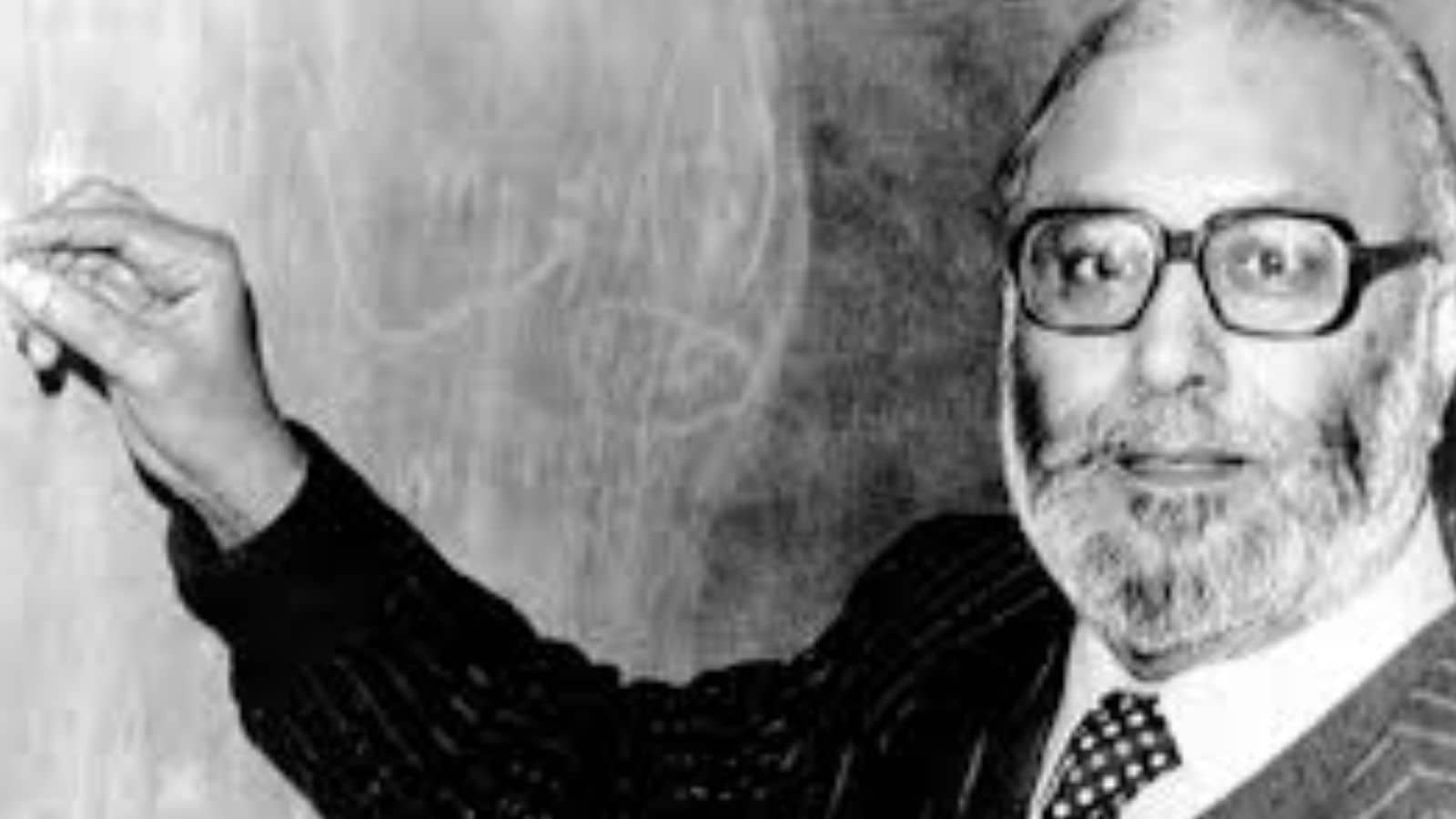
Born in 1926 in Jhang, a small town in present-day Pakistan, Salam’s father worked in the Department of Education in a poor farming district. The family valued learning and religion very highly. Salam showed interest in mathematics and science from a young age, and that is what set him apart from others.
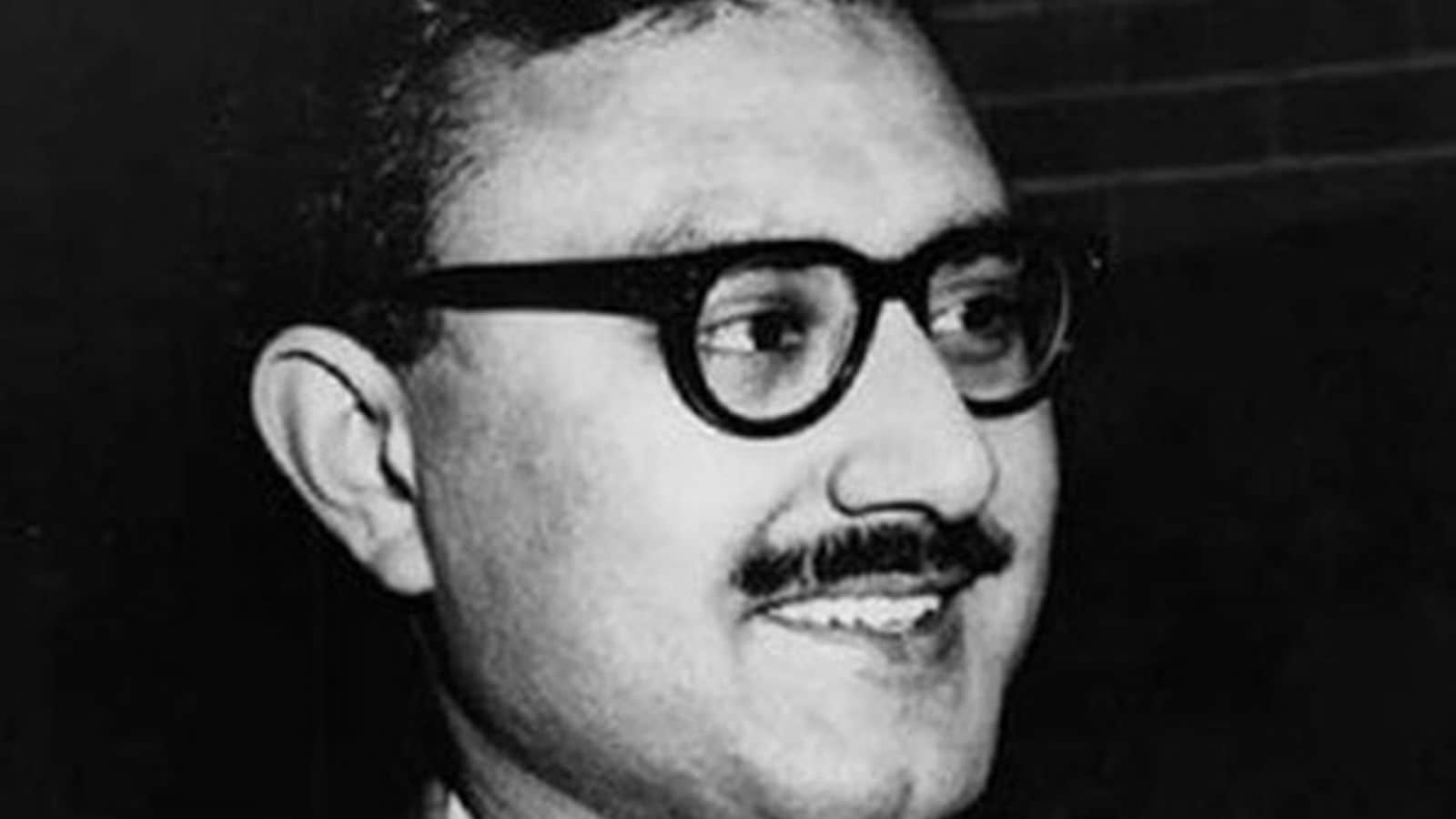
When he was just 14 years old, Salam achieved the highest marks ever recorded in the Matriculation Examination at the University of the Punjab. This achievement was noticed by everyone in his town as they celebrated this feat when he cycled home from Lahore. He later earned a scholarship to Government College, Lahore, where he continued to excel in his studies. He completed his MA in 1946.
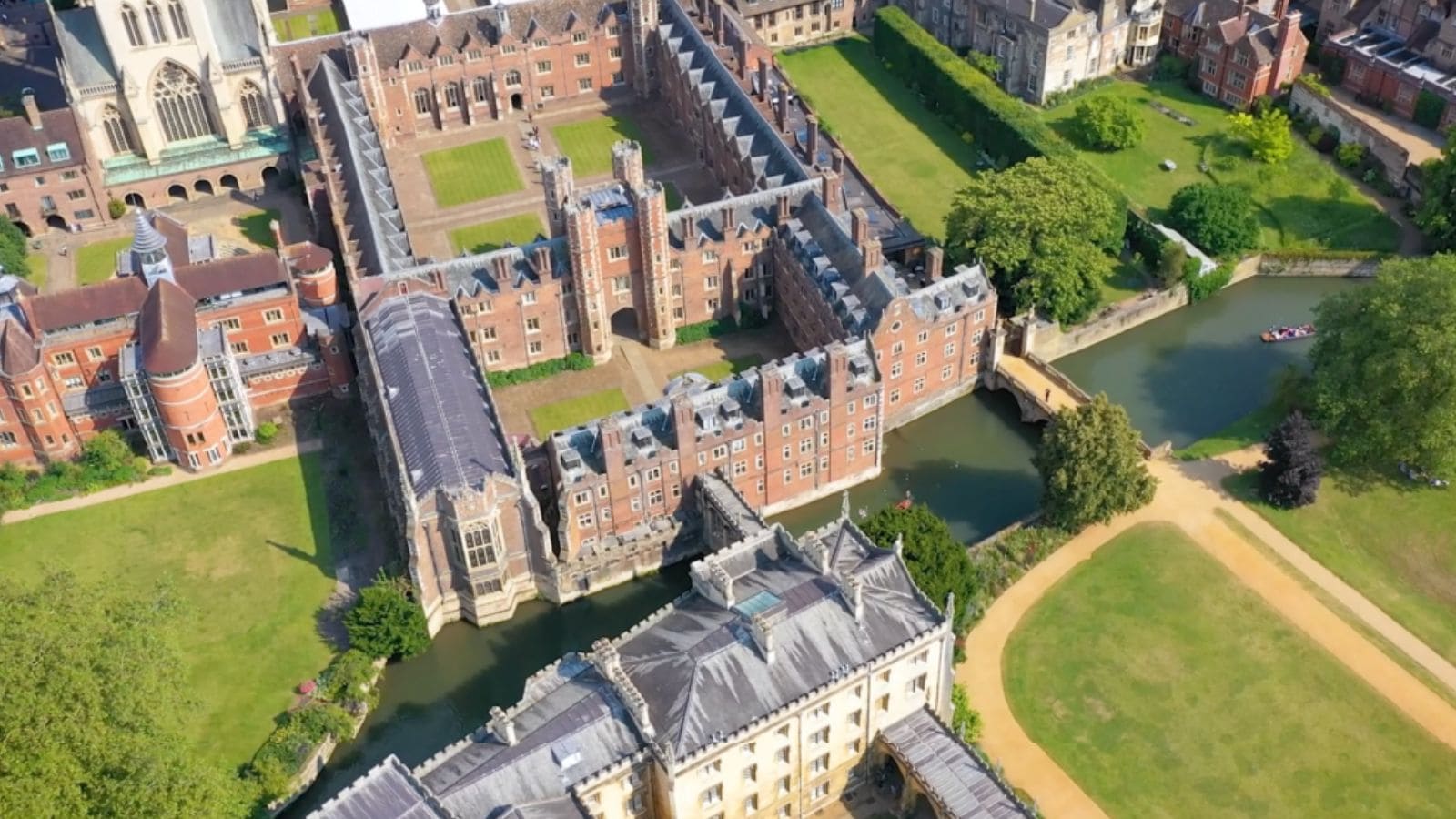
That same year, Salam earned another scholarship to St John’s College, Cambridge. Moving to the UK marked a major turning point in his education. At Cambridge, he earned a double First in mathematics and physics in 1949. In 1950, he won the Smith’s Prize for outstanding pre-doctoral contributions to physics.
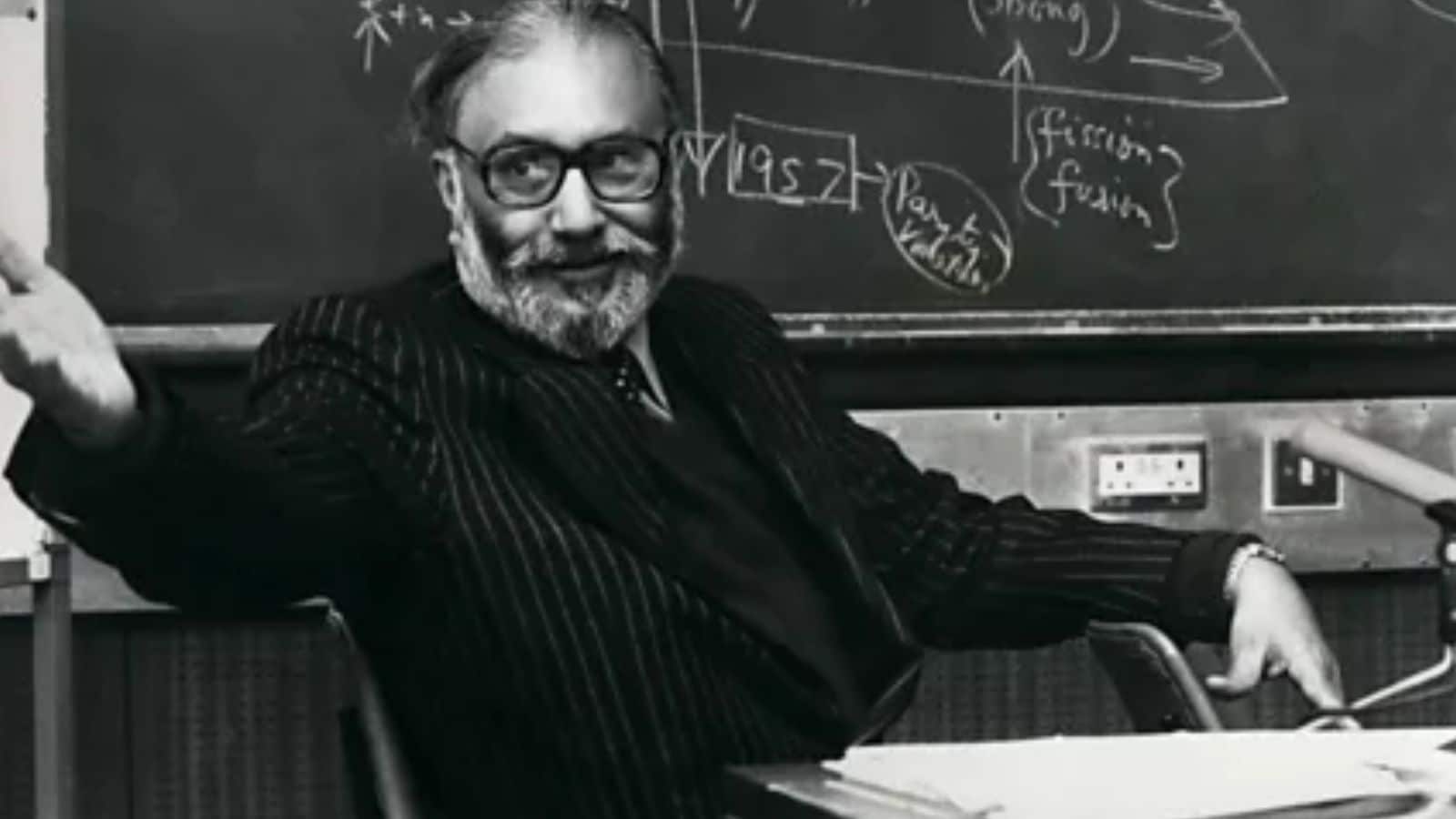
Salam completed his PhD in theoretical physics at Cambridge in 1951. His thesis made important contributions to quantum electrodynamics. By the time he finished his studies, he was already being noticed by the global scientific community. After completing his studies, he returned to Pakistan to teach mathematics at Government College, Lahore. He soon became head of the Mathematics Department at Punjab University.
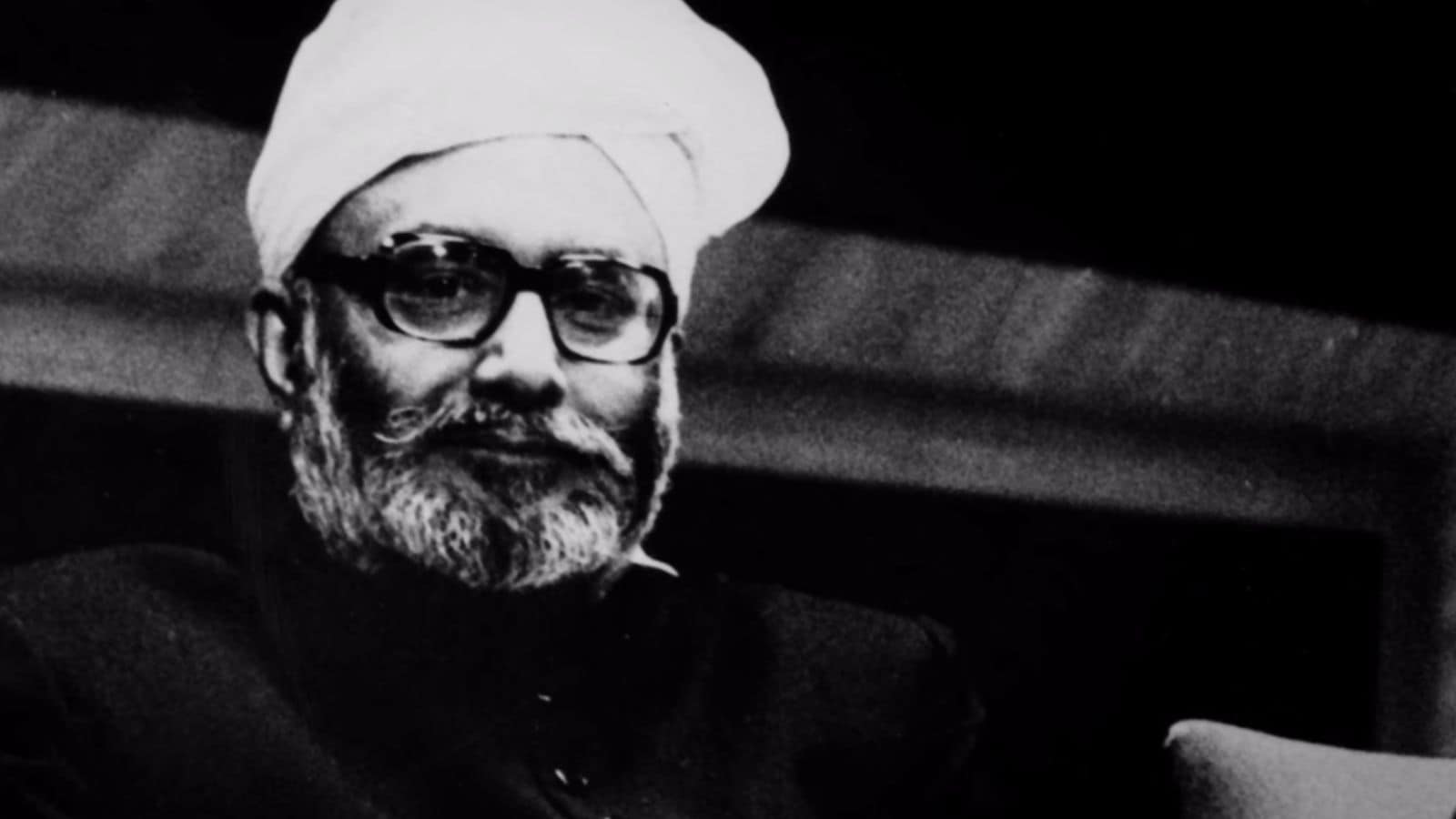
It soon became clear to Salam that his home country could not provide him with the environment needed for advanced research. He realised that to grow as a scientist, he needed to work abroad. No doubt it was a difficult decision, but Salam knew that it was necessary for his research. Many talented scientists from developing countries faced similar challenges. Salam left Pakistan to continue his work elsewhere.
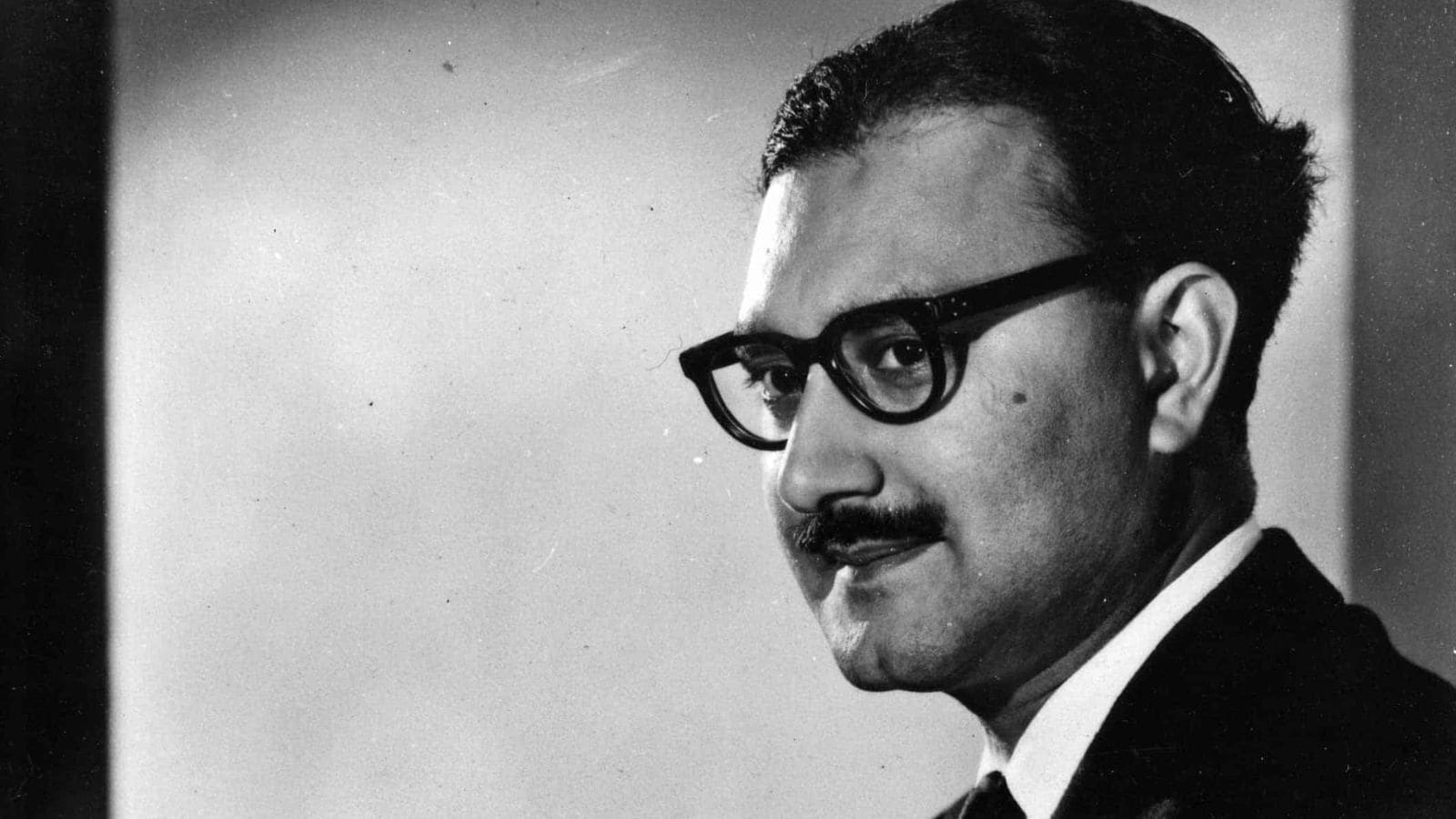
In 1954, he returned to Cambridge as a lecturer. Even while working abroad, he stayed connected with Pakistan. He advised the government on science policy and served in several key roles. He was a member of the Pakistan Atomic Energy Commission and the Scientific Commission of Pakistan. From 1961 to 1974, he acted as Chief Scientific Adviser to the President. Through these roles, he helped shape the development of the science and technology sector in his country.
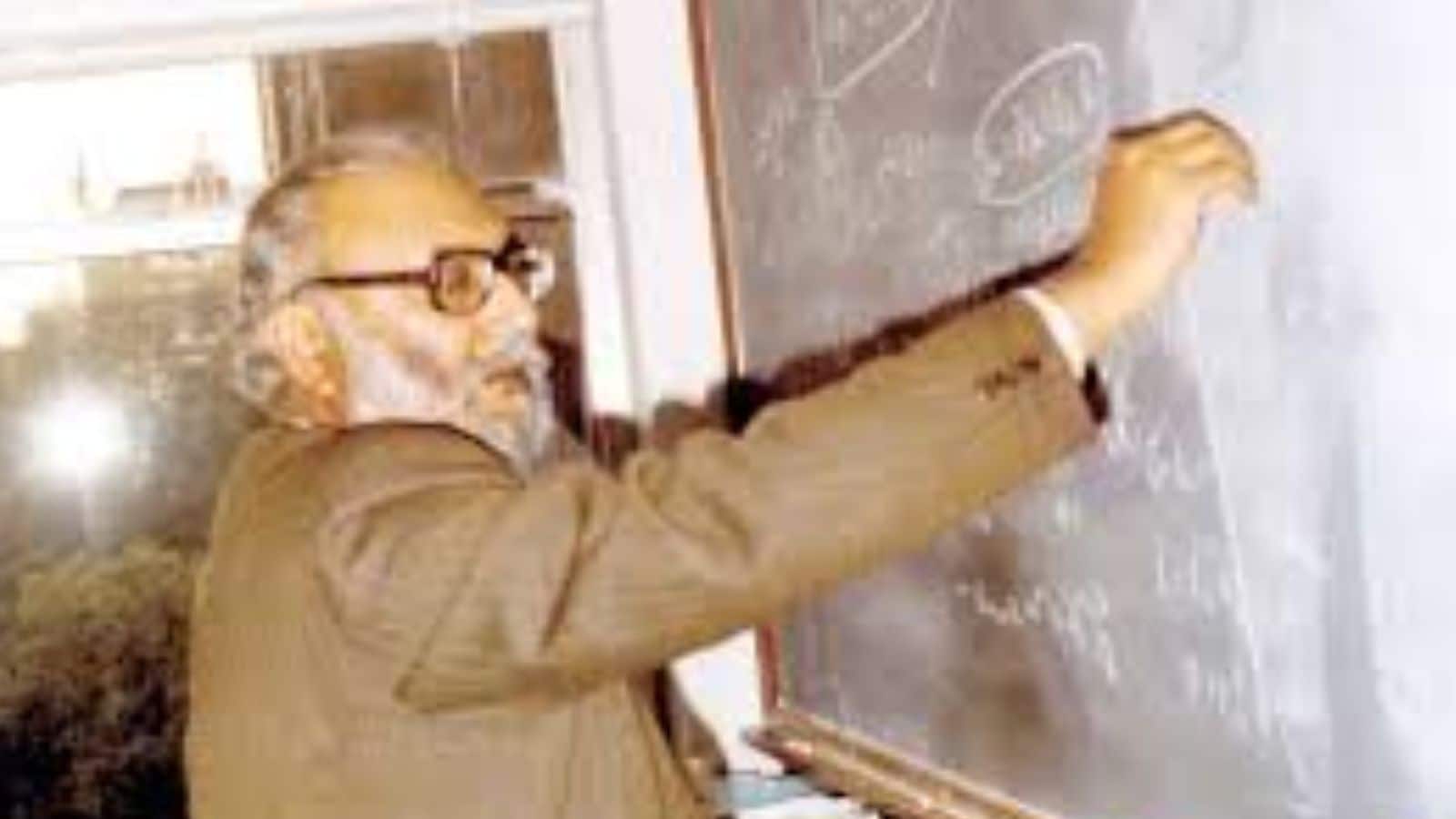
By 1957, Salam became Professor of Theoretical Physics at Imperial College London, a position he held for decades. In 1964, he also became Director of the International Centre for Theoretical Physics (ICTP) in Trieste. He created ICTP to support scientists from developing countries. One of the main programs, the Associateship, allowed young researchers to spend part of the year learning and working at the centre. They could return home refreshed, connected to international peers and ready to continue their work locally.
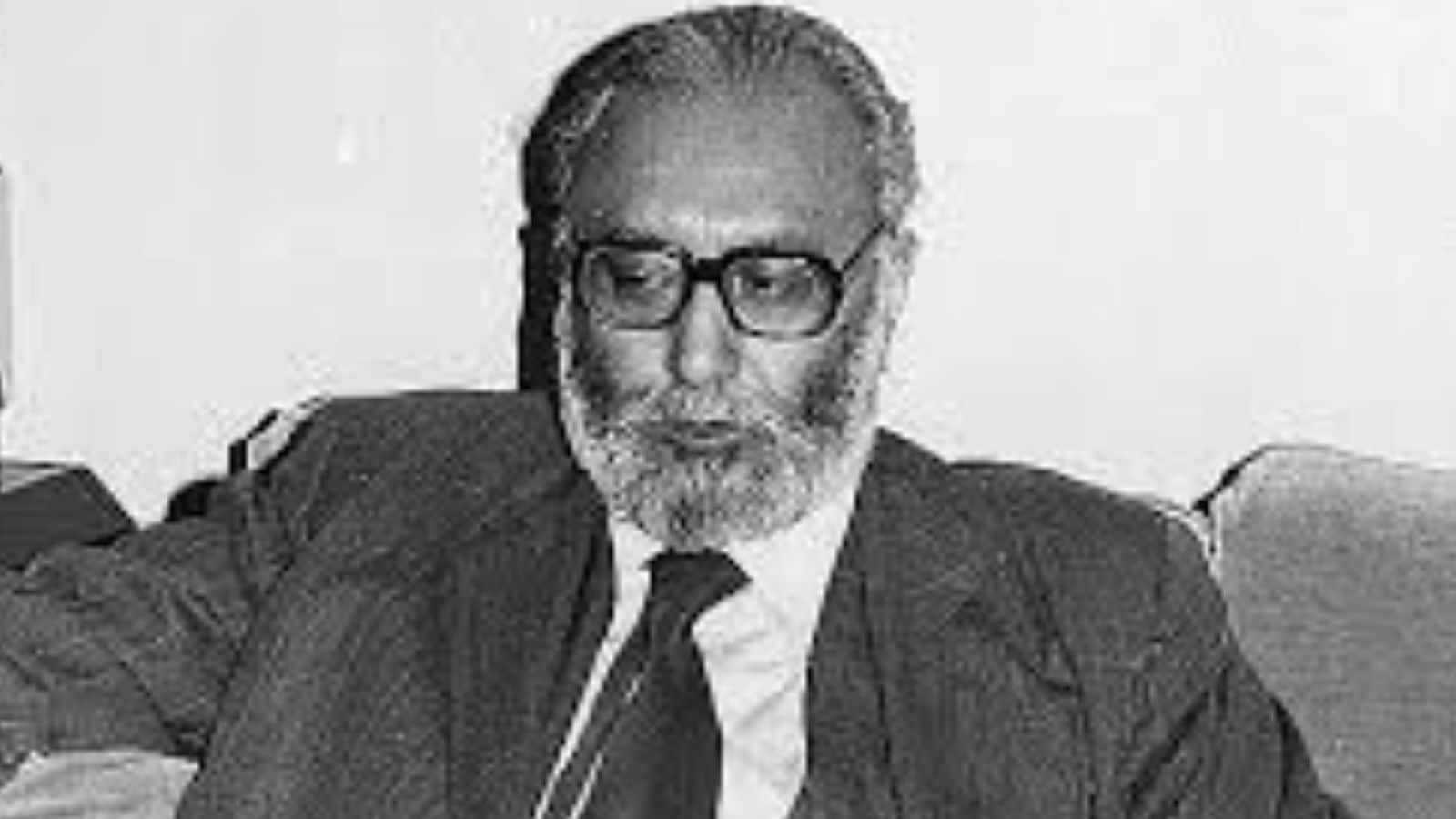
For over forty years, Salam remained active in theoretical elementary particle physics. He contributed to most major discoveries in his field during that period. Alongside his research, he was involved in international scientific initiatives. He worked on United Nations committees to promote science in developing nations. Salam famously eliminated “inessentials” like holidays, parties, and social entertainments to accommodate his staggering workload.
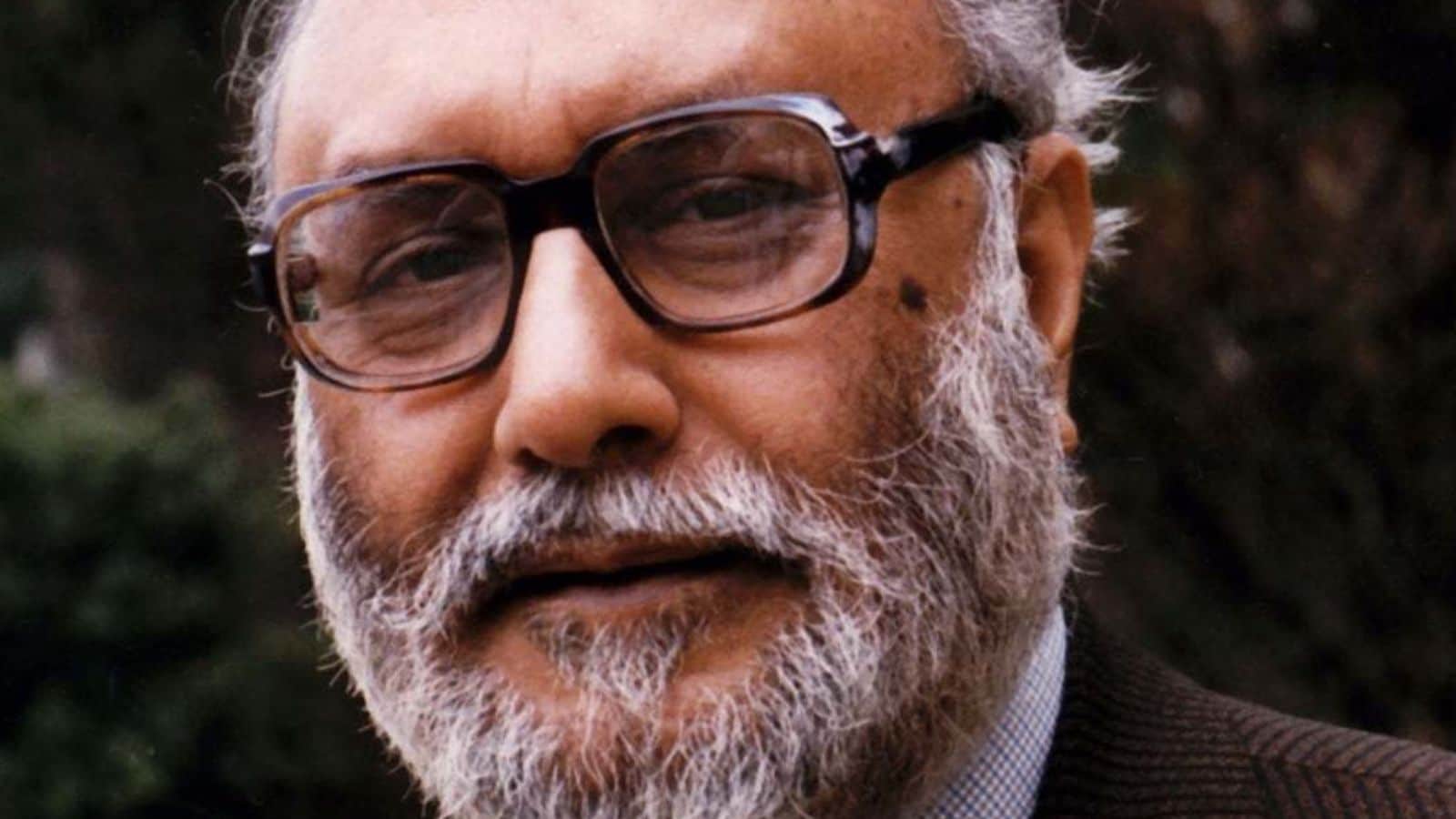
Salam also used his personal resources to support other scientists. He spent money from the Atoms for Peace Medal to help young Pakistani physicists visit ICTP. His share of the Nobel Prize money was also dedicated to helping researchers from developing countries. He did not use any of it for personal needs or family. He was also a devout Muslim who saw no separation between faith and science.
Source link
[ad_3]

