
Tamil Nadu’s Cool Roof Initiative is a pioneering climate adaptation program launched in 2026 to combat rising heat stress in schools and communities. It integrates sustainability, education, and infrastructure upgrades, making campuses “living laboratories” for climate action.
The Cool Roof Initiative is part of Tamil Nadu’s Climate Change Mission Action Plan (2025-26). It involves coating or constructing roofs with reflective materials that lower indoor temperatures. By reducing heat absorption, classrooms and buildings stay cooler, improving comfort and reducing reliance on fans or air conditioning. The initiative is embedded in the Green Schools program, which combines climate education with practical sustainability measures.
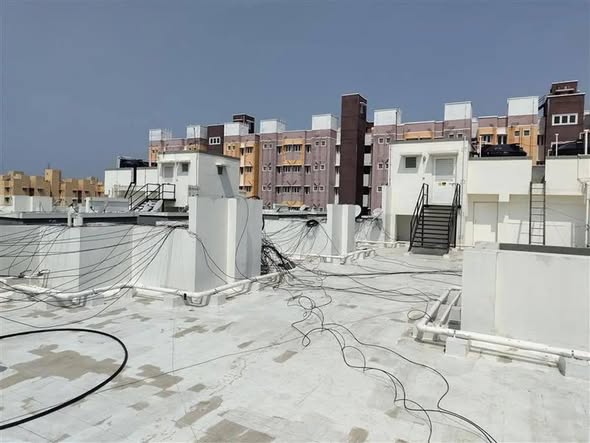
The Cool Roof Initiative was formally announced in the Tamil Nadu 2025-26 Budget and rolled out in January 2026. It began with 300 schools across the state, marking the first phase of implementation. Ministers for Finance and Environment, and School Education jointly inaugurated the program, signaling its importance as a flagship climate resilience measure.

Tamil Nadu faces intensifying heat waves, with classroom temperatures often reaching 38-40°C. Studies show that learning ability drops sharply when indoor temperatures exceed 30-32°C, affecting concentration and exam performance. Heat stress has now been classified as a state-specific disaster, making adaptation urgent. The Cool Roof Initiative was introduced to protect students, enhance learning conditions, and reduce health risks associated with extreme heat.
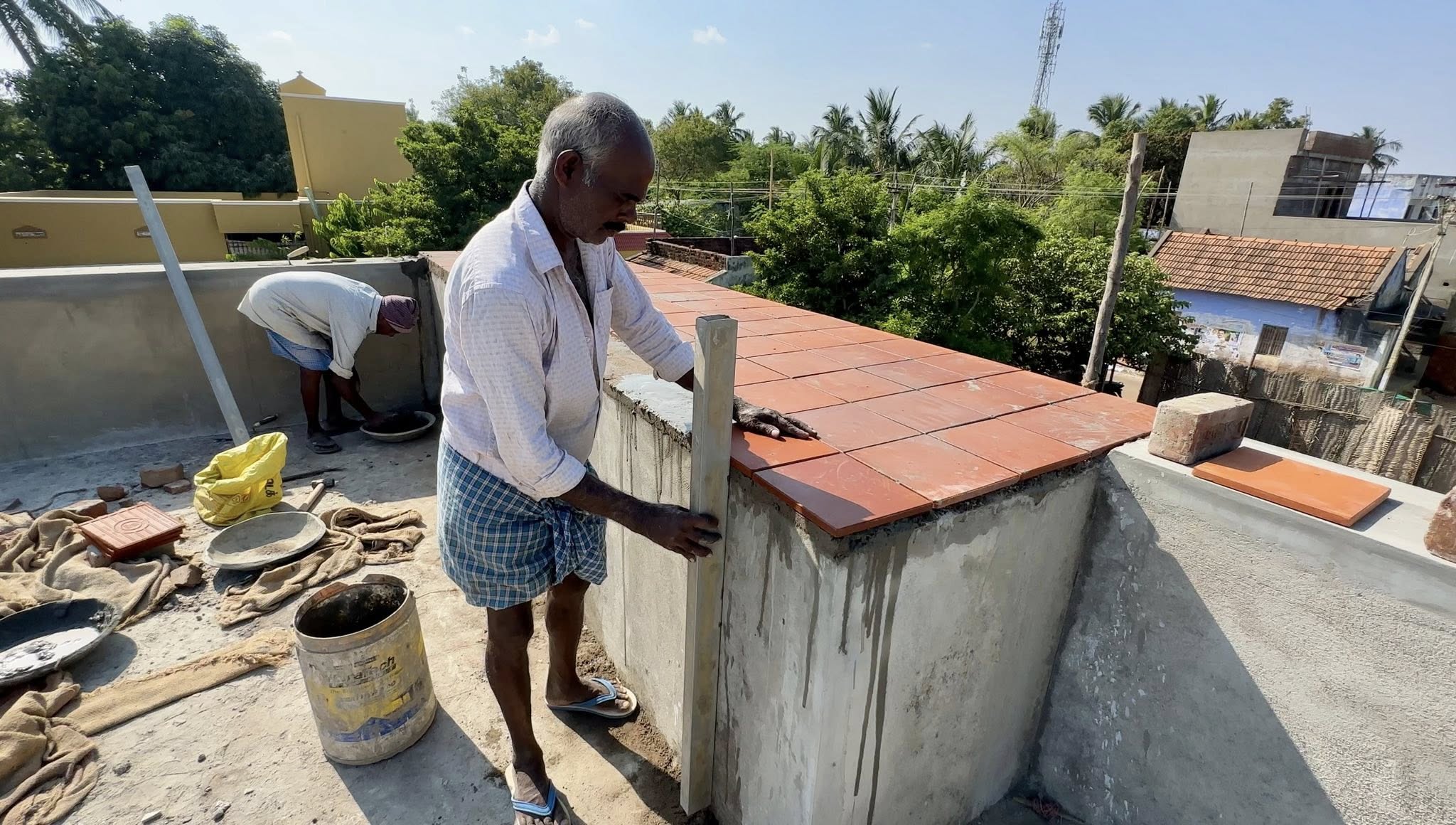
Cool roofs use reflective coatings, light-colored materials, and passive cooling techniques to reduce heat absorption. In schools, this means applying reflective paints or tiles on rooftops, creating shaded areas with trees and pergolas, integrating rooftop solar panels for dual benefits: cooling and renewable energy, and combining with rainwater harvesting and waste management to make campuses holistic climate labs. This approach not only lowers temperatures but also cuts electricity bills by reducing fan and AC usage. Early studies show that schools with cool roofs and solar panels save 3,500+ kWh annually, translating to about ₹26,000 per school per year. Beyond financial savings, the initiative reduces carbon emissions and builds resilience against extreme weather.

The initiative is currently focused on 300 Green Schools across Tamil Nadu, covering all 38 districts. These schools serve as demonstration sites for climate action, with plans to expand further. The program is designed to be scalable, potentially reaching thousands of schools and public buildings in the future.
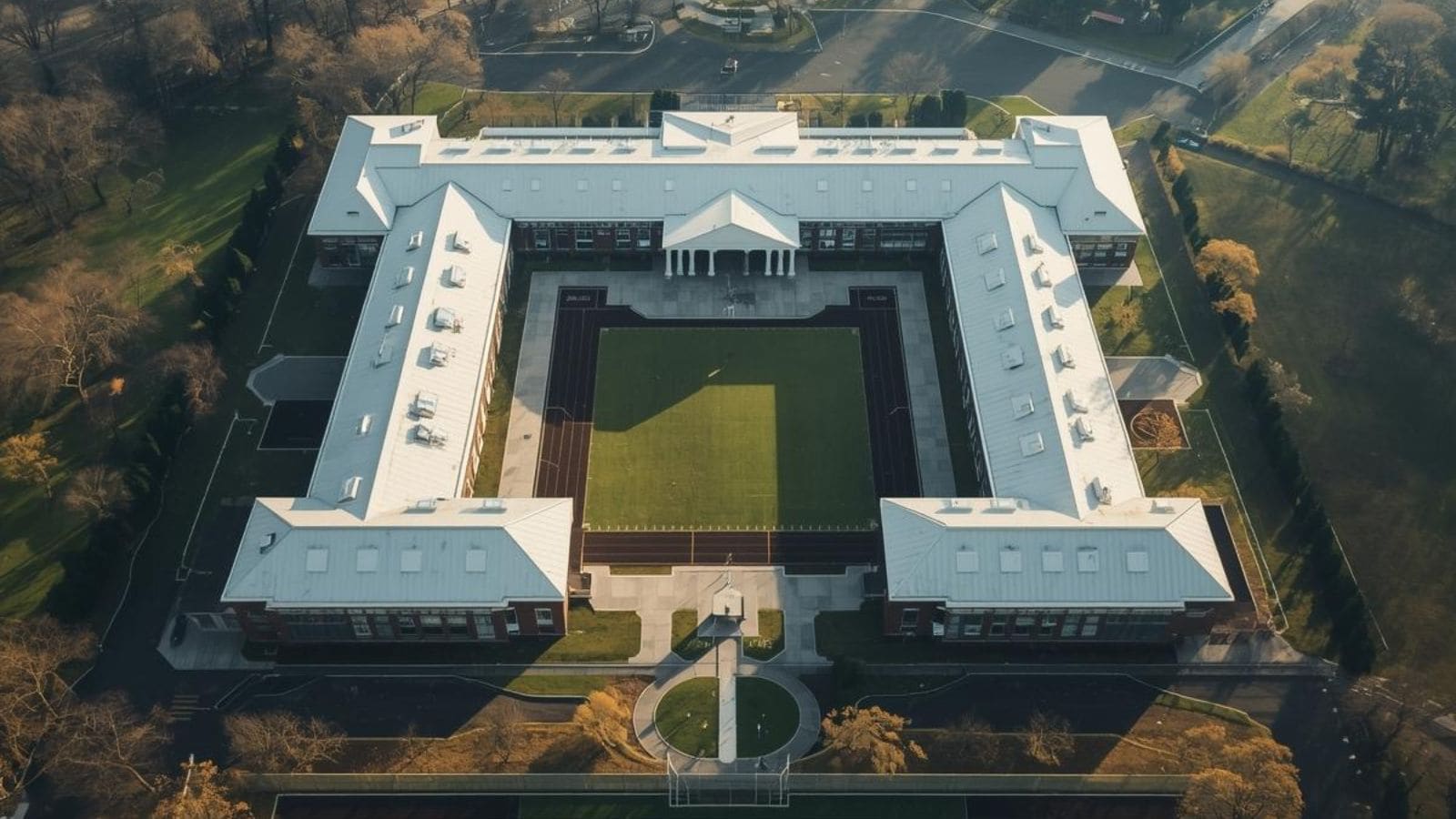
The primary beneficiaries are students and teachers, who gain cooler classrooms and improved learning environments. Additionally, the initiative trains 4,000 teachers as “Climate Ambassadors”, equipping them to spread awareness and lead sustainability projects. Communities also benefit from reduced energy demand and enhanced resilience against heat waves.
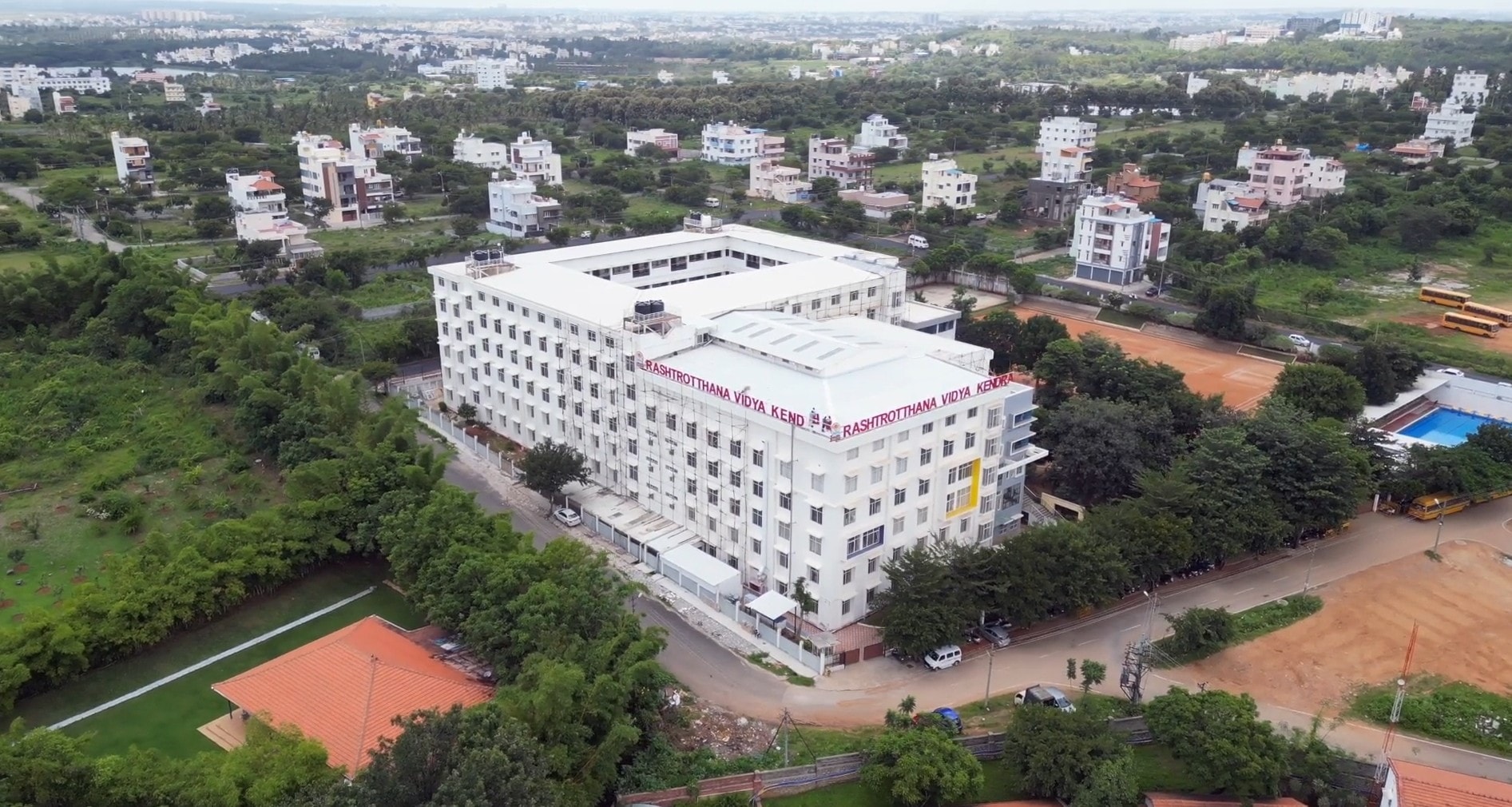
The Cool Roof Initiative is not just about infrastructure, it’s tied to climate literacy. Students participate in nature camps, climate quizzes, and hands-on sustainability projects, making them active participants in climate action. This dual focus ensures that young people understand both the science and the solutions to climate change.
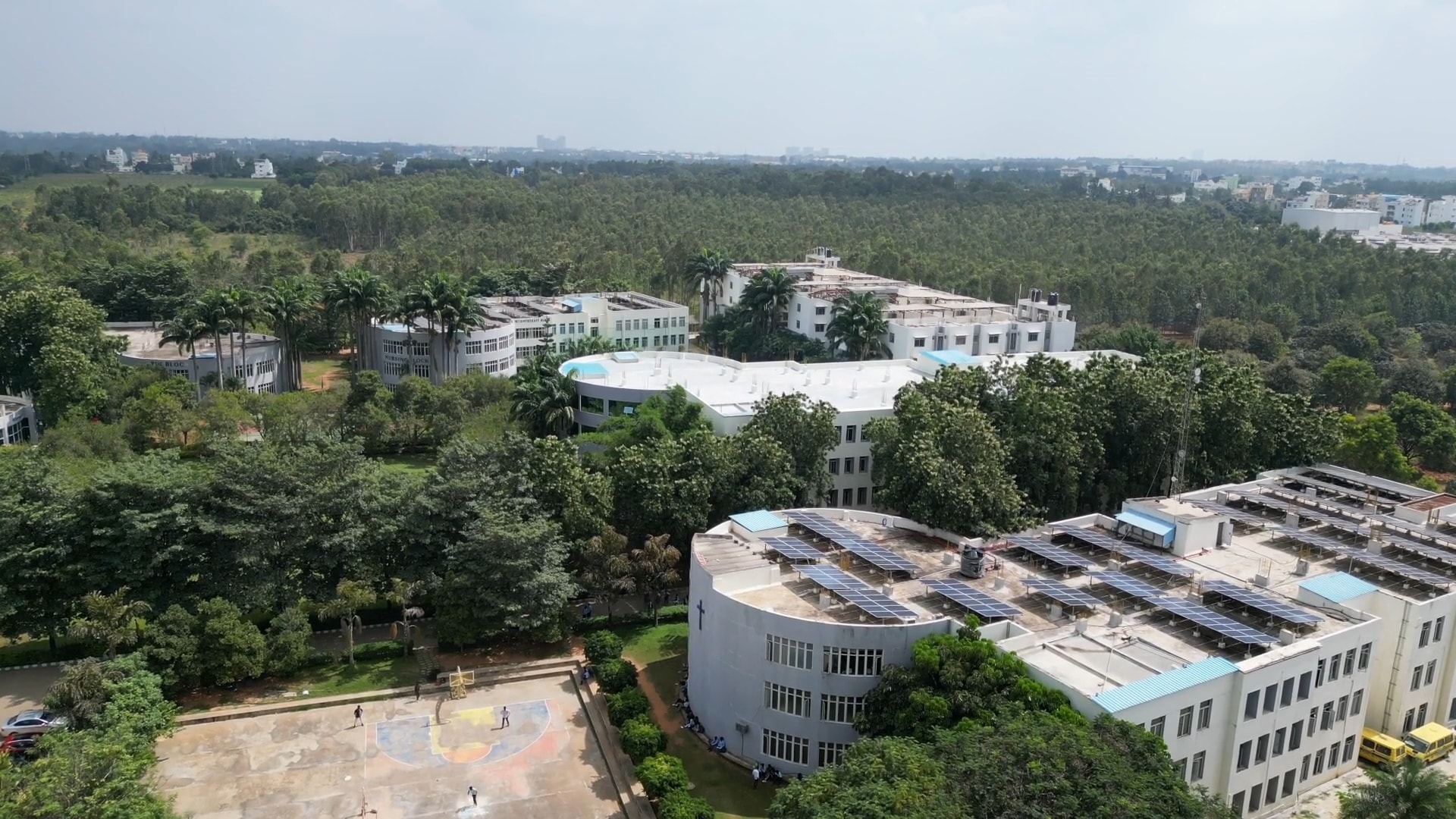
By embedding cool roofs into the Tamil Nadu Climate Change Mission, the state has positioned itself as a leader in climate adaptation. It demonstrates how local governments can integrate education, infrastructure, and disaster management into a single program, setting a model for other states in India. Tamil Nadu’s Cool Roof Initiative is expected to expand beyond schools to hospitals, public offices, and community centers. With climate change intensifying, such measures will be critical for safeguarding vulnerable populations. The initiative represents a forward-looking blend of policy, science, and social responsibility, ensuring that future generations inherit both knowledge and resilience.
Source link
[ad_3]

