
Stock Market Investments: Regulators and banks generally prohibit using credit to buy shares or mutual funds. This prevents investors from leveraging borrowed money for volatile market bets, which could lead to a catastrophic debt spiral if the chosen stocks suddenly plummet in value.
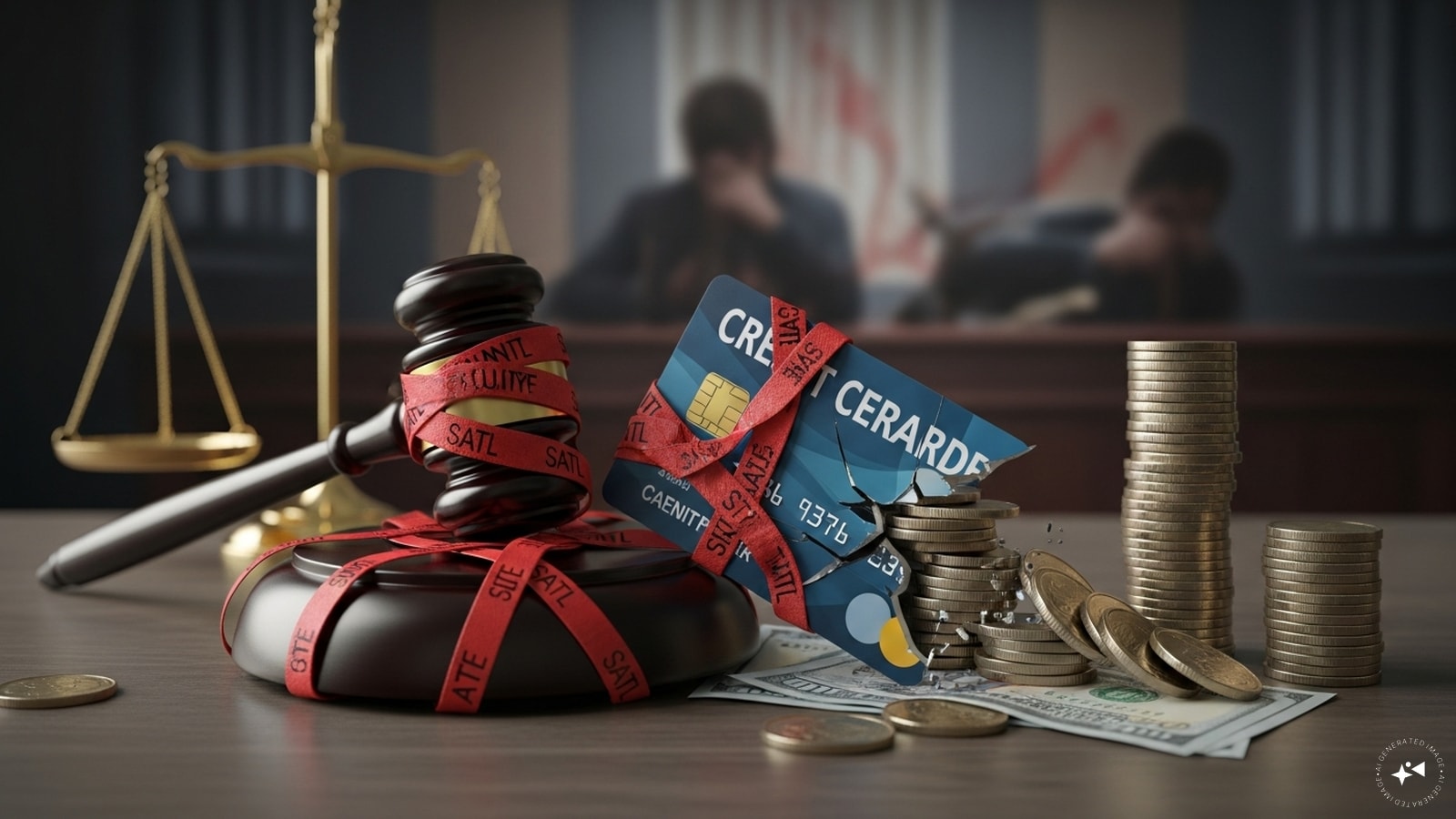
Court-Ordered Payments: Whether it is child support, alimony, or legal fines, government systems rarely accept credit cards. These payments represent personal legal obligations that must be settled using liquid assets, ensuring the individual is paying from their own wealth, not a bank’s.

Money Orders: Buying a money order is essentially swapping one form of currency for another. Since this allows a user to bypass “cash withdrawal” limits and interest rates, banks block credit cards from these transactions to prevent “manufactured spending” and money laundering.
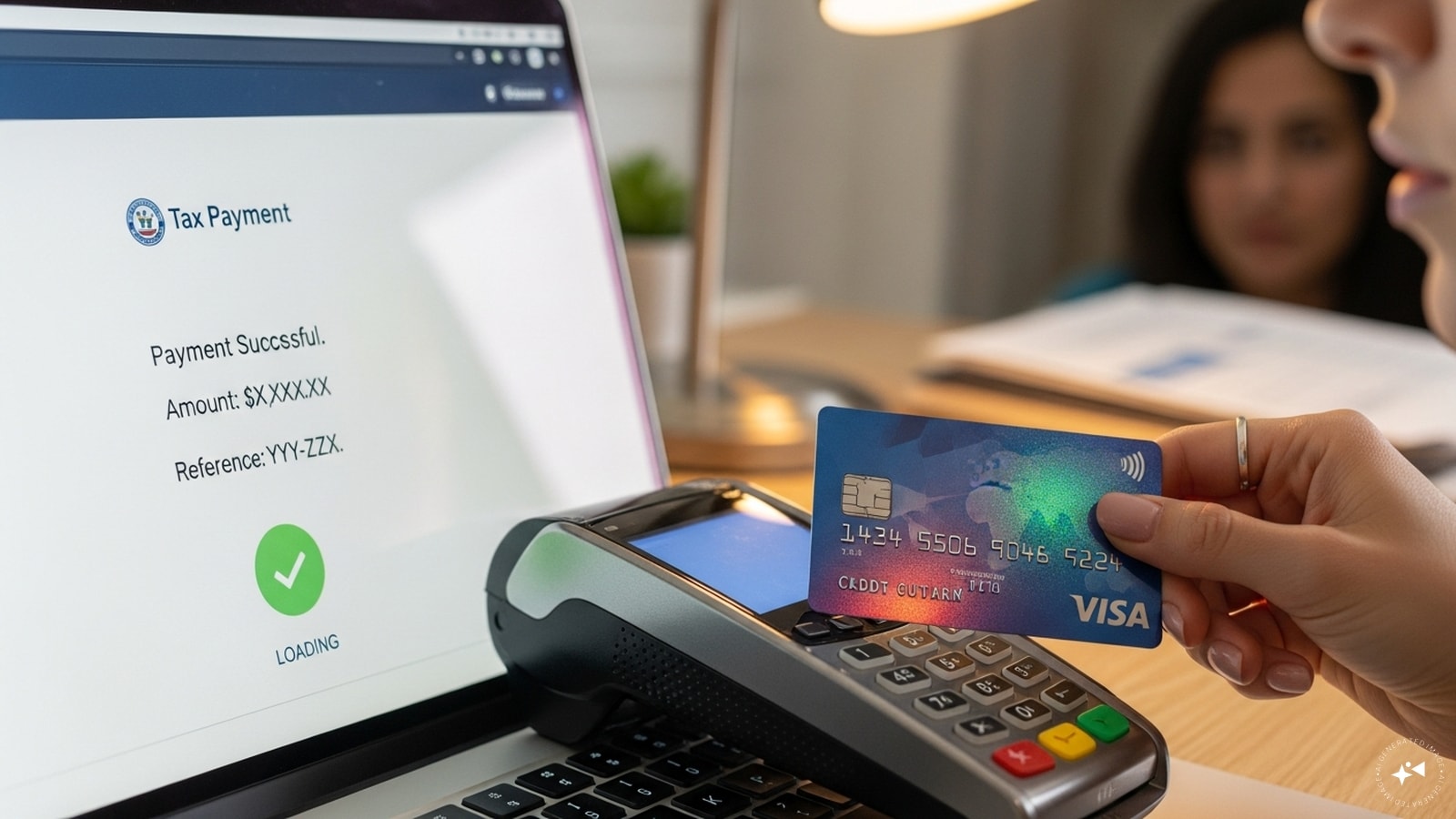
Taxes: While many tax authorities now allow credit cards, they often do so through third-party processors that charge “convenience fees.” In many jurisdictions, direct payments for specific local levies or old tax debts must still be made via bank transfer.
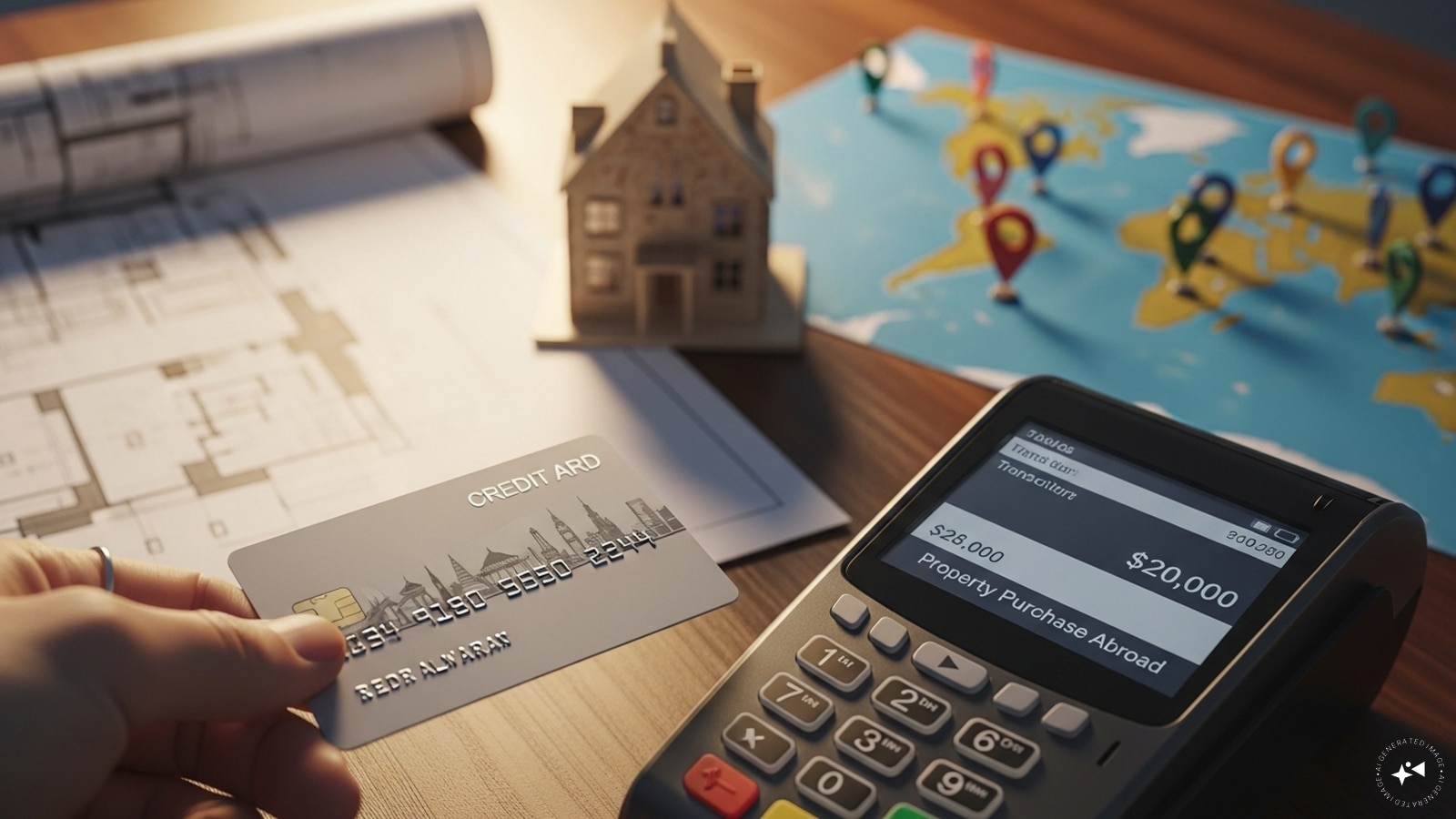
Overseas Property: Under regulations like India’s FEMA, using a credit card to buy real estate abroad is strictly prohibited. Credit cards are for “current account” transactions like travel or shopping; using them for “capital account” investments like land can trigger legal investigations.

Medical Bills: Medical debt is stressful, but putting it on a credit card strips away your power to negotiate. Most hospitals offer interest-free payment plans or financial assistance programs. Once you move that debt to a credit card, you lose that leverage and start paying high interest.
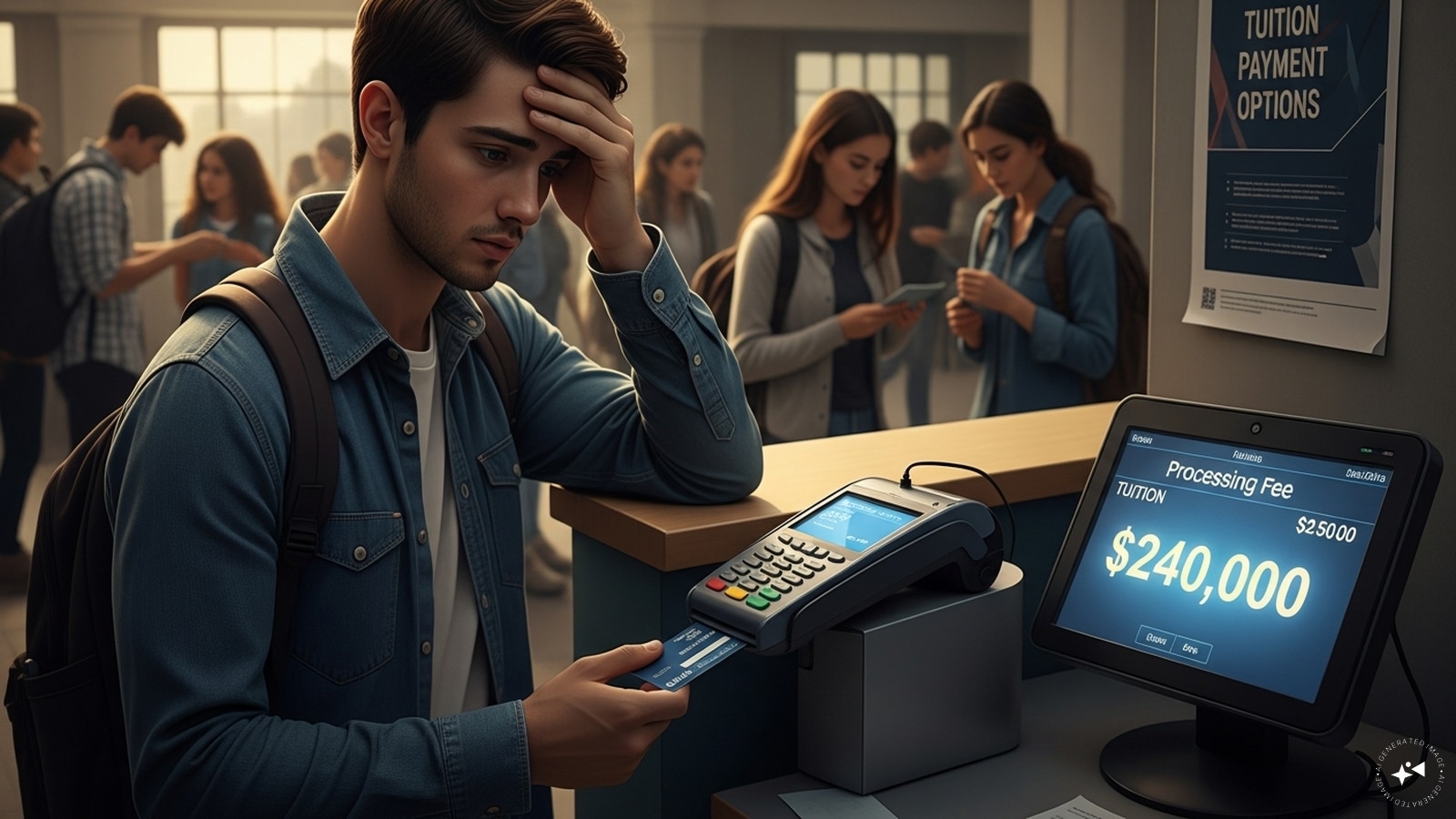
College Tuition: Similar to medical bills, student loans typically offer much lower interest rates and better repayment protections like deferment or forbearance than credit cards. Paying tuition with a card often incurs a massive processing fee from the school as well.

Mortgage: Most lenders don’t accept credit cards directly. You’d have to use a third-party service that charges high fees, or a “convenience check” from your bank which is often treated as a cash advance. It’s almost always cheaper to pay these from a checking account.
Source link
[ad_3]

