
kathmandu6 minutes ago
- copy link
A big scam related to Mount Everest has come to light in Nepal. According to the report of Kathmandu Post, some Sherpas and trekking people together were running an insurance scam worth crores through expensive helicopter rescue by mixing baking soda or a special medicine in the food and making the tourists sick.
According to the report, Nepal Police has registered a case against 32 people in this matter. These include trekking company owners, helicopter operators and people associated with the hospital. They have been accused of organized crime and fraud.
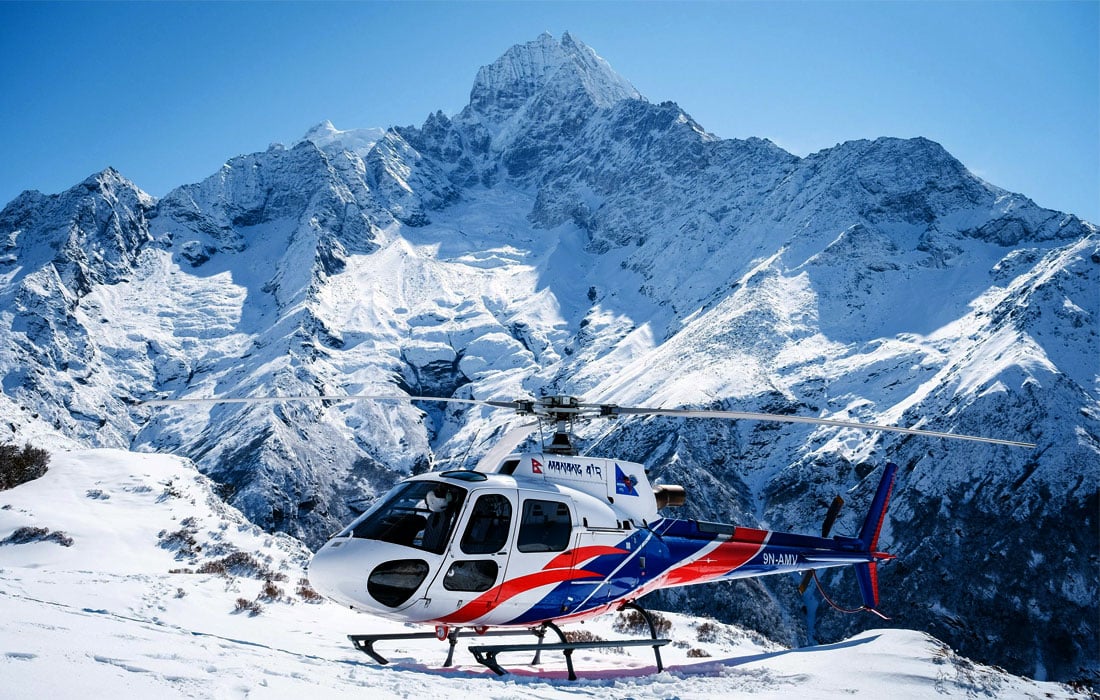
Helicopter rescue is very expensive in the hilly areas of Nepal. It costs 2.5 lakh to 6 lakh Indian rupees.
Recovery of money from international insurance companies
In the high mountainous areas of Nepal, rescue by helicopter is sometimes a necessary way to save people’s lives. There is less oxygen and the weather can turn bad suddenly, so it is important to get sick or stranded trekkers to Kathmandu quickly.
But this system is also being taken advantage of. Due to haste, lack of clear information and proper monitoring, a big insurance scam is also going on here.
Investigation revealed that some Sherpas, in collaboration with trekking agencies, mix baking soda in the food of tourists. This caused severe stomach pain, vomiting and other problems to the tourists, which resembled altitude sickness.
In some cases, people were given excessive fluids mixed with Diamox (a drug prescribed for altitude sickness) to produce symptoms that appeared serious.
When tourists fall ill, they are forced to arrange expensive helicopter rescues. After this, money is recovered from international insurance companies by making fake medical reports and flight documents.
Companies like Nepal Charter Service, Everest Experience and Assistance and Mountain Rescue are said to be mainly involved in this scam.

If a person becomes ill or injured at altitude, a helicopter can quickly transport him to a hospital. This is the biggest support in the mountains.
Difficult for insurance companies to find out the truth
According to the report, during the rescue, many people are boarded in the same helicopter, but the entire bill is sent to the insurance company separately in the name of each person, as if a separate flight was done for each person. For example, a flight costing $4000 results in a claim of $12000.
For this, fake flight records are created. Fake papers are prepared even in hospitals. The report is made using the digital signature of the senior doctor, even though that doctor is not involved in the case. Many times the doctors themselves are not aware that papers have been made in their names.
In some cases, fake records were made to show tourists being admitted to the hospital, while in reality they were sitting in the hospital canteen and drinking beer. It is very difficult for insurance companies based abroad to investigate what actually happened in the distant mountains.
6 officers of 3 big companies arrested
In this entire game, Sherpas, helicopter companies, trekking agencies and hospitals used to share the money together. The investigation began in January, when six executives from three major rescue companies were arrested.
- About $19.69 million (about Rs 188 crore) was defrauded through this scam.
- A company is accused of showing 171 fake rescues out of 1,248 and taking more than $10 million.
- The second company earned about $8 million by showing 75 fake rescues out of 471.
- The third company is accused of taking more than $1 million through 71 fake claims.
- The government side has demanded a total fine of 11.3 million dollars (about Rs 107 crore). Considering this matter as serious, the court has given it priority.
The matter came to light for the first time in 2018
This fake rescue scam is not new. It was revealed for the first time in 2018. After this the government conducted an investigation, prepared a 700-page report and announced reforms. A long investigation report on this was also published in 2019.
After this, the government changed the rules and removed the middlemen and made the tour operator responsible, but last year when the Central Investigation Bureau (CIB) of Nepal Police started the investigation again, it was found that the scam did not stop but had increased further.
Nepal Police officer Manoj Kumar KC said that when crime is not acted upon, it keeps on increasing, and that is why this insurance scam also spread.
The livelihood of more than 10 lakh people is linked to tourism in Nepal. Due to increasing scams in recent times, many international insurance companies have stopped covering tourists trekking in Nepal.

Source link
[ad_3]

