
NEW DELHI NEWS: The alleged sexual assault of a 17-year-old girl at Aastha Kunj Park near Kalkaji Mandir has highlighted how criminals can exploit public trust in law enforcement to intimidate victims. According to Delhi Police, three men allegedly approached the teenager and her 17-year-old male friend on Monday evening, claiming to be policemen. They reportedly questioned the pair, used legal terminology and threatened them with police action before allegedly separating the girl from her friend and sexually assaulting her. The three accused, identified by police as Asif, Hemant and Mukesh, were arrested on Tuesday following an investigation that involved CCTV footage, witness descriptions and technical inputs, according to police statements reported by news organisations.
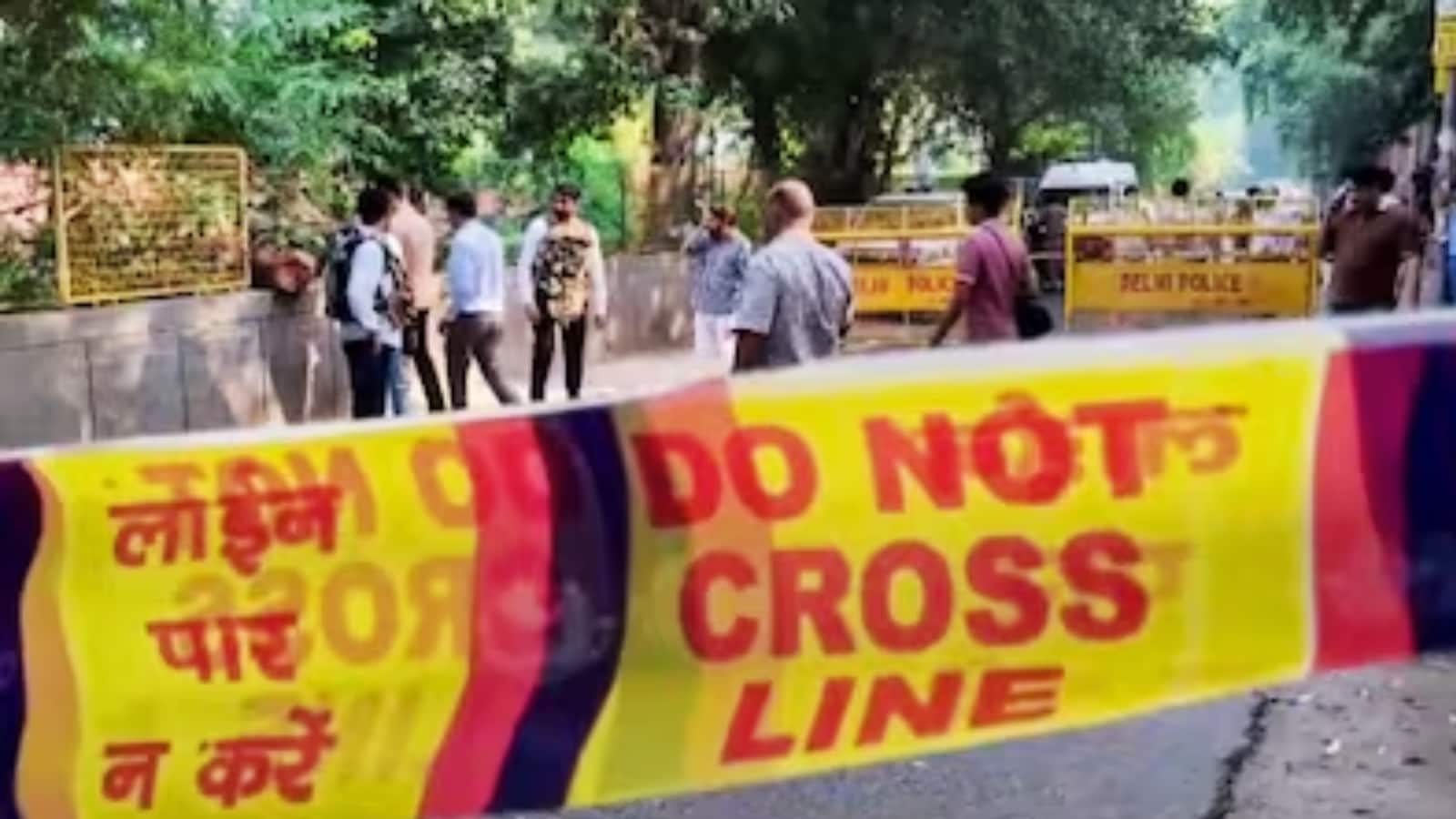
The incident took place after the teenager and her friend visited Kalkaji Mandir to offer prayers. They subsequently went to Aastha Kunj Park, where the three men allegedly confronted them. Police said the accused presented themselves as law enforcement personnel and attempted to frighten the teenagers by suggesting that they had done something wrong. Details recalled by the teenager reportedly became important during the investigation. According to a report in The Indian Expressthe suspects included a heavily built man with stubble wearing a checked shirt and jeans, another man dressed in a brown T-shirt and lower, and a third wearing a black T-shirt and lower. The teenager also reportedly recalled the way the men addressed one another, including the use of the term ‘janab’. Investigators used the available descriptions alongside police records and CCTV footage to identify the suspects, according to reports.
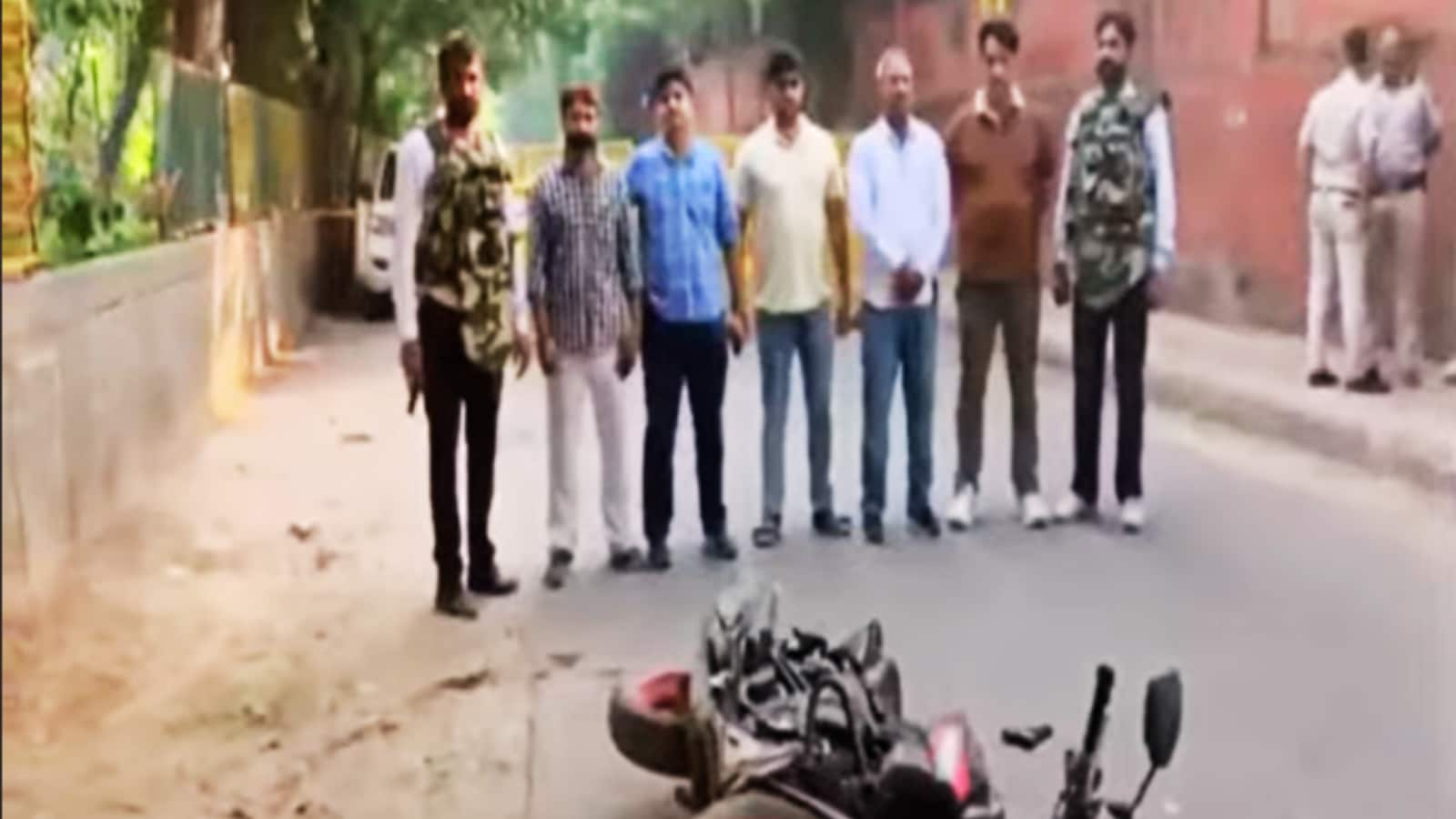
One of the accused, Asif, was traced to the Amar Colony area. Police said he allegedly opened fire when officers attempted to apprehend him. According to the police account, three rounds were fired, with one bullet striking Head Constable Rajesh’s bulletproof jacket. Police said officers returned fire in self-defence, injuring Asif in the right leg. A firearm was subsequently recovered, officers said. The investigation subsequently led to the arrest of Hemant and Mukesh, who police identified as brothers.
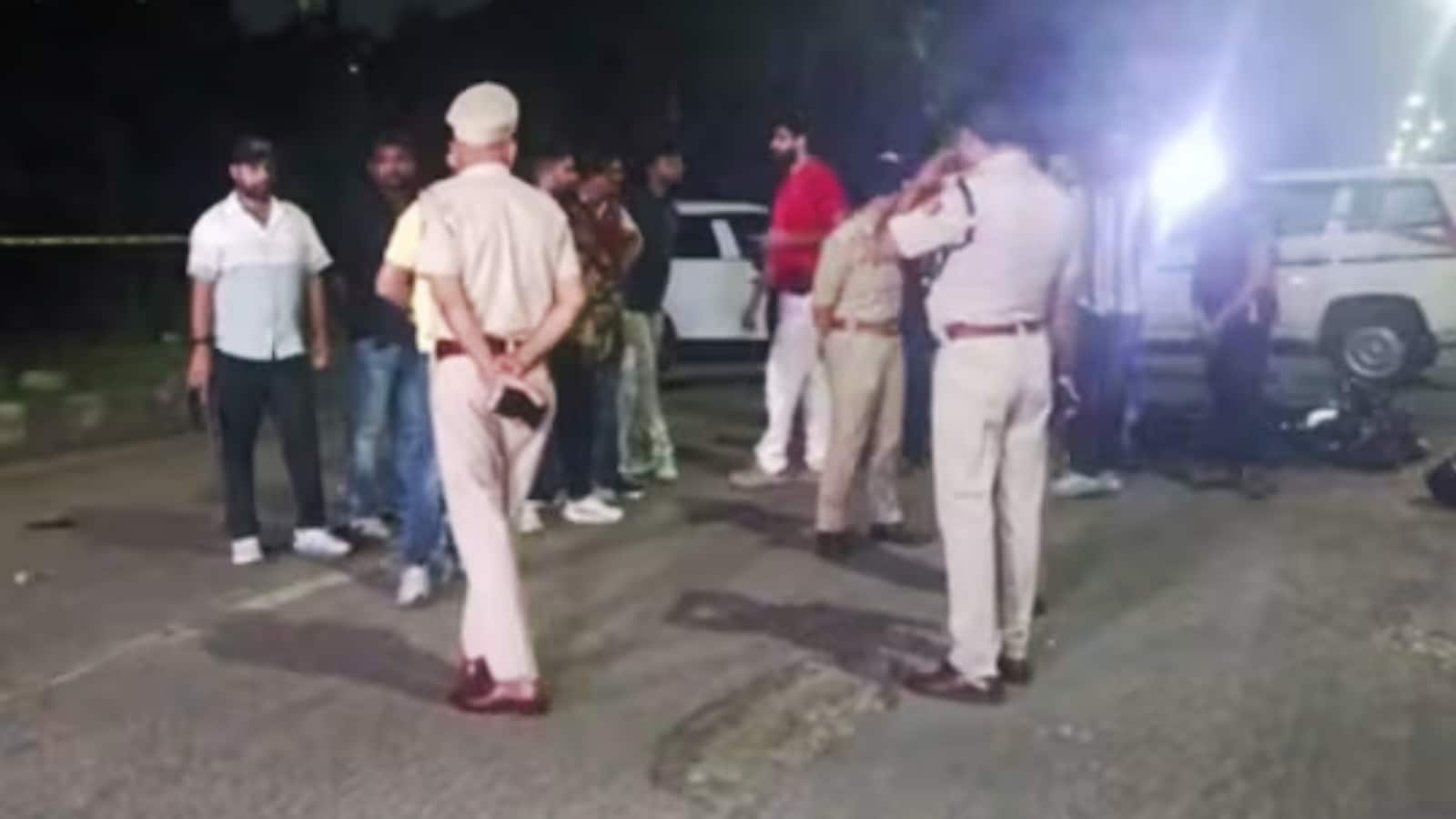
The incident raises concerns about the misuse of police identity and legal language to exert control over members of the public. However, the appearance, manner of speaking or use of formal language alone cannot establish whether someone is a genuine police officer. Verification should rely on official identification and independent confirmation, particularly when an individual attempts to move someone to a secluded location or demands compliance through threats. The following safety gallery offers practical steps for verifying police identity without placing individuals at additional risk.
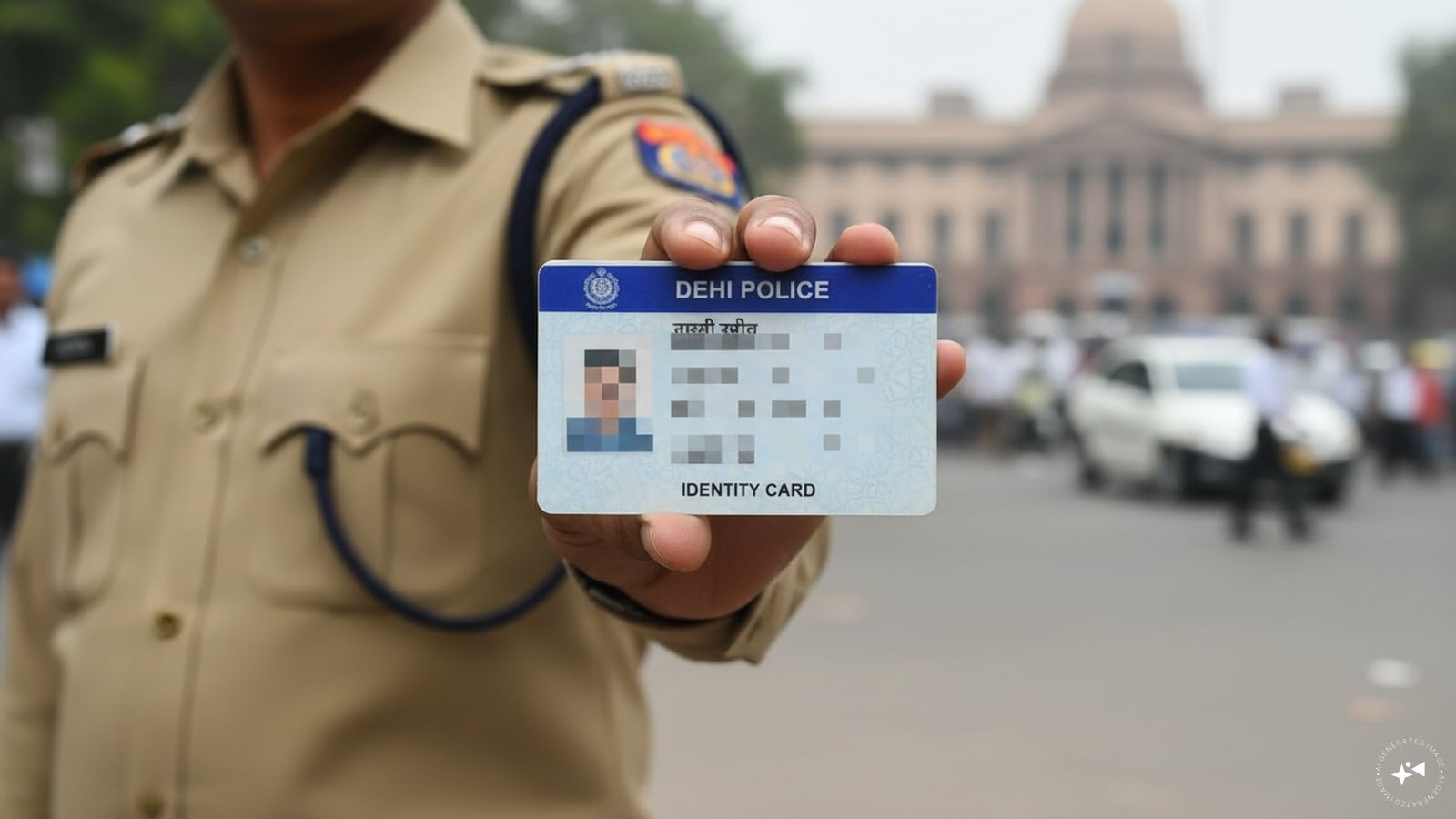
Real Or Fake Cop? 1. Ask For Official Police Identification: A person claiming to be a police officer should be asked to identify themselves. Request to see their official identity card and note their name, rank and unit. Calmly ask the officer for their name, rank and police station, and request to see their official identification. Remember that a badge, uniform or confident manner alone does not establish someone’s authenticity. If you have doubts, verify their details through an independent official channel. Identification procedures may vary depending on the circumstances. Asking for identification is a reasonable safety measure, but avoid physically confronting or attempting to seize an officer’s ID. (AI Generated)
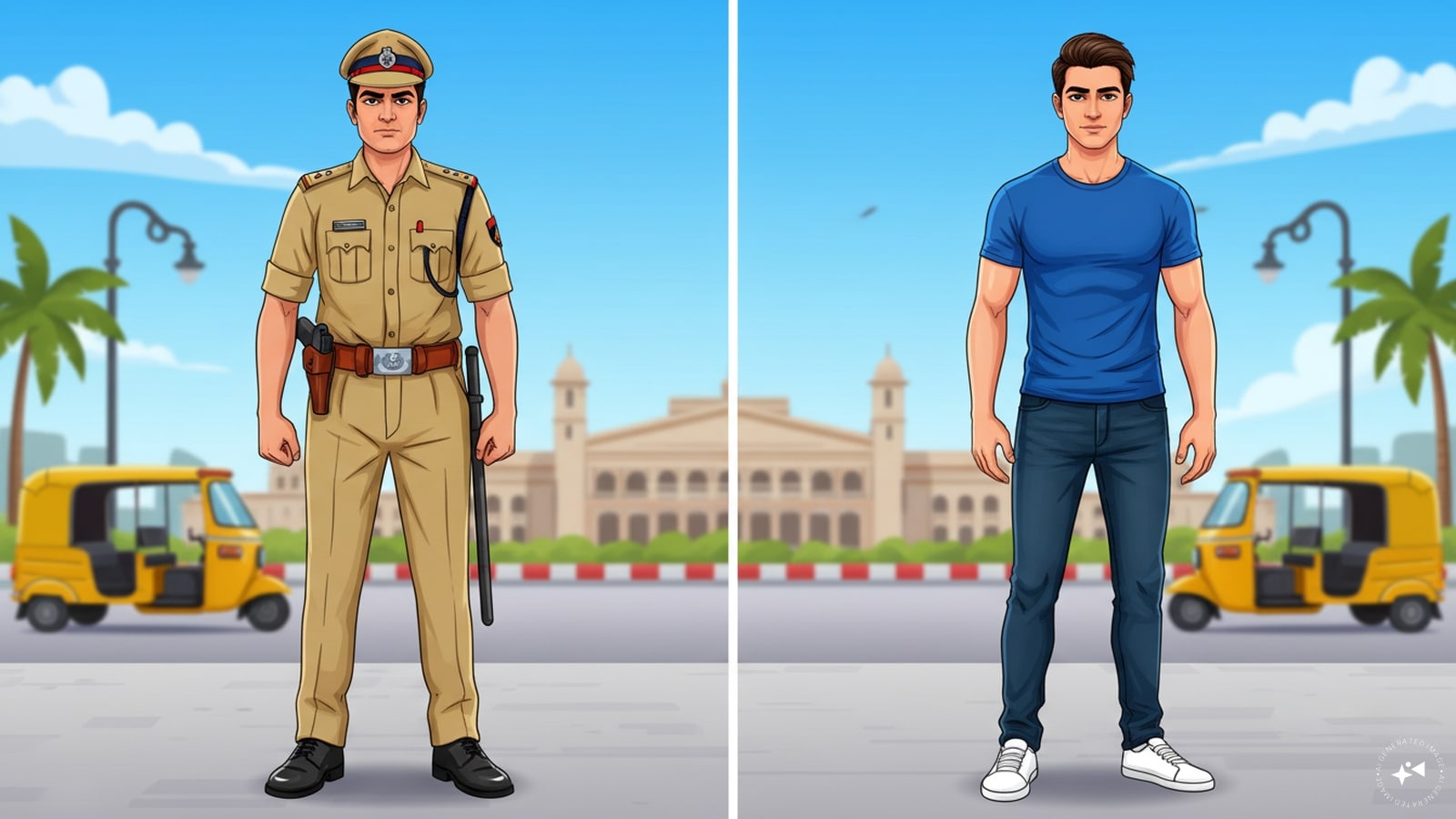
2. Uniforms And Badges Are Not Enough: Check whether the person claiming to be a police officer clearly identifies their police station or unit and whether their identity can be independently confirmed through official channels. Be particularly cautious if they use threats, refuse reasonable requests for verification or attempt to move you away from a public area. Avoid judging authenticity based solely on appearance, clothing, stubble or body type. (AI Generated)

3. Be Cautious When Someone Uses Threats Or Legal Jargon: Impersonators may use complicated legal language or formal forms of address to create fear. The use of terms such as ‘janab’ does not establish that someone is a police officer. Be alert if someone threatens immediate arrest without clearly explaining why, insists that you must follow their instructions without allowing any verification, pressures you to hand over your phone, money or personal documents, or tries to intimidate you by referring to alleged legal violations. Stay calm and ask for the officer’s identity, station and reason for the interaction. If you feel threatened, prioritise reaching safety rather than arguing over legal claims. (AI Generated)

4. Verify Through 112 Or An Official Police Channel: If someone claiming to be a police officer approaches you and you have doubts, seek independent verification through an official channel. If you face an immediate threat or require emergency assistance, call 112. You can also contact the relevant police station using an independently obtained official number, rather than one provided by the person who approached you. Tell the operator where you are and explain that someone is claiming to be a police officer, and ask whether their identity or the police operation can be confirmed. Do not assume that a person is genuine simply because they tell you not to call the police. Equally, do not deliberately provoke a confrontation to test their identity. (AI Generated)

5. Do Not Allow Yourself To Be Isolated Through Threats: In the Kalkaji case, police said the accused separated the teenager from her friend before the alleged assault. Isolation can increase vulnerability when someone is using threats or coercion. If you feel unsafe and if you can do so safely, move towards other people, security personnel or a staffed location and let someone you trust know where you are. Avoid being taken to an unfamiliar or secluded place without understanding why you are being moved. If someone attempts to restrain you or threatens violence, prioritise your immediate safety and seek emergency assistance. If you cannot safely leave or make a call, do not risk further harm by insisting on verification. Your immediate safety comes first. (AI Generated)

6. Know The Difference Between An Official Inquiry And Intimidation: Genuine police procedures involve legal safeguards, and the powers of officers depend on the circumstances and applicable law. Always keep in mind that a claim of police authority does not give someone unlimited power over you. Ask why you are being questioned and which police station or unit the officer belongs to, and request official identification. If you are detained or arrested, ask for the legal grounds and relevant information. Depending on the circumstances and applicable procedure, you may also seek legal assistance and inform a trusted person. Important Legal Clarification: The rule concerning the arrest of women after sunset and before sunrise under Section 43(5) of the Bharatiya Nagarik Suraksha Sanhita (BNSS) has exceptions and specific procedural requirements. It should not be presented as a blanket guarantee that no woman can ever be arrested at night. (AI Generated)

7. Never Blame Yourself If Someone Impersonates Police: Criminals may use fear, deception and threats to control victims. Responsibility for sexual assault lies with the perpetrator, not the person who was targeted. If an assault occurs, move to a safe location if possible and contact emergency services on 112. Seek medical attention and support from someone you trust, and report the incident to the police. When the victim is a child, appropriate child-protection services and legal support should also be contacted. For Sexual Assault survivors, avoid blaming, questioning or publicly identifying the survivor. Offer support, respect privacy and allow the person to decide how they wish to seek help, with appropriate assistance. (AI Generated)
Source link
[ad_3]

